Boureima Amadou
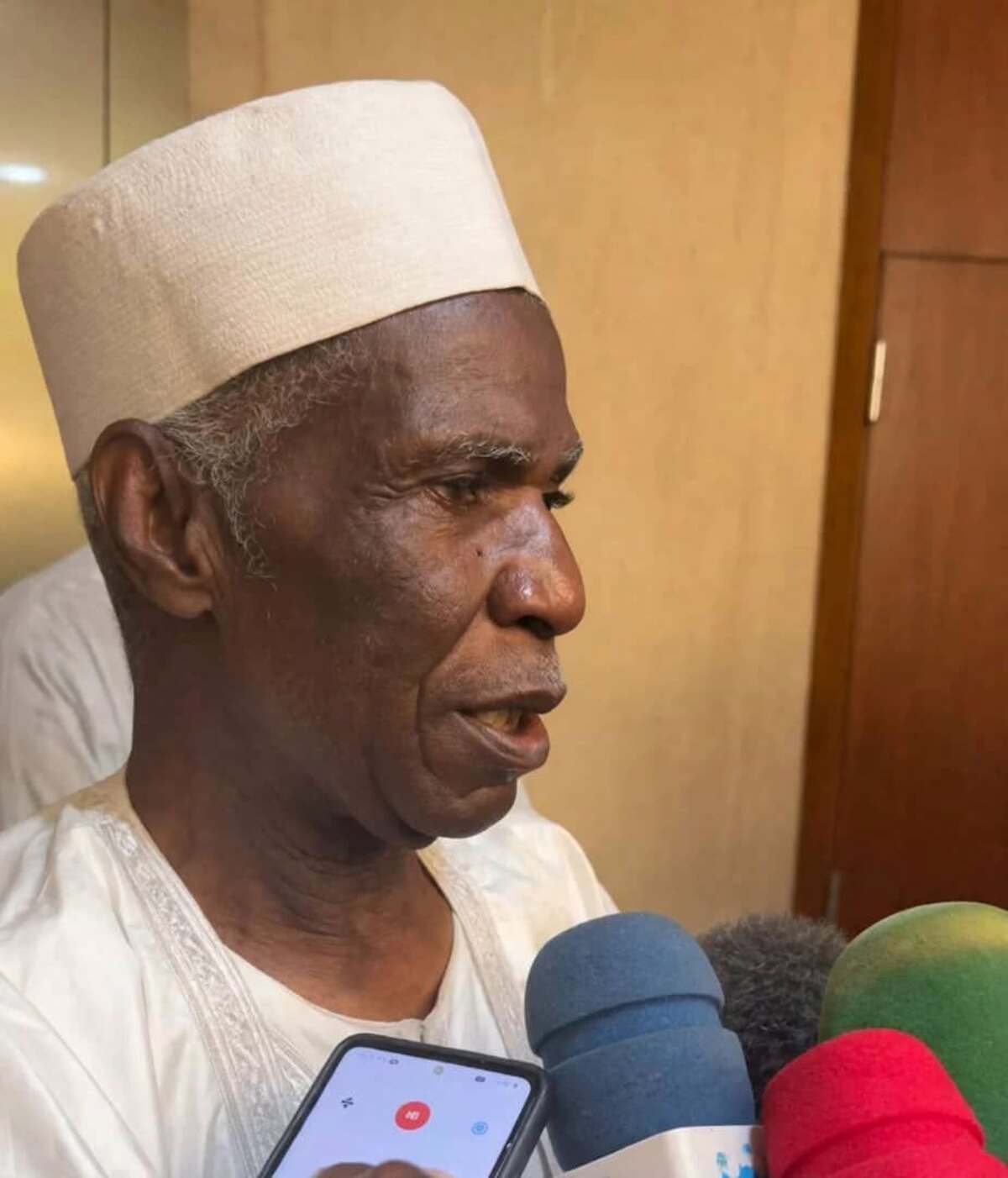
The death of Hamadou Moustapha on November 11, 2026, at the age of 81 in Yaoundé ends a remarkable political journey that spanned generations in Cameroon. A long illness concluded a career defined by pivotal moments in the nation’s history, from the presidency of Ahmadou Ahidjo to the era of Paul Biya. His life story reflects the evolving power structures of a nation in transition.
The early years: from civil service to government
Born on May 11, 1945, in Maroua, Diamaré, Hamadou Moustapha began his professional life as a civil administrator. His entry into public service placed him at the heart of the state during a transformative period. By 1972, he was already serving in senior roles within the presidential administration. His political ascent continued when Ahmadou Ahidjo appointed him Vice-Minister of Finance on June 30, 1975. Four years later, he assumed the role of Minister of Urban Planning and Housing, solidifying his position among the country’s elite decision-makers.
A career shaped by shifting political winds
Moustapha’s tenure in government coincided with a critical phase in Cameroon’s history: the transition of presidential power from Ahidjo to Biya in November 1982. His role in the executive came to an abrupt end in June 1983 due to deepening divisions within the political leadership. For nearly a decade, he stepped back from public office, only to return in a dramatically altered political climate.
From opposition to alliance: a defining political shift
The introduction of multiparty democracy in the early 1990s provided Moustapha with a new platform. As Vice-President of the National Union for Democracy and Progress (UNDP), he won a seat as a deputy in the March 1, 1992, parliamentary elections. The UNDP stood as a major opposition force against the ruling Cameroon People’s Democratic Movement (CPDM), but Moustapha’s trajectory took a decisive turn when he joined the government as Vice-Prime Minister in charge of Urban Planning and Housing on November 27, 1992. This controversial move led to his expulsion from the UNDP alongside other prominent figures, including Issa Tchiroma Bakary, in January 1995.
Undeterred, Moustapha founded the National Alliance for Democracy and Progress (ANDP), which aligned closely with President Biya’s policies. His shift from opposition to collaboration highlighted a recurring pattern in Cameroon’s political system—the ability of the ruling establishment to integrate leaders from rival factions, often reshaping the balance of power in the process.
Legacy forged through adaptability and endurance
After leaving government in 1997, Moustapha returned once more to public service in December 2004 as a minister charged with special missions. His career, spanning decades across multiple regimes, underscores a legacy built on adaptability and strategic alliances rather than constant media visibility. From Ahidjo’s centralized rule to Biya’s prolonged presidency, from the UNDP’s opposition to the ANDP’s alignment with the CPDM, his political journey encapsulates the continuities, ruptures, and compromises that have shaped modern Cameroon.
Hamadou Moustapha’s death at 81 closes a chapter in Cameroon’s political narrative, leaving behind a legacy of resilience and recalibration within one of Africa’s most enduring systems of governance.


 Mariama Hamani