Mariama Hamani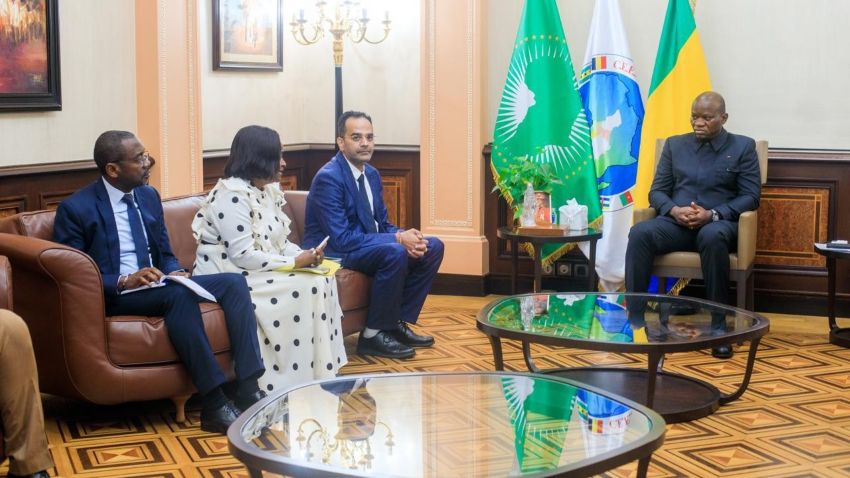
Gabon tackles drug shortages under President Oligui Nguema’s leadership
Libreville, June 29, 2026 — In Gabon, ensuring reliable access to essential medicines has emerged as a defining challenge for the nation’s healthcare system. Responding to mounting public pressure, President Brice Clotaire Oligui Nguema has elevated this issue to the top of the national agenda, signaling a decisive shift in how the country manages its pharmaceutical supply.
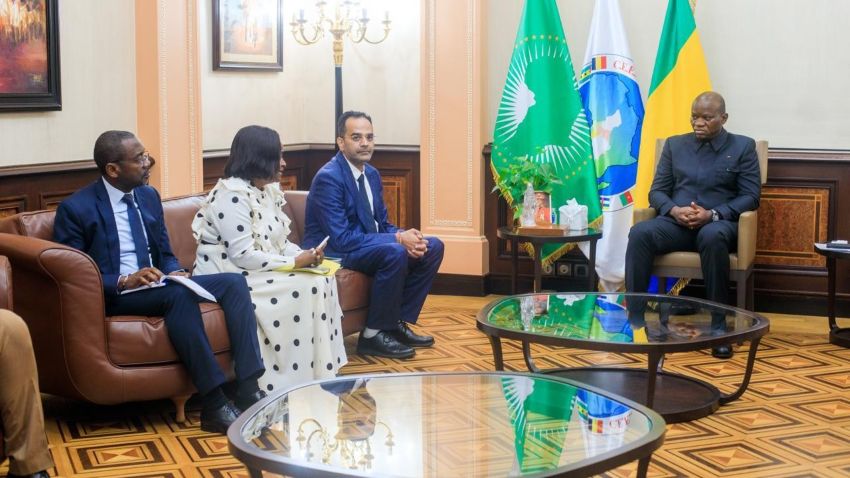
The Head of State convened a high-level meeting with Health Minister Elza Nkana Ayo épouse Bivigou and senior officials from the National Pharmaceutical Office. The message delivered was unequivocal: medication availability can no longer depend on unpredictable distribution networks or administrative shortcomings.
This strategic intervention comes at a time when clinics, health centers, and hospitals across Gabon are grappling with persistent supply shortages. These disruptions don’t just inconvenience patients—they erode public trust in the entire healthcare framework.
A bold presidential directive reshapes healthcare priorities
During the discussion, President Oligui Nguema mandated immediate action to guarantee consistent drug distribution nationwide. This directive reflects a deeper strategic vision. With Gabon’s vast geography often complicating pharmaceutical logistics, securing an efficient supply chain is now seen as a cornerstone of public health sovereignty.
The presidential guidance extends beyond mere inventory management. It calls for proactive measures: anticipating facility needs, preventing shortages before they occur, and building resilient distribution mechanisms. This forward-thinking approach contrasts sharply with crisis-driven responses common in many African nations. Gabon is embracing prevention and systematic planning to safeguard healthcare access.
This initiative is part of a broader modernization drive within Gabon’s public sector. Reliable medication access isn’t just a health issue—it’s a social stability concern, a measure of institutional credibility, and a test of the state’s capacity to fulfill its core responsibilities.
Digital transformation accelerates healthcare reform
The meeting also underscored Gabon’s commitment to digital health innovation. President Oligui Nguema emphasized accelerating the digitalization of medical facilities, a process already underway with unified networks connecting major Libreville hospitals and regional health centers.
This digital leap serves multiple purposes: enhancing real-time stock tracking, streamlining procurement requests, improving inter-facility coordination, and securing patient data exchange. In leading healthcare systems worldwide, digital tools have become indispensable for operational efficiency. For Gabon, this transition offers a pathway to elevate care standards and optimize limited resources.
Healthcare reform enters a decisive phase
The presidential audience signals a strong political will to prioritize health as a national imperative. It arrives at a moment when citizens demand tangible, rapid improvements in public services.
The stakes transcend pharmaceutical logistics. The ultimate goal is to build a healthcare system that meets growing demands while aligning with international best practices. Reliable medication supply is the foundation upon which other reforms—hospital upgrades, infrastructure development, and prevention programs—must be built. Without it, no progress can be sustained.
By demanding swift solutions and accelerating digital integration, President Oligui Nguema has placed healthcare stakeholders on notice. The task ahead is monumental, but the goal is clear: ensure every Gabonese can access life-saving treatments without interruption. In this mission, medication availability becomes more than a logistical challenge—it becomes the litmus test of the state’s ability to protect its people and deliver modern, patient-centered healthcare.

 Boureima Amadou