
 Mariama Hamani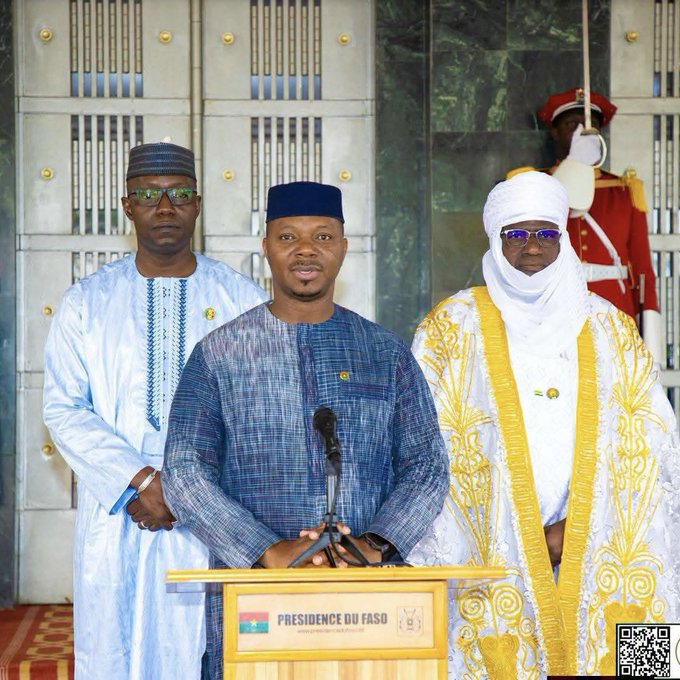
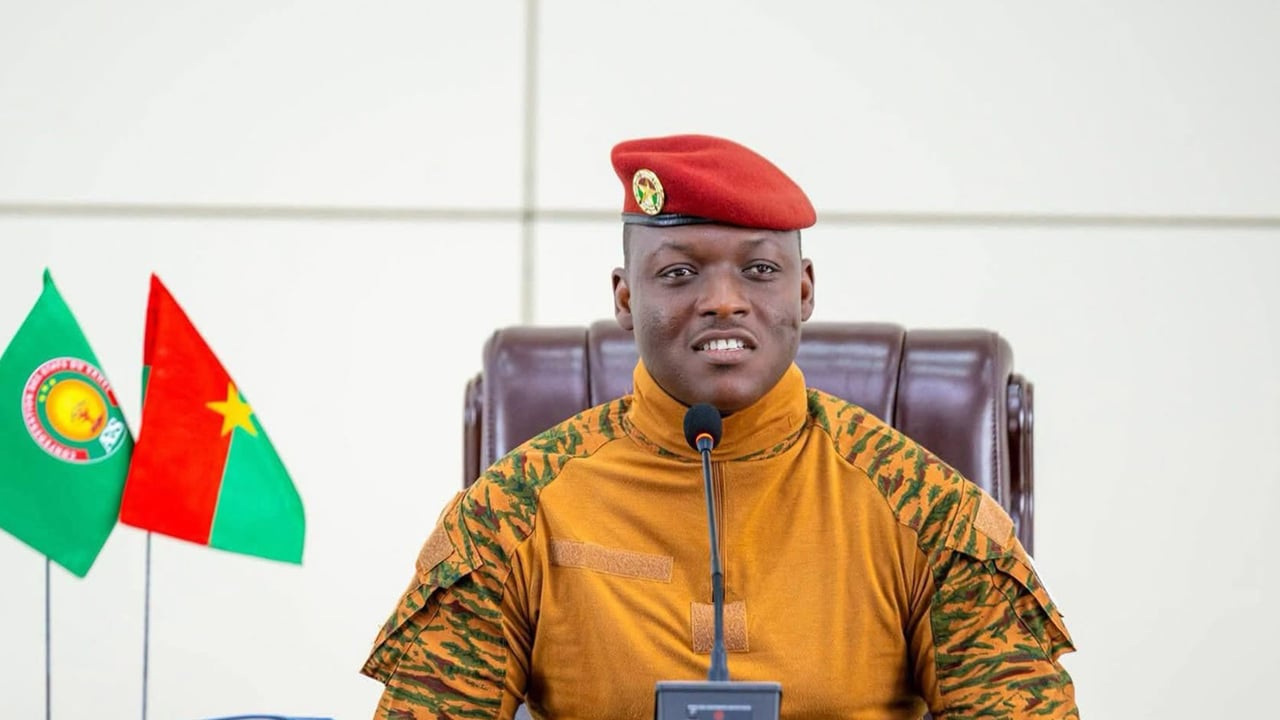
The Confederation of Sahel States (AES) continues to establish its institutions. In Ouagadougou, the heads of parliament from Burkina Faso, Mali, and Niger met with the confederation’s president, Captain Ibrahim Traoré, to receive his directives ahead of the official inauguration of the confederal parliament.
Following the meeting, officials stated that the selection of deputies should take place soon, paving the way for the first session of this new assembly. The confederal parliament will be tasked with representing the populations of the three member states, supporting the actions of AES institutions, and contributing to the consolidation of the political project championed by the authorities of the three nations.
This initiative represents another step in the institutional construction of the Alliance of Sahel States, which now aims to equip itself with its own governing bodies after withdrawing from the Economic Community of West African States (ECOWAS).
However, the gathering occurs at a time of particularly worrying security conditions. In recent weeks, Burkina Faso, Mali, and Niger have faced a resurgence of jihadist attacks, sometimes of unprecedented scale, resulting in heavy losses among defense forces and civilian populations. For some observers, seeing the highest parliamentary authorities of the AES convene to expedite the creation of a parliament, while no high-level meeting has been specifically announced to address the worsening security crisis, raises questions about the order of priorities.
This perception fuels criticism from those who believe that AES leaders are now placing significant emphasis on building new political institutions, even as the security emergency continues to weigh heavily on the populace. Without questioning the long-term utility of a confederal parliament, these voices argue that such a focus could be misunderstood in a context where citizens primarily expect concrete responses to the surge in attacks.
Beyond its institutional significance, this development is also viewed by some analysts as the start of a more pronounced political division in West Africa. By gradually developing its own institutions, the AES asserts its autonomy from ECOWAS, potentially widening the rift between the two regional blocs and complicating prospects for broader political and security cooperation.

 theafricantribune
 Boureima Amadou




