Boureima Amadou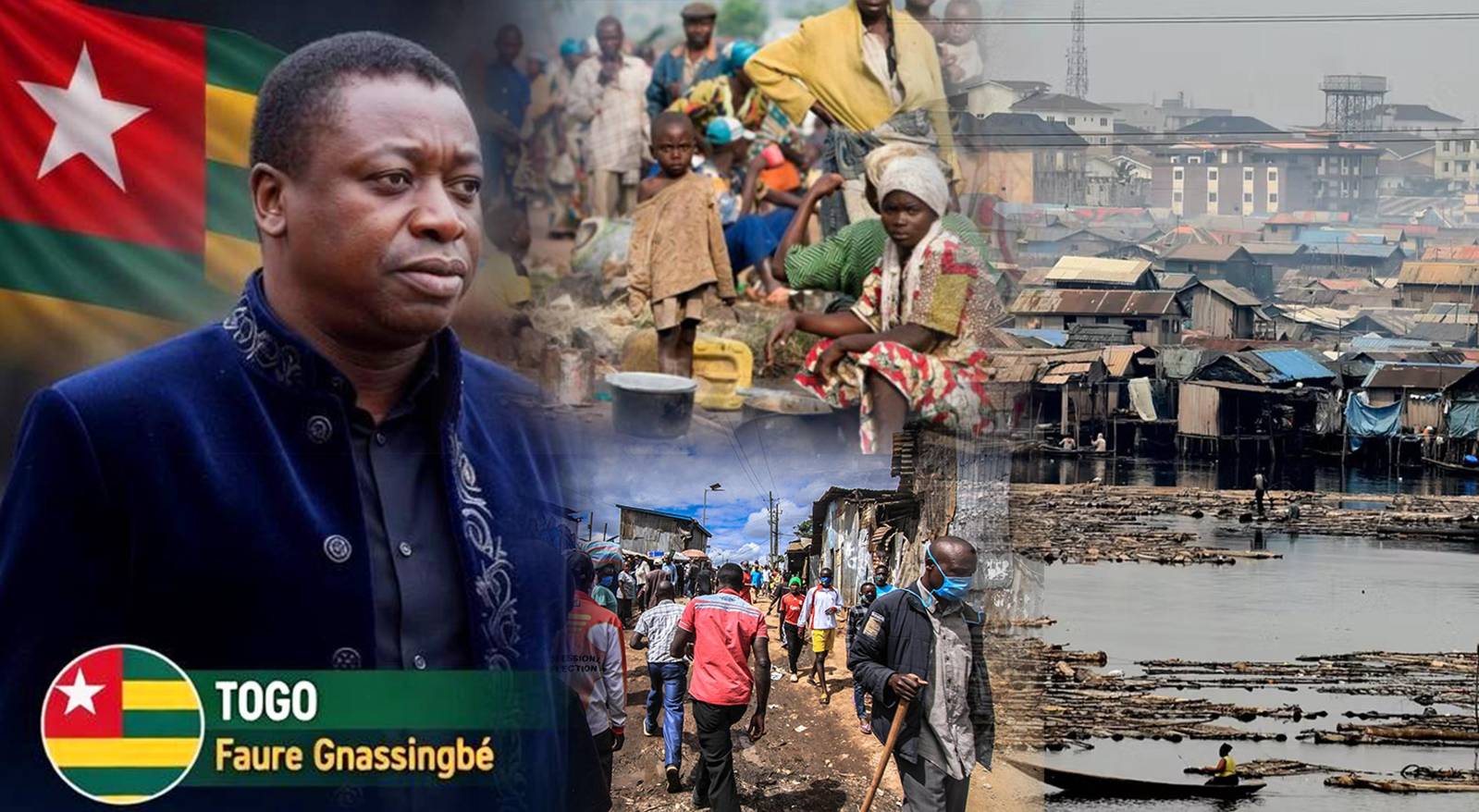
As the people of Togo daily scan the horizon for a glimmer of relief from soaring living costs and persistent power outages, President Faure Essozimna Gnassingbé has opted for a journey to the snow-capped peaks of Kyrgyzstan. This expedition, far from being merely exotic, has left a bitter taste of national bewilderment. Amidst shadowy maneuvers and a noticeable absence of concrete outcomes, this Central Asian excursion appears less like a visionary strategy and more like a desperate geopolitical leap.
A stark contrast: an out-of-touch visit
In Lomé, citizens are awaiting concrete solutions for electricity supply, healthcare access, and job creation. In Bishkek, the exchanges were primarily ceremonial handshakes. The disparity is striking. Kyrgyzstan, a landlocked nation of 7 million inhabitants, possesses neither the financial reserves of Dubai, the natural gas wealth of Qatar, nor the technological prowess of Silicon Valley.
Consequently, an urgent question arises: what precisely was Faure Gnassingbé truly seeking in a country most Togolese were unaware of until recently? Without the announcement of significant contracts or direct investments, this trip feels like a costly enigma for the nation’s taxpayers.
The ‘backdoor’ to Russia: a risky wager
For astute analysts, the real objective wasn’t Kyrgyzstan itself, but rather Moscow. By aligning with members of the Eurasian Economic Union (EAEU) and the Collective Security Treaty Organization (CSTO), Lomé seems intent on gaining entry into Vladimir Putin’s exclusive club through a less conventional route.
This assertive diversification sends a clear message to Western nations. But at what cost? By engaging in the complex global geopolitical chessboard, Togo risks weakening its ties with established traditional partners in pursuit of vague Eurasian promises.
“The fundamental question isn’t about the destination, but the direction it signals,” is a sentiment whispered in diplomatic circles. And that direction increasingly seems to diverge from the immediate concerns of ordinary citizens.
Minor technical gains for a struggling populace
We hear talk of

 theafricantribune