Mariama Hamani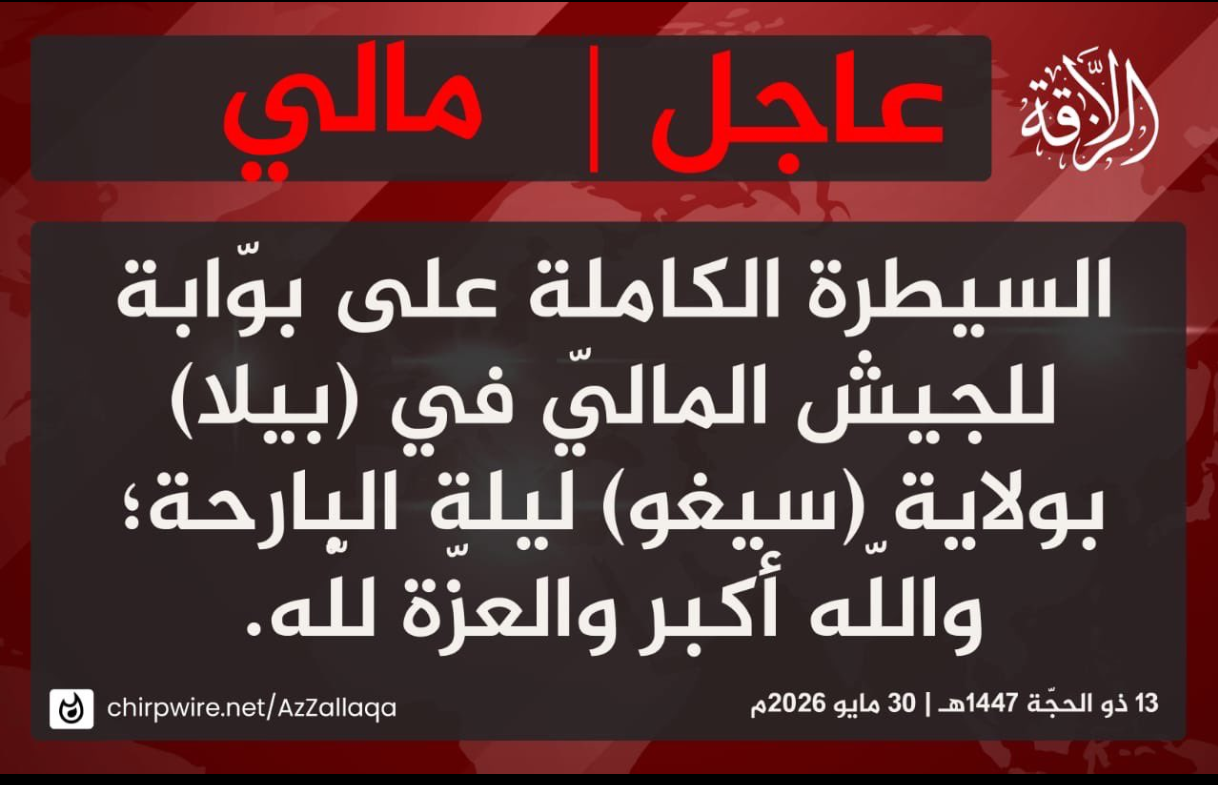
In the early hours following the night of May 29 to 30, the Group for the Support of Islam and Muslims (JNIM), an al-Qaeda-affiliated jihadist coalition, claimed responsibility for seizing a Malian Armed Forces (FAMa) outpost in the Ségou region. The attack not only highlighted the group’s operational reach but also exposed critical weaknesses in Bamako’s security framework.
A coordinated assault with far-reaching consequences
The jihadist network announced its victory through its propaganda channels, asserting that its fighters had overrun a strategically vital military position. Beyond the temporary occupation, the group alleged the capture of substantial quantities of weapons and ammunition—resources that could further intensify future offensives. While local sources acknowledge intense overnight clashes, the full extent of casualties and material losses remains unverified due to restricted access and information blackouts.
This latest incursion underscores a troubling pattern: despite heightened military presence in central Mali, armed groups continue to exploit gaps in security. The attack on the Ségou outpost, a region once touted as relatively stable, demonstrates that jihadist forces retain the agility and coordination to strike even fortified zones.
Russia’s military partnership falls short in countering asymmetric threats
The Malian transitional government, which rose to power in 2020, pledged a swift and decisive reconquest of rebel-held territories. Central to this strategy was a swift pivot from Western partnerships to a deepened collaboration with Russian military advisors and contractors, widely reported to be former Wagner Group operatives. Yet the outcome has been far from transformative.
The Ségou attack lays bare the limitations of this security model. The Russian-backed approach—centered on aerial strikes and large-scale sweep operations—has proven ineffective against the JNIM’s mobile and decentralized tactics. Rather than diminishing, insecurity has deepened, signaling a systemic failure to adapt to the evolving nature of the conflict. The Malian state and its foreign allies now appear overwhelmed, unable to curb the momentum of a resilient insurgency.
From bullets to breadlines: the humanitarian collapse
The fallout from this crisis extends far beyond the battlefield. Ségou, traditionally a breadbasket of Mali due to its proximity to the Niger River, is now caught in a spiral of deprivation. Farmers hesitate to till their lands for fear of landmines or ambushes. Livestock markets lie abandoned, and supply routes are severed by improvised explosive devices, cutting off urban centers from vital food sources.
The jihadist group’s blockade tactics are not merely military—they are deliberate instruments of starvation. By disrupting agricultural cycles and commercial flows, JNIM weaponizes hunger, pushing communities into acute food insecurity. State-led humanitarian responses remain critically under-resourced, leaving thousands vulnerable to famine and disease.
Displacement and despair: civilians bear the brunt
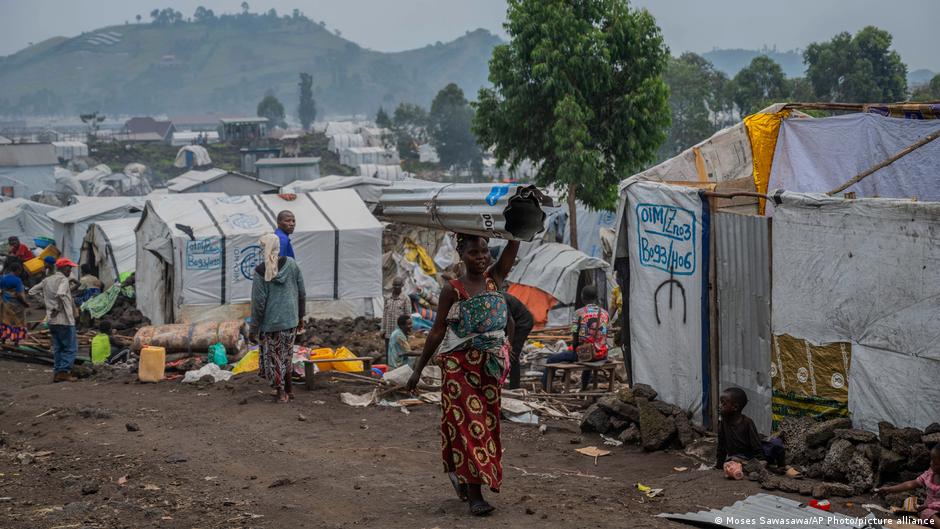
Facing relentless violence and the looming threat of starvation, civilians are fleeing in unprecedented numbers. Entire villages in the Ségou region have emptied, with residents seeking refuge in urban hubs or overcrowded displacement camps around Bamako. These makeshift settlements offer little shelter, sanitation, or access to healthcare—conditions exacerbated by the state’s prioritization of military expenditures over social services.
Women and children, disproportionately affected, are paying the heaviest price. With local NGOs stretched to capacity, the displaced face destitution, their survival dependent on dwindling external aid and strained community networks.
No path forward without civilian protection
The JNIM’s recent victory in Ségou is a stark reminder of the disconnect between Bamako’s rhetoric and ground reality. The promise of restored territorial control has collided with the harsh truth of a protracted, unwinnable war. By fixating on a purely military solution and an unproven foreign partnership, the junta has sidelined the urgent need for civilian protection, governance, and food security.
Without a holistic strategy that integrates humanitarian relief, community resilience, and inclusive governance, Mali risks irreversible social fragmentation. The current trajectory suggests that the nation’s future hinges not on the barrel of a gun—but on the will to protect its people.

 Boureima Amadou