
 Boureima Amadou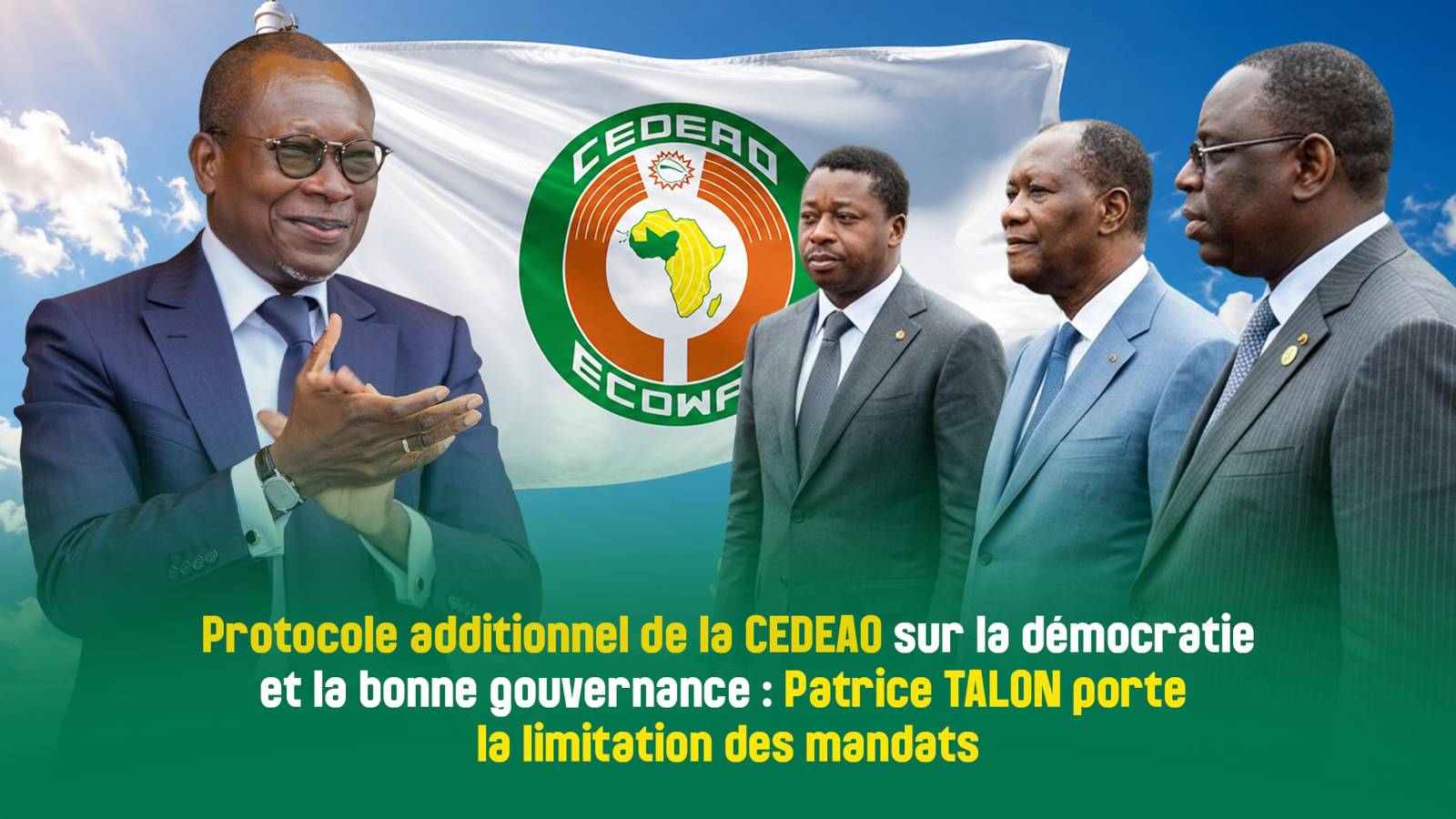
when democratic principles clash: why Patrice Talon skips ECOWAS summits
The Economic Community of West African States (ECOWAS) is grappling with a deepening divide over a core democratic principle: presidential term limits. At the heart of this standoff is Benin’s President Patrice Talon, a vocal advocate for strict term limits who has found himself increasingly isolated among regional leaders.
Bénin’s crusade for democratic reform
Since assuming office in 2016, Patrice Talon has made presidential term limits the cornerstone of his foreign policy. With a string of military coups in Mali, Burkina Faso, and Niger exposing the fragility of ECOWAS’s democratic framework, Talon argues that the region’s instability stems from leaders overstaying their mandates. His solution? A radical proposal: a blanket ban on third presidential terms across all member states, with no exceptions—even through constitutional amendments.
For Cotonou, this isn’t just a policy—it’s a moral imperative. The Beninese leader contends that unchecked presidential ambitions erode institutional trust and fuel the very coups ECOWAS claims to oppose. His stance is clear: without enforceable term limits, the bloc risks becoming irrelevant to a generation demanding accountability.
the resistant bloc: Lomé, Dakar, and Abidjan push back
Talon’s vision has clashed head-on with a formidable alliance led by Togo’s Faure Gnassingbé, Côte d’Ivoire’s Alassane Ouattara, and Senegal’s former president Macky Sall. Their opposition is rooted in sovereignty concerns and political pragmatism.
In Lomé, the government argues that term limits infringe on national sovereignty, particularly after Togo transitioned to a parliamentary system that extends presidential influence. In Abidjan, Ouattara’s administration—still grappling with the fallout of his own contested third term in 2020—rejects any supranational interference in domestic governance. Meanwhile, Dakar’s stance under Macky Sall prioritized regional security and economic integration over what it viewed as overreach by the bloc.
For these leaders, ECOWAS’s role should focus on combating terrorism and deepening trade—not policing term limits. Their resistance has left Talon’s reforms in limbo, forcing Benin to rethink its participation in regional summits.
the cost of conviction: empty chairs and diplomatic silence
Patrice Talon’s refusal to endorse ECOWAS’s current trajectory has manifested in a striking absence from key summits. While critics label this a form of self-imposed isolation, Porto-Novo frames it as a principled stance. The message from Cotonou is uncompromising: ECOWAS cannot condemn military coups while turning a blind eye to constitutional overreach by civilian leaders.
This diplomatic gamble has drawn both praise and skepticism. Supporters hail Talon as a rare voice of integrity in a region where leaders often cling to power through legal loopholes. Detractors warn that his intransigence risks weakening Benin’s influence, leaving it sidelined in critical regional decisions.
a lone reformer or a voice for the region?
Despite the opposition, Talon’s position resonates with civil society groups across West Africa. His pledge to step down in 2026—contrasting sharply with the region’s entrenched leaders—has positioned him as a symbol of democratic renewal. For many, his stance is a reminder that true stability requires rules that apply equally to all, without exceptions.
The debate over term limits isn’t just a legal technicality—it’s a defining struggle for the soul of West Africa. By defying allies like Ouattara and Gnassingbé, Talon has elevated ethics over diplomacy, betting on history to vindicate his stance. Whether the bloc will ultimately embrace his vision remains uncertain, but one thing is clear: the fight for democratic credibility in ECOWAS has entered uncharted territory.


 Mariama Hamani




