Mariama Hamani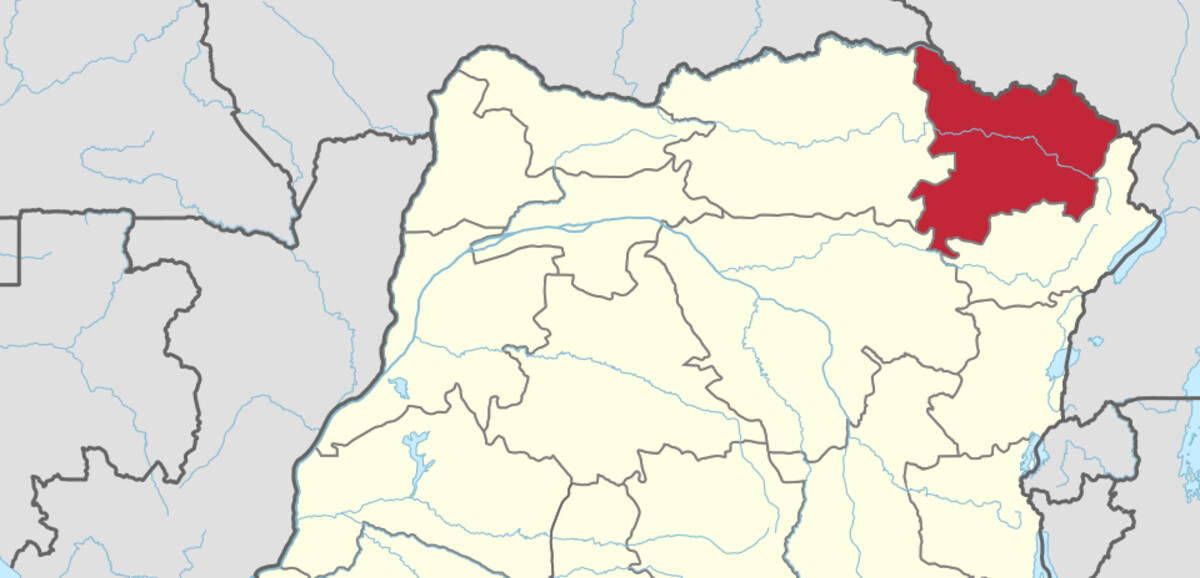
Ebola outbreak expands to fourth province in Democratic Republic of Congo
Health crisis.
In the Democratic Republic of Congo, the Ebola epidemic has now reached a fourth province: Haut-Uélé. Health authorities report 1,274 confirmed cases and 360 deaths since the outbreak was declared in May. The Ituri region remains the epicenter of the crisis, where response teams struggle to contain the spread amid security challenges, armed conflicts, and community mistrust.
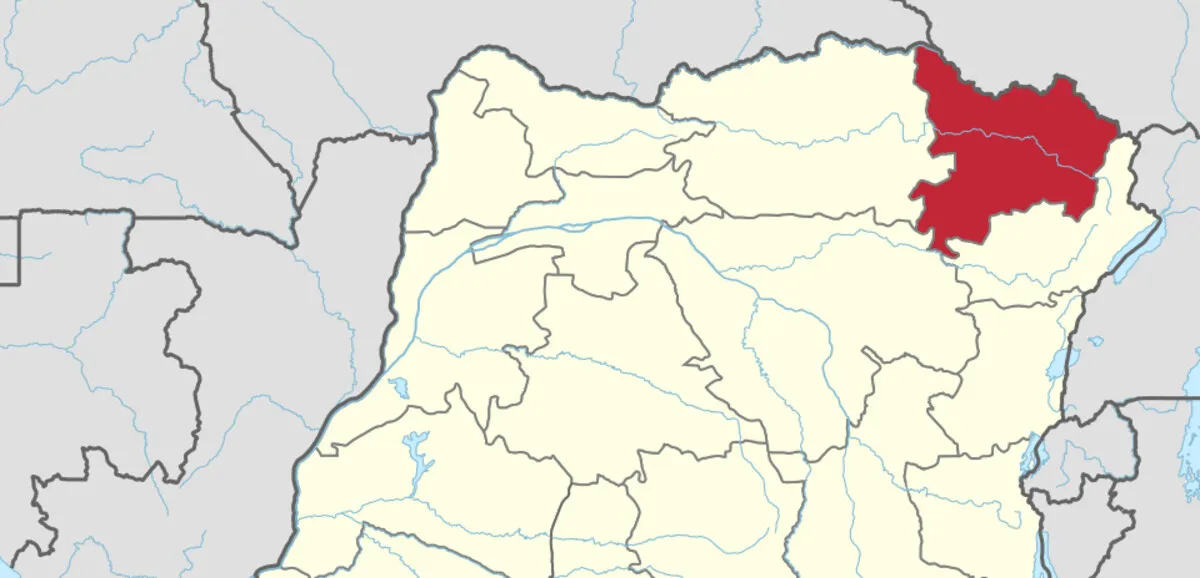
Initially, three provinces were affected by the Ebola outbreak: Ituri (bordering Uganda and South Sudan), neighboring North Kivu, and South Kivu. Uganda has recorded 20 cases, including two fatalities.
Haut-Uélé is now the fourth Congolese province impacted by the epidemic. Located near Ituri, this region shares borders with South Sudan and the Central African Republic. Health investigations indicate that an infected individual traveled from Ituri to Haut-Uélé, carrying the virus into the area—a patient who later succumbed to the disease.
Epidemiologists emphasize the urgency of tracing transmission chains and identifying contacts. Many infections have occurred during traditional burial rites, as Ebola spreads rapidly through contact with bodily fluids of deceased victims.
Despite widespread public skepticism, relief workers are working to implement safe burial practices in infected zones, preventing human contact with the deceased. In the Democratic Republic of Congo and across Africa, funerals often span several days, during which families traditionally touch the bodies of their loved ones.
Armed violence compounds health challenges
Recent weeks have seen violent incidents at health centers, driven by grieving communities demanding the return of relatives’ remains. Like Ituri, Haut-Uélé shares geographic and economic vulnerabilities: a crossroads for trade and gold-rich lands, facilitating viral spread.
Both regions suffer from persistent armed group violence. In Ituri, communal militias and the Islamic State-affiliated ADF have carried out massacres for over a decade. The ADF has recently expanded operations into Haut-Uélé, further destabilizing the area. The ongoing insecurity has delayed the health response, with epidemiologists noting delayed virus detection—a critical setback in controlling the outbreak.
Unconfirmed epidemiological findings suggest the first suspected deaths may date back to January. While efforts in Ituri have intensified, health facilities—often under-resourced in one of the world’s poorest nations—lack basic supplies like protective gear and chlorine.
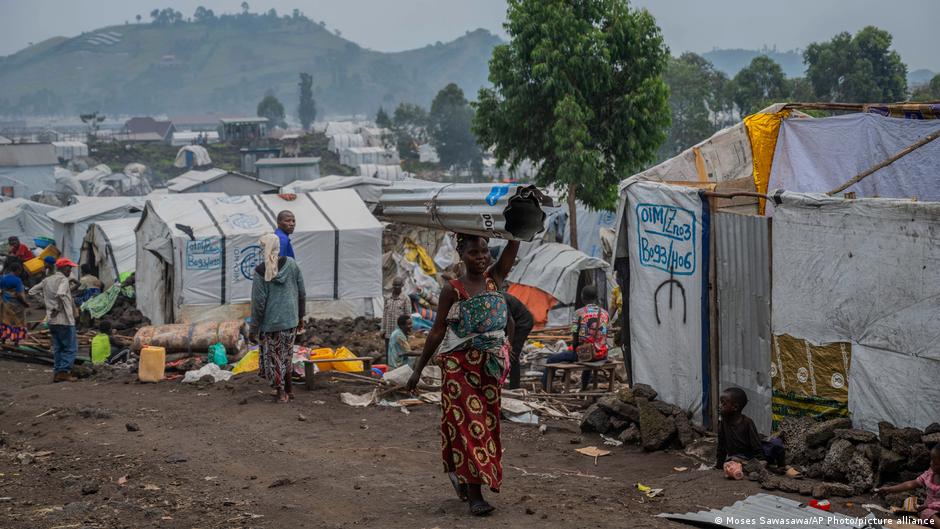
Ebola treatment centers, supported by the World Health Organization and NGOs, are operating at over 138% capacity, according to the National Institute of Public Health. To date, 78 healthcare workers have been infected, with 18 fatalities.
Experts and health officials warn that six weeks after the official declaration, the outbreak has not peaked. They project the crisis could persist for six months to a year. Ebola, transmitted through bodily fluids, has claimed over 15,000 lives in Africa over the past five decades. The deadliest outbreak in the Democratic Republic of Congo occurred between 2018 and 2020, resulting in nearly 2,300 deaths from 3,500 cases.


 Boureima Amadou