
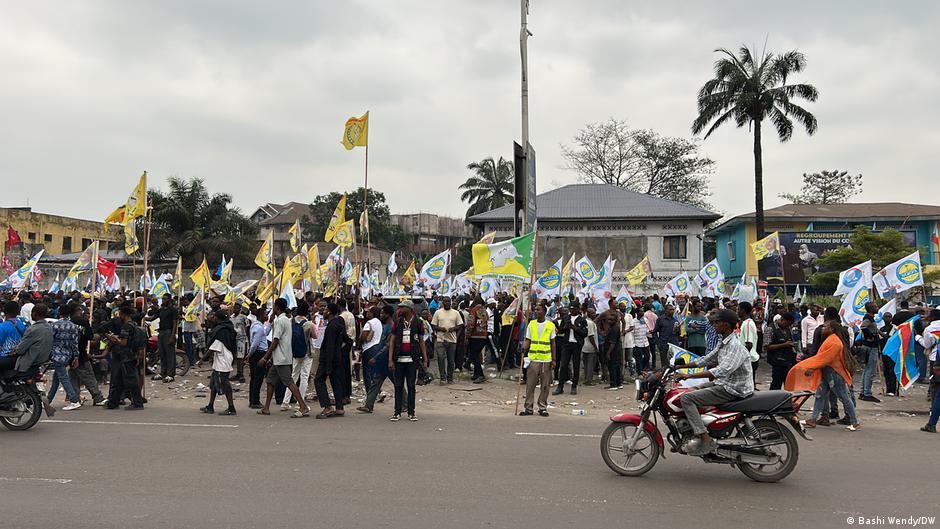
The decision by the Constitutional Court to uphold the law governing the organization of a referendum has reignited fierce debates across the Democratic Republic of the Congo. Political observers now warn of escalating tensions as the opposition refuses to back down, setting the stage for potential unrest.
Opposition leaders, particularly from the Article 64 coalition, have condemned the ruling as a dangerous precedent that paves the way for constitutional amendments. “The battle is far from over. We will mobilize every resource to ensure this law never takes effect in our nation,” declared Prince Epenge, a prominent spokesperson for the coalition. He urged citizens to remain defiant, emphasizing that “the people are outraged and must stand united against a third term and any attempt to divide the country.”
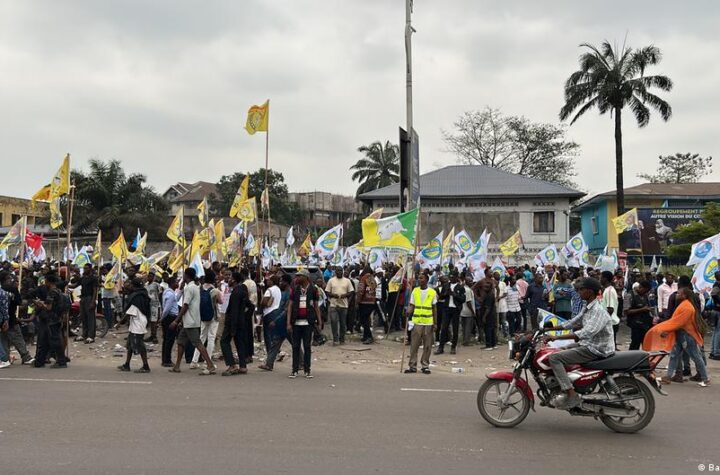
Kinshasa residents brace for unrest as political climate heats up
Residents in the capital are growing increasingly anxious as opposition figures gather to strategize their next moves. Many fear that upcoming protests could spiral into violence, disrupting daily life and causing instability.
“Will their protests remain peaceful? We must prevent any loss of life,” questioned one resident, reflecting widespread concerns about the potential for clashes. Another added, “This decision could push the political climate in the DRC to the brink.”
Some citizens have also accused the ruling power of stoking unrest by allegedly deploying forces to disrupt opposition marches. “The one fanning the flames is the current government,” claimed a local. “The true victims will be the people when protests erupt.”
Legal move risks derailing political dialogue
Political analysts warn that the swift enactment of the referendum law could severely undermine ongoing efforts to foster dialogue. Timo Roujean, a researcher at the Konrad Adenauer Foundation, cautioned that if President Félix Tshisekedi signs the bill before mid-August, it could nullify progress in negotiations and embolden factions advocating confrontation.
“A pre-August 15 signing would sabotage dialogue and fuel claims of a constitutional coup,” Roujean stated. He highlighted how the court’s decision might be exploited by groups pushing for armed resistance as the only viable opposition strategy.
The ruling has, therefore, deepened the divide between the presidential camp, which now has a legal framework at its disposal, and an opposition determined to block any constitutional reform. The coming weeks will be critical in shaping the future of the DRC’s political crisis.
More Stories
King mohamed vi highlights Morocco’s stability and strategic autonomy in national address
Drc constitutional reform sparks opposition protests
Drc political crisis escalates as opposition vows to block constitutional changes