
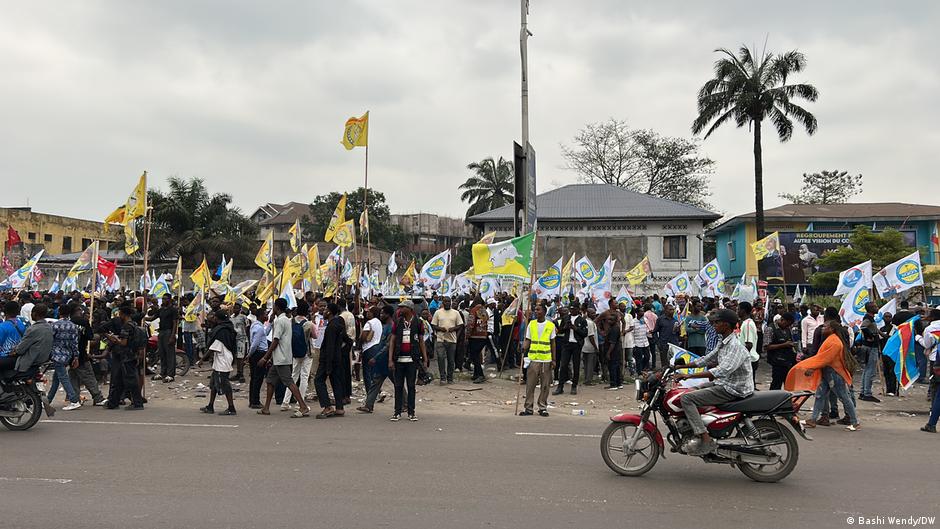
DRC political crisis deepens as opposition vows protests over constitutional changes
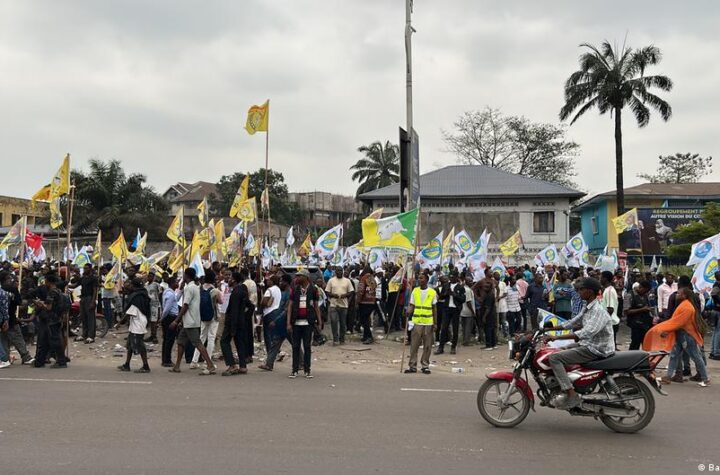
The Constitutional Court’s green light for the referendum law has intensified political divisions in the Democratic Republic of the Congo. While the government views this as a procedural milestone, opposition groups condemn it as a dangerous overreach and are preparing to escalate their resistance.
Members of the Article 64 coalition have made it clear they see the ruling as a direct threat to constitutional stability. Among them, spokesperson Prince Epenge warns that the fight is far from over.
“We will not back down. We are pooling every ounce of strength to ensure this law never becomes operational in our country.”
Epenge adds that “the people are outraged and must remain on their feet, united against any attempt to extend presidential terms or divide the nation.”
Kinshasa residents voice growing concerns
As coalition leaders gathered to strategize, ordinary citizens in Kinshasa expressed deep unease about the potential escalation. Many fear that protests, if they materialize, could spiral into unrest.
One resident reflects: “How can we be sure their demands will be made peacefully? We must avoid any loss of life.”
Another warns: “This decision risks pushing our already tense political climate toward outright confrontation.”
A third resident voices a more personal worry: “The real victims will be the people caught in the crossfire of demonstrations.”
Some citizens even accuse authorities of orchestrating instability to undermine opposition movements. “Those stoking chaos today are the ones in power,” one says, alleging that state actors are deliberately disrupting peaceful protests.
Political dialogue hangs in the balance
Timo Roujean, analyst at the Konrad Adenauer Foundation, warns that fast-tracking this law could derail fragile efforts toward political reconciliation. He cautions that if President Félix Tshisekedi signs the legislation before mid-August, it could dismantle years of dialogue and embolden factions that advocate violent resistance.
“If this law is enacted before 15 August, all progress toward national dialogue could collapse.”
Roujean highlights the rising rhetoric of “constitutional coup” and warns that the Court’s decision could strengthen narratives justifying armed opposition.
The standoff between the ruling camp—which now has a legal framework for constitutional reform—and a defiant opposition bent on blocking change sets the stage for a decisive phase in the DRC’s political crisis.
More Stories
King mohamed vi highlights Morocco’s stability and strategic autonomy in national address
Drc constitutional reform sparks opposition protests
Drc political crisis escalates as opposition vows to block constitutional changes