Mariama Hamani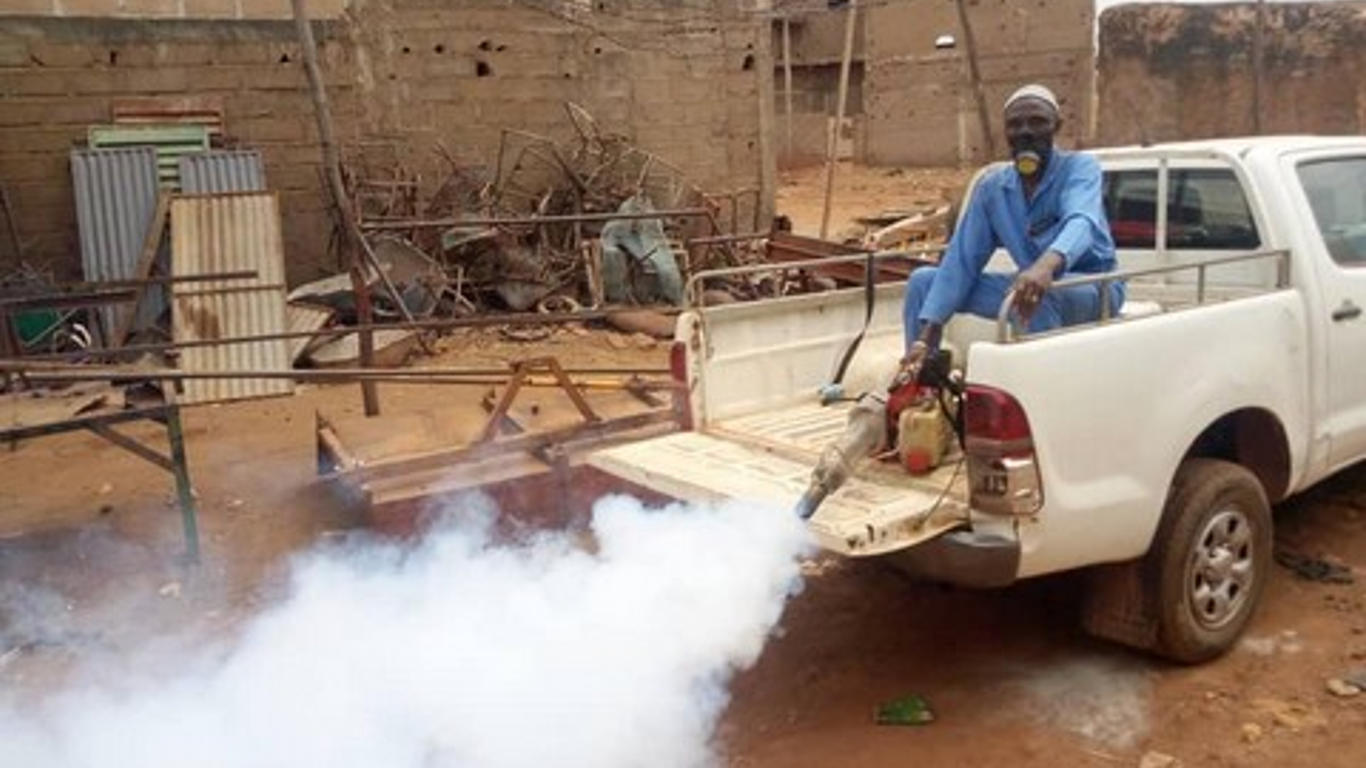
Dengue outbreak in Mali: what you need to know
Mali’s health authorities are on high alert as the country faces a growing dengue fever outbreak, compounding challenges from regional instability.
Health officials in Mali are urgently monitoring the spread of dengue fever, a mosquito-borne illness that often goes undetected in Africa due to its symptom overlap with malaria. Twelve confirmed cases have been reported in Bamako and surrounding districts, including Kalaban Coro and Koulikoro.
According to Kalif Keita, Deputy Director General of Public Health and Hygiene, most cases involve adults and men. This pattern highlights the importance of targeted prevention efforts.
Has dengue affected Mali before?
This isn’t the country’s first encounter with the disease. Dengue was first detected in Mali in 2008, with subsequent outbreaks in 2017 and 2019. The recent surge in neighboring Burkina Faso has prompted Mali’s authorities to strengthen surveillance, though comprehensive data remains scarce.
The lack of diagnostic resources and overlapping symptoms between dengue and malaria contribute to underreporting across Africa. Without proper testing, many cases likely go unrecognized, delaying treatment and containment.
How to stay safe during the outbreak
Prevention is critical. Residents and travelers should:
- Use mosquito repellent containing DEET or picaridin
- Wear long sleeves and pants, especially at dawn and dusk
- Install window screens or sleep under mosquito nets
- Avoid standing water to eliminate breeding sites
Travelers returning from Mali should monitor their health for 14 days and seek medical attention if symptoms appear.


 Boureima Amadou