Boureima Amadou
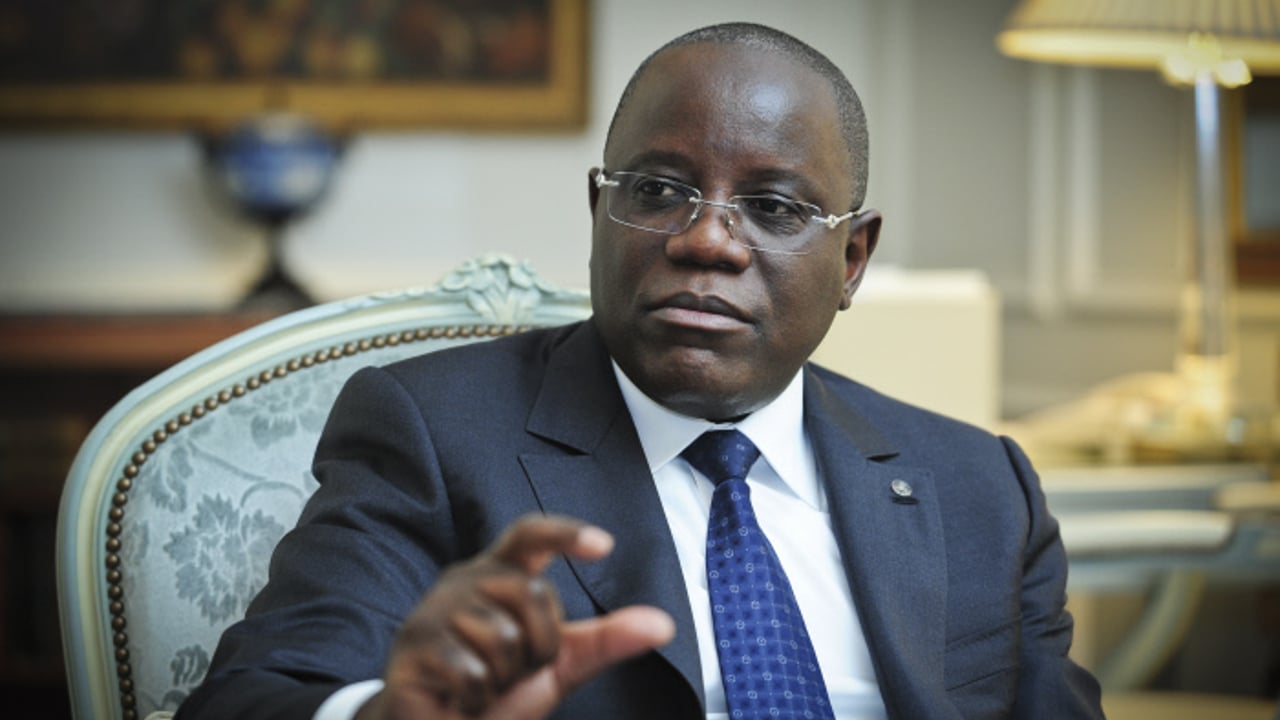
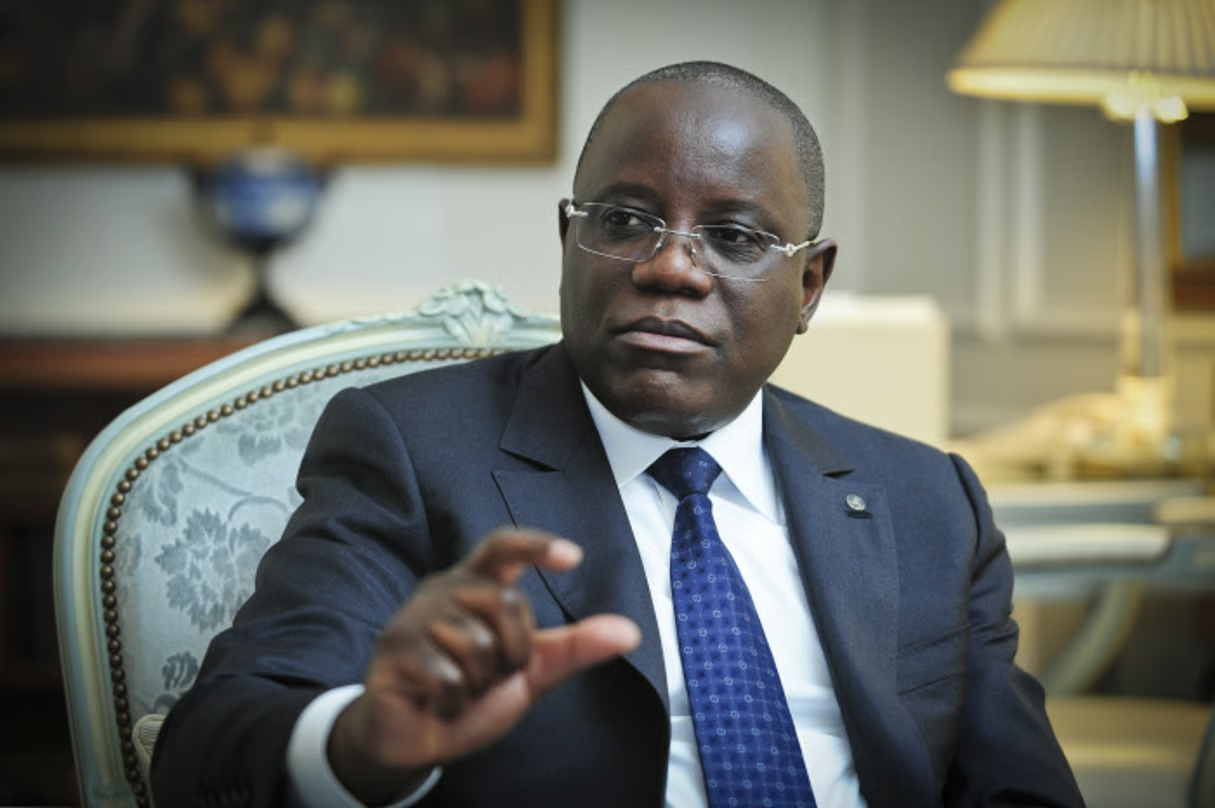
Kinshasa is witnessing an unprecedented political tremor as former Democratic Republic of Congo (DRC) vice-president and PPRD heavyweight Aubin Minaku finds himself under a new form of restricted freedom. The move marks a decisive turning point in the country’s power dynamics, sending shockwaves through political circles and raising critical questions about the future of national leadership. What triggered this dramatic shift, and what could it mean for the broader Congolese landscape?
From Vice-President to Restricted Freedom: The Unprecedented Fall of a Political Titan
Aubin Minaku’s political ascent was once unassailable. As the second-ranking official in the PPRD—the party that dominated DRC politics for decades—he wielded significant influence behind the scenes. His sudden placement under monitored freedom represents more than just a personnel change; it signals a fundamental recalibration of power within the ruling establishment. Official statements cite procedural compliance as the reason behind the restriction, but the timing and nature of the move suggest deeper currents at play.
What Does Monitored Freedom Mean in DRC’s Political Context?
The term “monitored freedom” describes a scenario where individuals retain personal liberty but operate under heightened surveillance and institutional oversight. In Minaku’s case, this likely involves:
- Restricted movement: Limitations on his ability to travel freely within and outside Kinshasa, possibly requiring official permission for movement.
- Controlled communication: Restrictions on public statements, media interactions, and digital communications to prevent unauthorized disclosures.
- Ongoing accountability: Regular reporting to designated authorities, coupled with potential financial and asset oversight.
Immediate Political Aftershocks Across DRC
The ripple effects of this decision are already visible across the political spectrum:
- PPRD realignment: Party members are recalibrating their alliances, with some distancing themselves publicly while others navigate internal tensions.
- Opposition maneuvering: Political rivals are seizing the moment to challenge the status quo, positioning themselves as potential successors or reformist voices.
- Public speculation: Citizens and observers alike are dissecting every detail, fueling debates about governance, accountability, and the rule of law.
What’s Next for Kinshasa’s Power Structure?
While the short-term implications are clear, the long-term consequences remain uncertain. Several key factors will shape Kinshasa’s political trajectory in the coming weeks:
- Legal clarity: Will formal charges or additional restrictions be imposed, or is this a temporary measure pending further review?
- Succession dynamics: Which figures within the PPRD—or even outside it—will emerge as potential successors, and how will they consolidate support?
- Public sentiment: How will Kinshasa’s residents respond to this development, particularly given ongoing concerns about governance and transparency?
Navigating a New Political Reality in DRC
The monitored freedom of Aubin Minaku is more than an isolated incident; it’s a bellwether for the future of DRC politics. Whether this marks the beginning of a broader crackdown or a strategic repositioning of power, one thing is certain: Kinshasa’s political landscape has entered uncharted territory. Stakeholders across the spectrum are now tasked with adapting to this new reality, where every decision could tip the balance of influence in unpredictable ways.


 Mariama Hamani