Boureima Amadou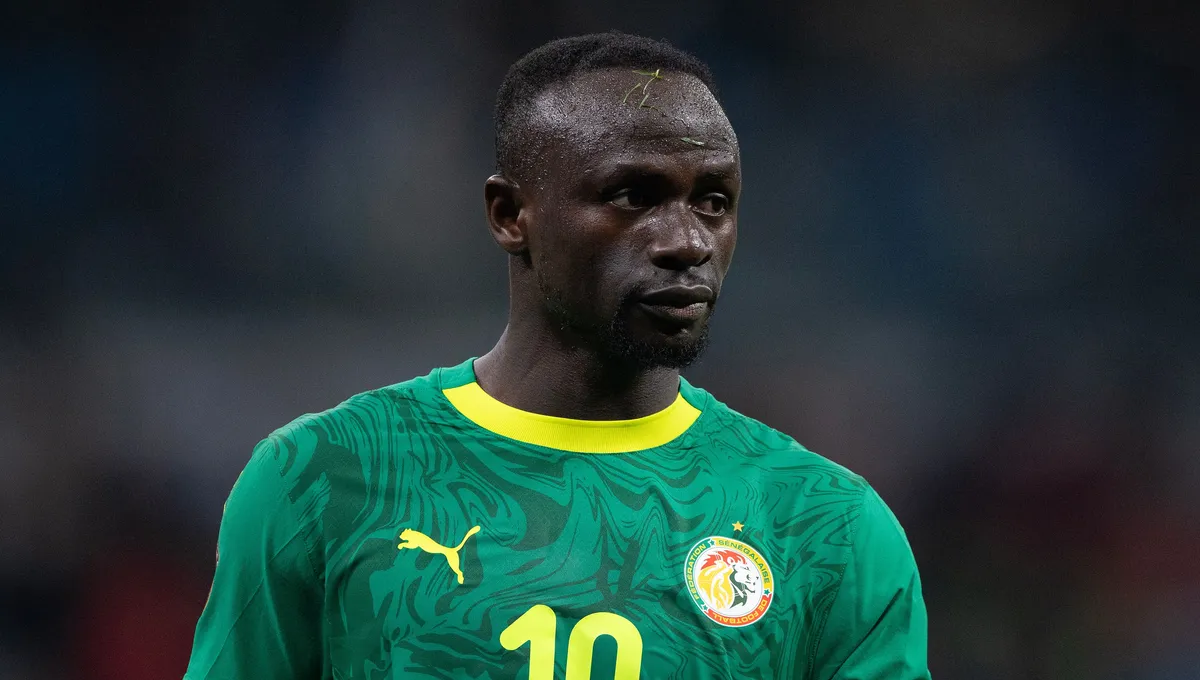
The final match of the Africa Cup of Nations (CAN) 2025 has sparked major controversy after the African Football Confederation (CAF) decided to revoke Senegal’s title two months post-victory, awarding it to Morocco instead. This unexpected turn of events has left many questioning the timing and motives behind the decision.
why the caf’s decision was delayed
Initially, the final match held on January 18 appeared to conclude with Senegal’s triumph. However, Morocco filed an appeal shortly after, invoking FIFA regulations regarding player conduct. The appeal led to sanctions against Senegal’s coach, Pape Tiaw, who received a five-match ban. Morocco later contested this ruling, prolonging the legal battle. The final verdict, delivered late at night, caught everyone by surprise, including the Moroccan delegation itself, which issued a statement emphasizing their focus on legal compliance over athletic performance.
The Senegalese Football Federation responded immediately, announcing plans to challenge the verdict at the Court of Arbitration for Sport (CAS). The sporting community remains divided—some advocate for strict adherence to regulations, while others argue that a title earned on the field should not be stripped months later. Experts suggest this may be remembered as the longest-running final in football history.
key arguments in the dispute
- regulatory compliance vs. athletic merit: Morocco’s appeal hinged on Senegal’s alleged breach of FIFA’s Article 82 and 84, which penalize teams for leaving the pitch prematurely. While the initial sanctions were imposed, the subsequent appeals prolonged the process.
- timing of the verdict: The late-night announcement caught many off guard, raising questions about the transparency and urgency of the decision-making process.
- Senegal’s response: The federation’s decision to pursue legal recourse highlights the high stakes and the unwillingness to accept the ruling without a fight.
what comes next?
The situation remains unresolved as Senegal prepares to present its case to the CAS. The outcome could set a precedent for how future disputes in African football are handled, emphasizing the need for clarity in regulations and timely resolution of conflicts.