Mariama Hamani

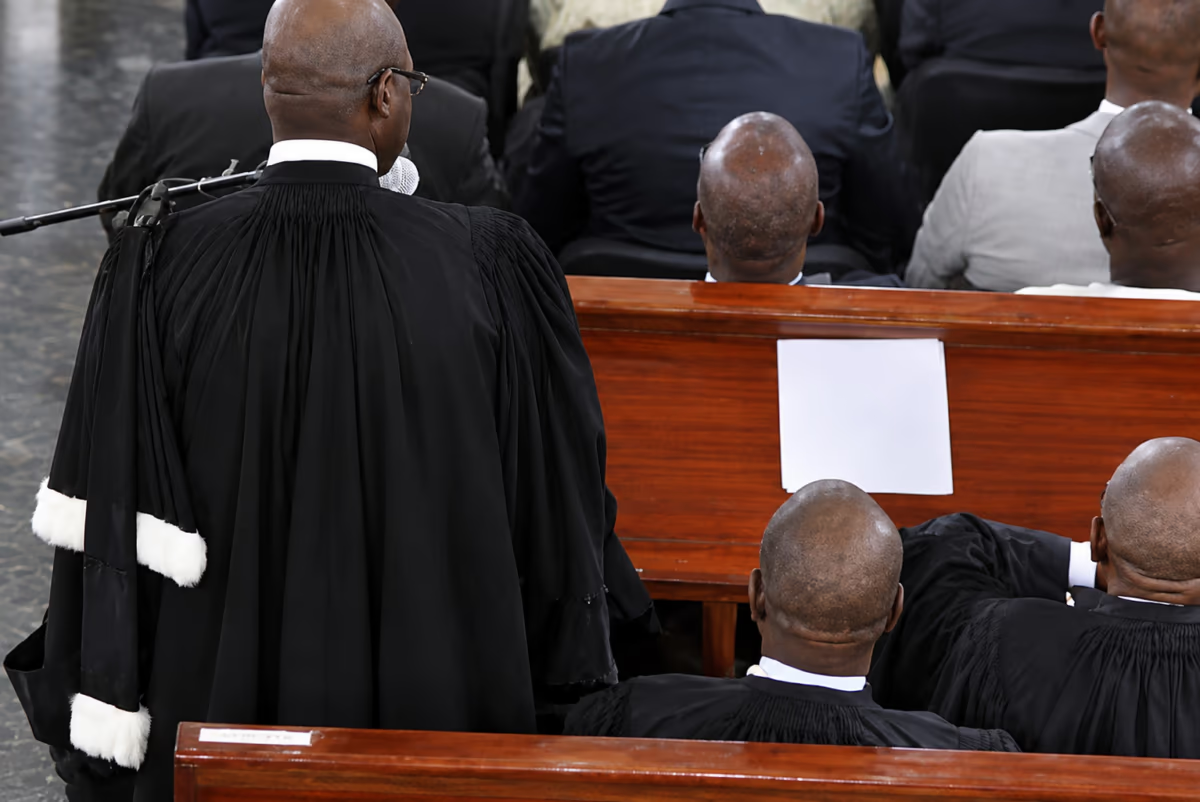
As French law firm Gide prepares to inaugurate its Dakar offices at the French Residence on November 26, the Senegalese Bar Association has launched a high-stakes legal confrontation that could redefine the country’s legal landscape. The move marks a critical turning point in the relationship between international firms and local legal institutions, with the Order of Senegalese Lawyers taking decisive action against what it calls an unauthorized expansion.
Legal clash escalates as Dakar’s Bar Association takes unprecedented action
The standoff reached a new level when Senegal’s Bar Association (Ordre des Avocats) publicly condemned Gide’s planned inauguration as a violation of local laws. In a strongly worded statement, Bar President Aly Fall accused the firm of attempting an “illegal exercise of the legal profession” and filed formal complaints with both local authorities and the French Embassy in Dakar.
Key to the dispute is the assertion by the Senegalese Bar that Gide’s expansion bypasses mandatory legal procedures. The Association argues that only it holds the authority to authorize foreign law firm installations in Senegal, emphasizing that no consultation took place regarding Gide’s arrival.
The Bar’s rapid escalation reflects mounting tensions over what it views as a deliberate circumvention of regulatory frameworks. “Gide’s actions constitute unacceptable defiance toward Senegalese legal institutions,” the Bar Association declared, warning that such moves undermine regional legal harmonization efforts under the West African Economic and Monetary Union (WAEMU).
From diplomatic protest to courtroom battle: Senegal’s legal fraternity fights back
The conflict transitioned from public statements to active legal confrontation after the Bar Association filed criminal complaints against Gide for alleged unauthorized legal practice. Legal experts suggest the case could set a precedent for how international firms operate in the region, with potential consequences for both foreign investments and local legal sovereignty.
Gide, which has presented itself as one of the first international law firms in Dakar, finds itself at the center of a debate that transcends legal technicalities. The firm’s planned inauguration gala at the French Residence has become symbolic of a broader struggle for control over Senegal’s legal services sector.
The Bar Association’s aggressive stance suggests a turning point in how professional legal bodies interact with foreign entities. By invoking illegal practice statutes and mobilizing both judicial and diplomatic channels, the Association demonstrates a willingness to challenge perceived economic encroachments with legal rigor rather than passive resistance.
What’s next for Senegal’s legal landscape amid this confrontation?
The coming weeks will determine whether this standoff results in a negotiated resolution or a prolonged legal battle that reshapes business entry for international firms. The Bar Association’s uncompromising position—coupled with its immediate legal action—signals that future foreign expansions may face similar scrutiny.
For Senegal’s business community, the outcome carries significant implications. While international firms may bring expertise and capital, the legal establishment appears determined to protect local professional standards and regulatory authority. The question now is whether this confrontation will foster collaboration or deepen the divide between international ambitions and national legal sovereignty.

 Boureima Amadou