Boureima Amadou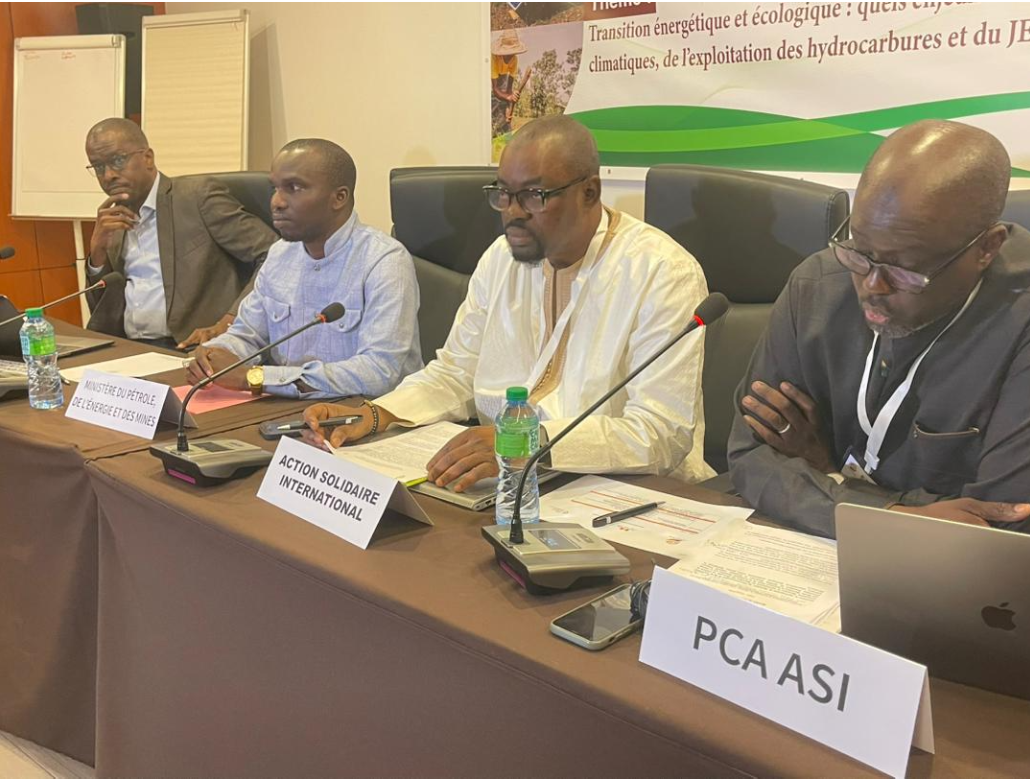
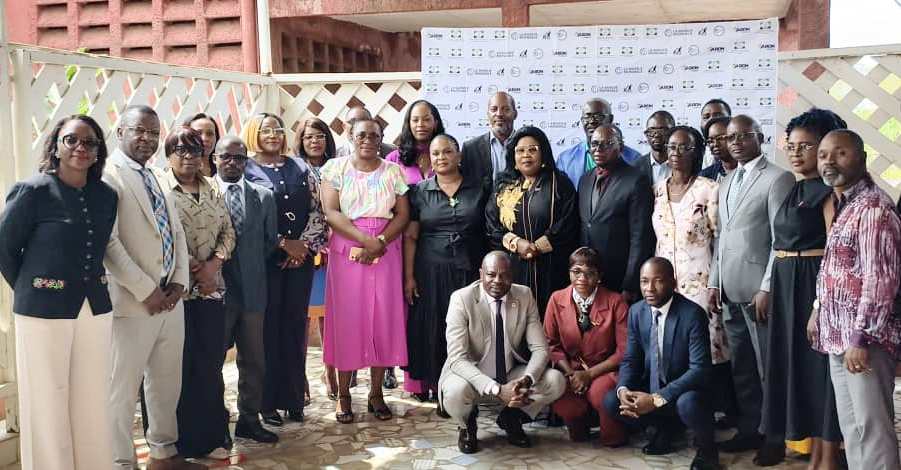
Dakar recently became the epicenter of discussions on Senegal’s ecological future, as the fourth edition of the Environment and Energy University kicked off on May 19. The two-day event brought together a diverse assembly of specialists, researchers, government officials, civil society representatives, and technical partners, all focused on advancing the nation’s energy transition.
The forum, held on May 19 and 20, was designed to foster strategic dialogue around Senegal’s shift toward renewable energy and sustainable development. It unfolded against a backdrop of escalating climate threats, including extreme weather events, rising sea levels, and the growing challenges posed by the country’s emerging oil and gas sector.
The opening ceremony was led by Dr. Elhadji Ndiaye, who stood in for the Minister of Petroleum, Energy, and Mines. Key institutions such as the National Renewable Energy Agency (ANER), the Senegalese Agency for Rural Electrification (ASER), academic experts, and multiple non-governmental organizations actively contributed to the proceedings.
In his keynote address, Dr. Ndiaye emphasized the transformative potential of energy in driving economic growth, fostering innovation, and improving livelihoods. He framed environmental and energy challenges not as isolated issues but as central pillars of sustainable development and national prosperity.
“Energy is no longer just a technical concern—it is the backbone of economic resilience, social progress, and environmental stewardship,” he stated.
Mamadou Barry, President of Action Solidarité Internationale and coordinator of the event, underscored the urgency of accelerating Senegal’s ecological transition. He warned that while the impacts of climate change—such as recurring floods, coastal erosion, and agricultural losses—are intensifying, public awareness and policy responses remain inadequate.
“The time for incremental change has passed. Senegal must adopt a development model that is both sustainable and sovereign, one that harmonizes responsible hydrocarbon exploitation with our climate commitments,” Barry asserted.
He also called for greater inclusion of climate-vulnerable communities in policy-making, ensuring their voices shape the nation’s environmental agenda. “The discovery of oil and gas reserves should not divert attention from our renewable energy ambitions. We must walk both paths—responsibly and simultaneously,” he concluded.


 Mariama Hamani