Boureima Amadou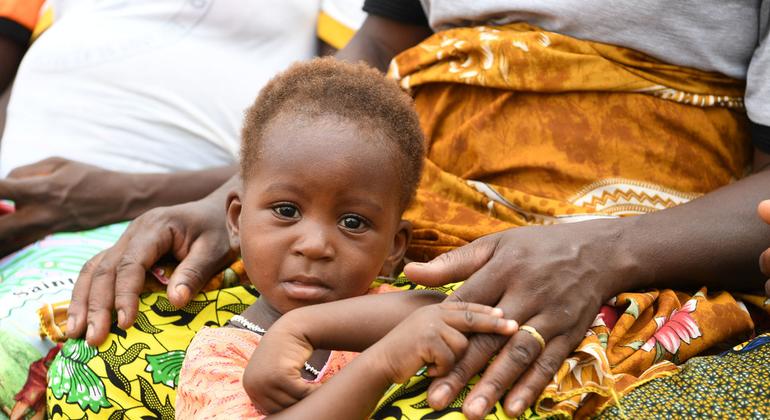
West and Central Africa face deepening humanitarian crisis: urgent calls for funding and solidarity
Global aid agencies, led by the United Nations, are sounding the alarm over a worsening humanitarian crisis in West and Central Africa. With over 42 million people in dire need of assistance across countries like Burkina Faso, Cameroon, Mali, Niger, Nigeria, the Central African Republic, the Democratic Republic of the Congo, and Chad, the international community is facing a critical funding shortfall.
United Nations seeks $5.1 billion to aid 24 million vulnerable people
In response to the 2026 global humanitarian appeal totaling $33 billion, the UN and its partners are requesting $5.1 billion to support 24 million of the most vulnerable individuals in the region. “Without immediate resources, families will face increased hunger, displacement, and heightened protection risks, deepening suffering across West and Central Africa,” warns Charles Bernimolin, Head of the UN Office for the Coordination of Humanitarian Affairs (OCHA) for West and Central Africa.
Escalating violence and climate disasters drive displacement
The humanitarian crisis in West and Central Africa is being fueled by a combination of violent conflicts, persistent insecurity, and environmental catastrophes. The Central Sahel region—particularly Burkina Faso, Mali, and Niger—is experiencing severe instability that is spilling over into neighboring countries such as Benin, Côte d’Ivoire, Ghana, Togo, and Mauritania. Meanwhile, the Lake Chad Basin and the conflict in Sudan continue to force millions to flee their homes.
Currently, the region hosts a staggering 12.7 million internally displaced persons (IDPs) and 3.7 million refugees and asylum seekers. Women and children make up the majority of this displaced population, often forced to flee multiple times and facing heightened risks, including gender-based violence, exploitation, and survival sex. The situation is exacerbated by climate change, as intense rains and flooding in 2025 affected over 2 million people across 12 countries. These disasters destroyed crops, damaged homes, and disrupted access to essential services like schools and healthcare. The Democratic Republic of the Congo was particularly hard-hit, with more than 830,000 people affected.
Severe funding gaps cripple humanitarian response
The UN’s humanitarian arm, OCHA, highlights a critical funding deficit that has severely limited aid delivery. In 2025, despite generous donor contributions, only 24% of the $7.8 billion requested was received. This shortfall has forced humanitarian organizations to scale back operations and make difficult decisions about where and whom to assist.
For example, in the Central African Republic, the number of people receiving cash assistance has plummeted by 75%, leaving many unable to meet basic needs. In the Democratic Republic of the Congo, where conflict has triggered massive new displacements, 85% of targeted individuals for shelter aid received no support. Despite these challenges, humanitarian partners have managed to assist 19 million people by the end of 2025. However, millions more remain without critical aid due to the ongoing funding crisis.
A plea for urgent action and solidarity
Humanitarian agencies emphasize that the lack of funding has not only limited immediate relief efforts but has also heightened long-term risks for vulnerable populations. Families are struggling to access food, shelter, and protection, while the combined threats of conflict, displacement, and climate change continue to push the region deeper into crisis. The UN and its partners urge the international community to step up with increased funding and support to prevent further deterioration and save lives.


 Mariama Hamani