Mariama Hamani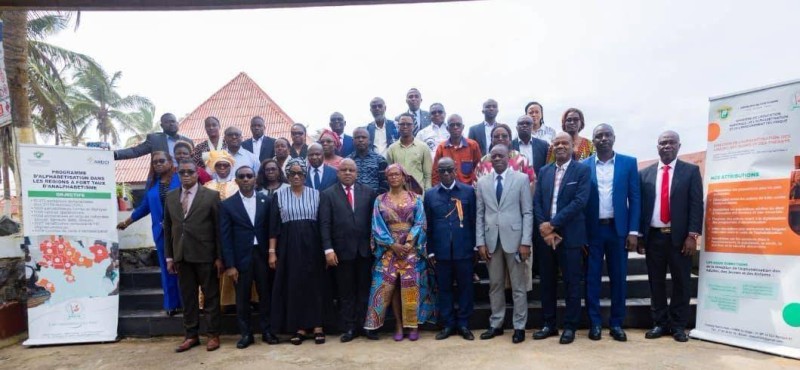
Listen now

La Côte d’Ivoire renforce son engagement en faveur de la valorisation des langues nationales au sein de son système éducatif.
Côte d’Ivoire unveils new education policy to empower national languages
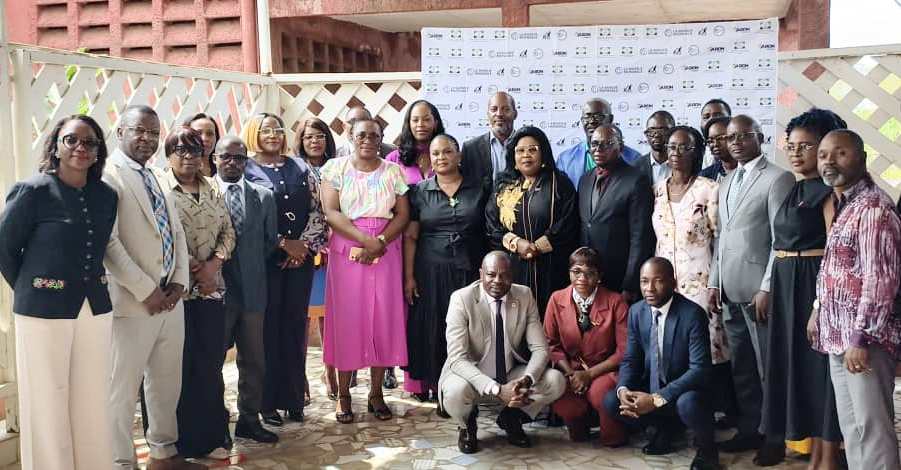
Côte d’Ivoire is embarking on a significant stride to elevate the status of its national languages within the educational framework. From July 10 to 12, 2026, a pivotal workshop convened in Grand-Bassam. This gathering served to present the findings of extensive field research and to pre-validate the draft Education Linguistic Policy project. The event was presided over by N’Guessan KOFFI, the Minister of National Education, Literacy, and Technical Education.
The assembly brought together key education sector officials, expert linguists, and technical and financial partners. Their shared objective was to establish a foundational reference framework for Côte d’Ivoire, facilitating the enhanced integration of indigenous languages into learning processes. This initiative is expected to significantly contribute to elevating the overall quality of instruction across the nation.
During the opening remarks, MAH Louhan Mamadou, Director of Adult Literacy and Youth Education (DAAJE), extended gratitude to Minister N’Guessan KOFFI for his unwavering dedication to this crucial project. He lauded the focus placed on promoting national languages, recognizing them as an indispensable catalyst for national development and progress in African current affairs.
“Côte d’Ivoire boasts a remarkable linguistic diversity, a cultural heritage that must be preserved to, among other goals, enhance the quality of education. The development of this Education Linguistic Policy is firmly rooted in this dynamic,” he articulated, emphasizing the importance of safeguarding this invaluable legacy while harnessing it to serve educational advancement.
Representing the Minister, DIOMANDÉ Mabintou spouse CHERIF, Inspector General and Secretary General of the General Inspectorate, conveyed the government’s appreciation to the technical and financial partners for their consistent support in strengthening the Ivorian education system.
She underscored the complex challenges confronting educational systems amid profound global transformations. According to her, improving learning quality, mitigating inequalities, fostering inclusion, and preparing youth for economic, social, technological, and cultural shifts demand educational policies that are deeply anchored in national realities and reflect sound African governance principles.
“Language is precisely one of these precious resources,” she asserted, affirming that embracing national languages is a decisive factor in making education more accessible and culturally relevant to local contexts. This approach is vital for enhancing learning across the continent.
The strategic implications of this workshop’s conclusions are highly anticipated. They are expected to finalize a comprehensive linguistic policy document designed to guide the use and adoption of languages throughout the Ivorian educational landscape. Ultimately, this pioneering initiative aims to transform national languages into a powerful driver for inclusion, academic success, and the preservation of cultural heritage, thereby bolstering the effectiveness of learning for future generations.
The assembly brought together key education sector officials, expert linguists, and technical and financial partners. Their shared objective was to establish a foundational reference framework for Côte d’Ivoire, facilitating the enhanced integration of indigenous languages into learning processes. This initiative is expected to significantly contribute to elevating the overall quality of instruction across the nation.
During the opening remarks, MAH Louhan Mamadou, Director of Adult Literacy and Youth Education (DAAJE), extended gratitude to Minister N’Guessan KOFFI for his unwavering dedication to this crucial project. He lauded the focus placed on promoting national languages, recognizing them as an indispensable catalyst for national development and progress in African current affairs.
“Côte d’Ivoire boasts a remarkable linguistic diversity, a cultural heritage that must be preserved to, among other goals, enhance the quality of education. The development of this Education Linguistic Policy is firmly rooted in this dynamic,” he articulated, emphasizing the importance of safeguarding this invaluable legacy while harnessing it to serve educational advancement.
Representing the Minister, DIOMANDÉ Mabintou spouse CHERIF, Inspector General and Secretary General of the General Inspectorate, conveyed the government’s appreciation to the technical and financial partners for their consistent support in strengthening the Ivorian education system.
She underscored the complex challenges confronting educational systems amid profound global transformations. According to her, improving learning quality, mitigating inequalities, fostering inclusion, and preparing youth for economic, social, technological, and cultural shifts demand educational policies that are deeply anchored in national realities and reflect sound African governance principles.
“Language is precisely one of these precious resources,” she asserted, affirming that embracing national languages is a decisive factor in making education more accessible and culturally relevant to local contexts. This approach is vital for enhancing learning across the continent.
The strategic implications of this workshop’s conclusions are highly anticipated. They are expected to finalize a comprehensive linguistic policy document designed to guide the use and adoption of languages throughout the Ivorian educational landscape. Ultimately, this pioneering initiative aims to transform national languages into a powerful driver for inclusion, academic success, and the preservation of cultural heritage, thereby bolstering the effectiveness of learning for future generations.
Follow updates :

 Boureima Amadou