Boureima Amadou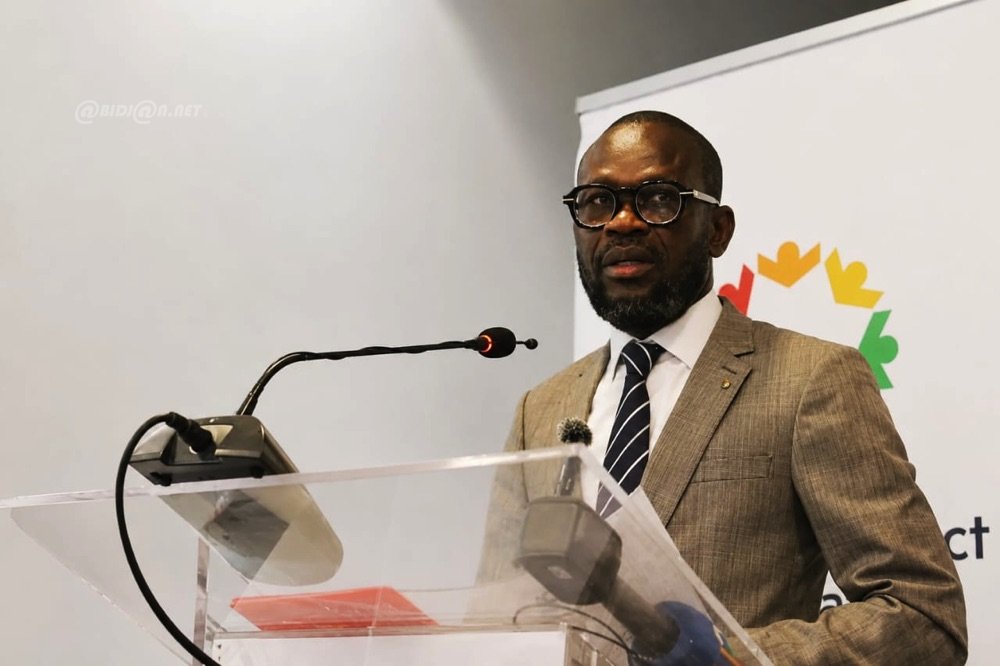
The Côte d’Ivoire is making its mark on the global stage by actively participating in the second session of the International Migration Review Forum (IMRF) at the United Nations headquarters in New York. Through this strategic engagement, the country is reaffirming its commitment to a migration governance framework rooted in cooperation, human dignity, and sustainable development.
This high-level gathering focuses on evaluating the progress of the Global Compact for Safe, Orderly and Regular Migration, adopted in 2018 in Marrakech. It brings together nations to address the complexities of human mobility worldwide.
Leading the Ivorian delegation, Dr. Hinin Moustapha, Director-General of the National Population Office (ONP), represented the Minister of Planning and Development, Dr. Souleymane Diarrassouba. During high-level sessions, he highlighted the country’s achievements in migration management and shared the Côte d’Ivoire’s commitments as a signatory of the Global Compact.
Key advancements highlighted include strengthening migration data systems, reducing vulnerabilities, combating discrimination, and fostering international cooperation. A notable focus was on migration statistics, where the country has undergone structural reforms to enhance data collection and analysis. The goal: reliable, up-to-date, and disaggregated information to guide evidence-based policymaking.
This commitment materialized in 2025 with a nationwide migration survey, positioning Côte d’Ivoire as a leader in African migration governance and data-driven decision-making.
Beyond statistics, the country prioritizes migrant protection. Through integrated mechanisms and inclusive social policies, Côte d’Ivoire has bolstered support systems for migrants, ensuring better care and reintegration while reducing vulnerability.
Combating discrimination is another cornerstone of its strategy. Authorities have ramped up awareness campaigns and strengthened institutional frameworks to build a more inclusive society that upholds human rights.
The Ivorian delegation also advocated for international cooperation based on solidarity and shared responsibility. In their view, migration challenges require collective action among countries of origin, transit, and destination.
The participation in the IMRF reflects Côte d’Ivoire’s evolving perspective on migration. Rather than viewing human mobility solely as a security or social challenge, the country now sees it as a strategic opportunity for economic, cultural, and human development.
Rooted in its tradition of hospitality and openness, Côte d’Ivoire remains dedicated to shaping migration policies that promote shared prosperity, human dignity, and solidarity among nations.


 Mariama Hamani