Boureima Amadou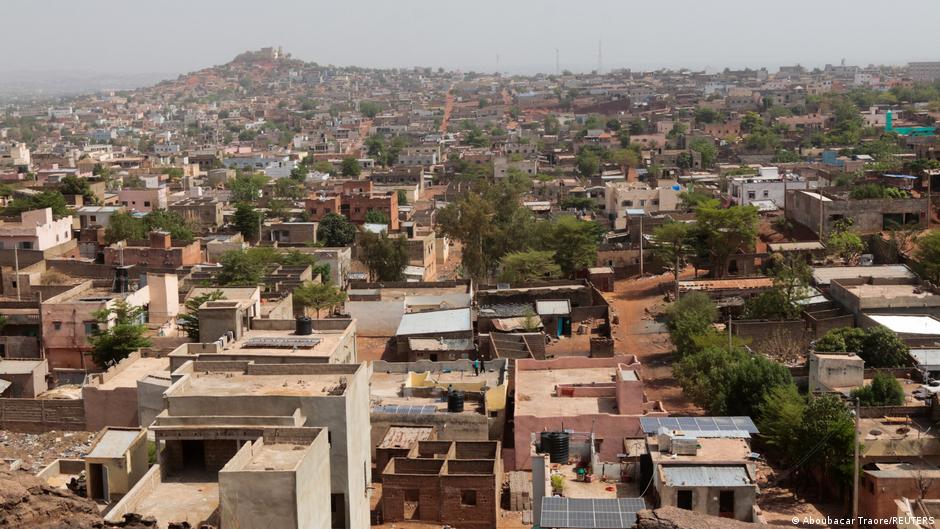
The Mali transportation crisis deepens as jihadist factions sever key routes leading to Bamako, leaving travelers stranded and supply chains disrupted. The blockade, enforced by the Group to Support Islam and Muslims (JNIM), follows coordinated attacks on April 25 that targeted multiple regions, prompting militant retaliation through road closures and vehicle burnings.
escalating transport chaos
In the past week, militants torched over a dozen commercial vehicles en route to the capital, including trucks laden with goods. Transportation companies operating between Bamako and neighboring countries like Mauritania now face severe delays. Some operators have suspended services entirely, while others attempt risky cross-border routes under military escort when available.
One traveler, Mody (pseudonym for security reasons), recounted his grueling 96-hour journey from Nouakchott to Bamako:
« We left Nouakchott last Thursday at 7 AM, reaching the border town of Gogui by 11 PM. The drivers warned us the route was too dangerous. We spent Thursday, Friday, and Saturday nights stranded at the checkpoint. Sunday morning, we were told an army convoy would escort us. After hours of waiting, we departed without military protection, only to learn that earlier buses had been forced to turn back by JNIM militants. »
The blockade has stranded nearly a dozen company buses in neighboring countries, with two vehicles confirmed destroyed in weekend arson attacks on national highways.
Bamako-bound travelers face indefinite delays
Passengers trying to reach Bamako from central cities like Ségou face even longer ordeals. Seyba, a 60-year-old traveler from Ségou, has waited nearly seven days for a bus ticket:
« I came to present condolences for a family member’s passing, but no buses are operating. Other companies gave the same excuse—dangerous roads. I’ve checked four different transport services. If I can’t find a way back, I’ll stay with relatives in Bamako until the situation improves. »
A company manager, speaking off-record, revealed that five of his buses were burned by militants last Saturday. The company has since halted all services to and from Bamako, citing safety concerns.
economic ripple effects
The disruption extends beyond passenger travel. Supply chains relying on road transport are severely impacted, with delays affecting food, medical supplies, and fuel deliveries. The militant blockade, now in its second week, shows no signs of easing, leaving both civilians and logistics operators in limbo.


 Mariama Hamani