Mariama Hamani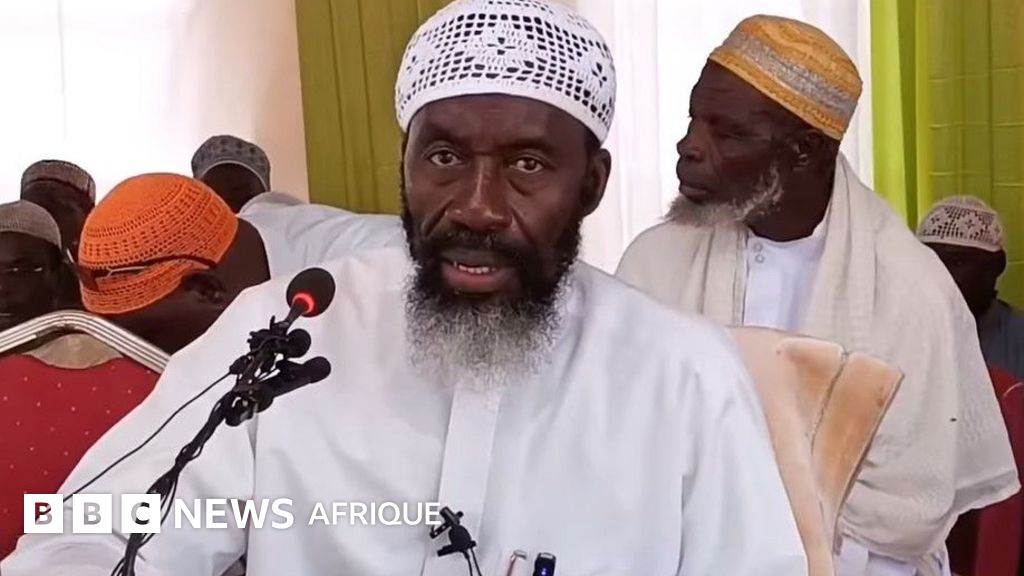
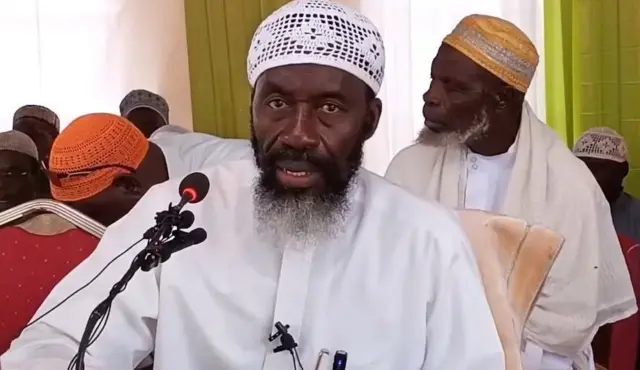
A few hours after the arrest of Mohamad Ishaq Kindo, Burkina Faso’s leading Sunni imam and president of the country’s Sunni Scholars Association, the nation finds itself deeply divided.
Kindo was taken into custody Tuesday afternoon in Ouagadougou under unclear circumstances, just two days after he publicly criticized the newly adopted religious freedoms bill passed by lawmakers in March. The Federation of Islamic Associations of Burkina (FAIB) immediately issued a statement expressing concern over his disappearance and demanded urgent clarification from the authorities.
The arrest occurred at around 2:00 PM local time, on the eve of Eid al-Adha, a major Muslim holiday. Witnesses described a violent operation involving masked security personnel—both police and military—sparking immediate resistance from nearby worshippers. According to a close associate, several civilians were injured during the confrontation.
Public outcry and calls for calm
Within hours, hundreds of people gathered in the capital to protest the detention of the respected religious leader. Demonstrators marched through the streets of Ouagadougou, demanding his immediate release. Authorities responded by dispersing the crowd with tear gas, further inflaming tensions.
The FAIB swiftly urged the Muslim community to remain calm and avoid any actions that could escalate the situation. The imam’s arrest has resonated strongly across the country, with many questioning the timing and motives behind his detention.
No official explanation, rising tensions
Despite widespread speculation, no government spokesperson has commented on the case. Meanwhile, President Ibrahim Traoré addressed the nation on social media following Eid prayers, emphasizing the state’s commitment to combating terrorism and warning against any attempts to destabilize national security.
“Those who seek to undermine our security forces or disrupt the nation’s progress will face the full consequences of their actions,” he declared. Yet, no mention was made of Kindo’s arrest or the controversial religious law he criticized.
What sparked the controversy?
The religious freedoms bill, adopted in late March, aims to regulate religious practices and curb online hate speech and extremism. It prohibits the construction of places of worship in public institutions—with limited exceptions for hospitals, prisons, and military barracks.
While authorities claim the law is necessary to prevent radicalization and preserve national cohesion, critics argue it restricts religious expression and targets dissenting voices. Kindo’s arrest comes just days after a viral recording of his sermon, in which he condemned the law and warned authorities to reflect on the impact of their decisions.
“No one has the power to ban public prayers—whether you are a leader or in power,” he stated firmly. His words now echo louder in a nation grappling with political and social unrest.
Broader implications for Burkina Faso
Since taking power in a 2022 coup, Captain Ibrahim Traoré’s military-led government has faced growing criticism for its handling of the jihadist insurgency. While authorities justify their tough stance as essential for national security, incidents like Kindo’s arrest raise concerns about the shrinking space for free expression in Burkina Faso.
The country remains under military rule, with Traoré at the helm, as security challenges continue to dominate public discourse.


 Boureima Amadou