Mariama Hamani
Following its recent meeting with Burundian President Évariste Ndayishimiye, the Coalition Article 64 (C64), dedicated to defending the constitutional order, reported back on its visit to Bujumbura this Thursday, July 9, 2026.
Accused of compromising their principles in favor of a closer relationship with the Tshisekedi administration, key figures within the C64 were quick to offer reassurances. Martin Fayulu and his allies clarified that they did not initiate the encounter with President Ndayishimiye. Instead, they stated that the Burundian leader, acting in his capacity as the current Chairperson of the African Union, took the initiative to invite them. While open to their host’s proposals for prioritizing political dialogue and fostering national cohesion, the coalition’s leaders embraced the general concept but stipulated clear prerequisites.
According to the C64, any authentic political dialogue hinges on several conditions: a public and definitive abandonment of any proposed constitutional amendments, the immediate release of all political prisoners, an end to politically motivated judicial proceedings, and the full restoration of public liberties. Although expressing a willingness to engage in discussions, the C64 leaders firmly stated that certain fundamental principles remain non-negotiable.
These non-negotiable tenets include, crucially, unwavering respect for the Constitution, adherence to the rule of law, and upholding the sovereignty of the Congolese people. They argue that the persistent stagnation in the Democratic Republic of Congo’s political landscape stems from previous peace initiatives failing to address the deep-seated political dimensions of the crisis, leaving core issues unresolved.
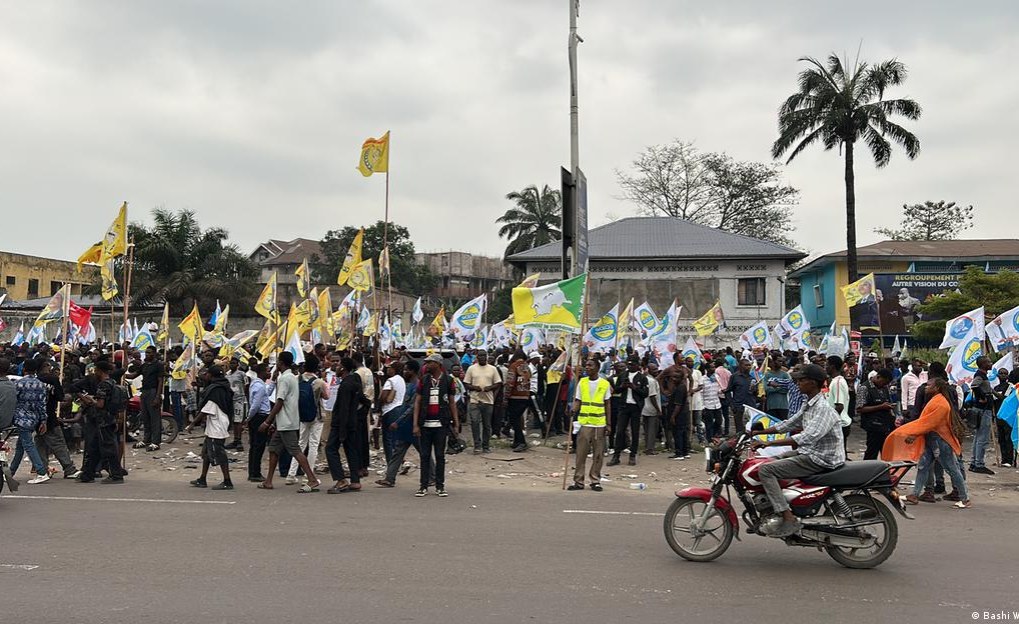
For the C64, the Tshisekedi regime’s proposed constitutional changes, particularly amidst the current conflict and occupation of national territory, represent a critical political challenge that demands immediate resolution. In this context, they reiterated their staunch opposition to any constitutional revision project, advocating instead for the strict preservation of institutional order. These demands will be central to their peaceful march scheduled for July 22, heading towards the Palais de la Nation, where they intend to call for the resignation of President Félix Tshisekedi, whom they accuse of having betrayed his constitutional oath.

 Boureima Amadou