Boureima Amadou
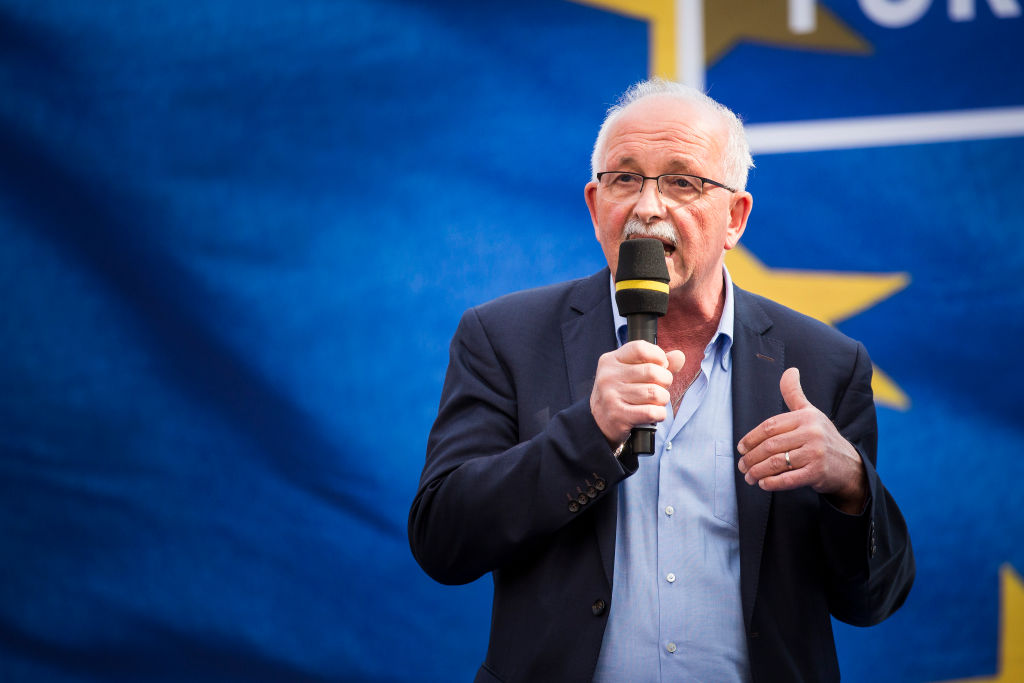
Senegalese authorities should use European Union development funds to purchase Chinese buses if the arrangement benefits local workers, according to Udo Bullmann, a leading socialist member of the European Parliament.
A European procurement worth more than 300 million euros, covering the supply of buses and related infrastructure in Dakar, has triggered controversy as the contract appears poised to go to a Chinese state-linked company previously found guilty of violating EU foreign subsidy rules.
While European officials and lawmakers have criticised this outcome — one even calling it “madness” — Bullmann stated he would support granting EU funds to a Chinese state-linked firm provided it advantages the Senegalese workforce.
“The criterion is skilled African labour and the creation of African added value,” Bullmann said on Monday in Brussels.
Last June, during a Senegalese government visit to China, the two nations agreed to build a bus assembly plant in Senegal.
As long as the selected bidder employs local personnel, the MEP said he is unconcerned about the Chinese offer.
“It makes no difference to me,” he asserted, though he admitted he does not know the specifics of the Senegalese project.
“I welcome investors who invest in Africa and train African labour to higher standards,” he added. “That is what makes all the difference.”
Bullmann, who chairs the European Parliament’s delegation to South Africa, is coordinating this week’s African Days organised by socialists in Brussels, gathering African policymakers and decision-makers. He argued that Europe is the best alternative for Africa.
“If you want exploitation, you turn to the Chinese. If you want political repression, you turn to the Americans. If you want friendship, you turn to the Europeans,” Bullmann declared.
EU development chief Jozef Síkela said in May that “measures to strengthen European preference” would be integrated into future EU development aid projects — a stance Bullmann rejects.
“A rule giving preference to local production is necessary. That is what matters most,” Bullmann said, adding that EU-backed tenders should prioritise African products.
Barry Andrews, chair of the European Parliament’s development committee, also said Senegalese authorities should choose the offer that suits them best, as he previously indicated. “Essentially, you are asking Senegalese to pay twice as much,” Andrews noted, referring to the fact that CRRC’s bid is less than half that of Scania, the only European competitor in the tender.


 Mariama Hamani