Mariama Hamani
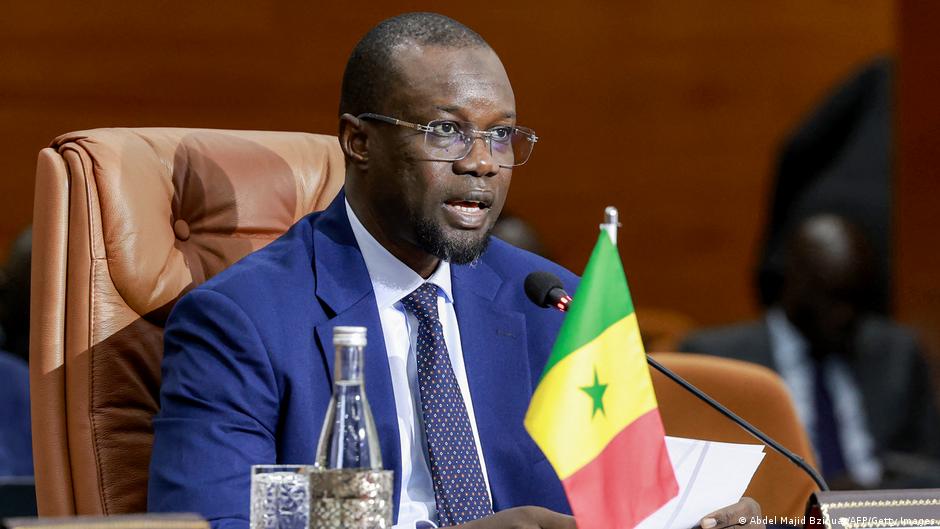
challenging Ousmane Sonko in Senegal: a risky move
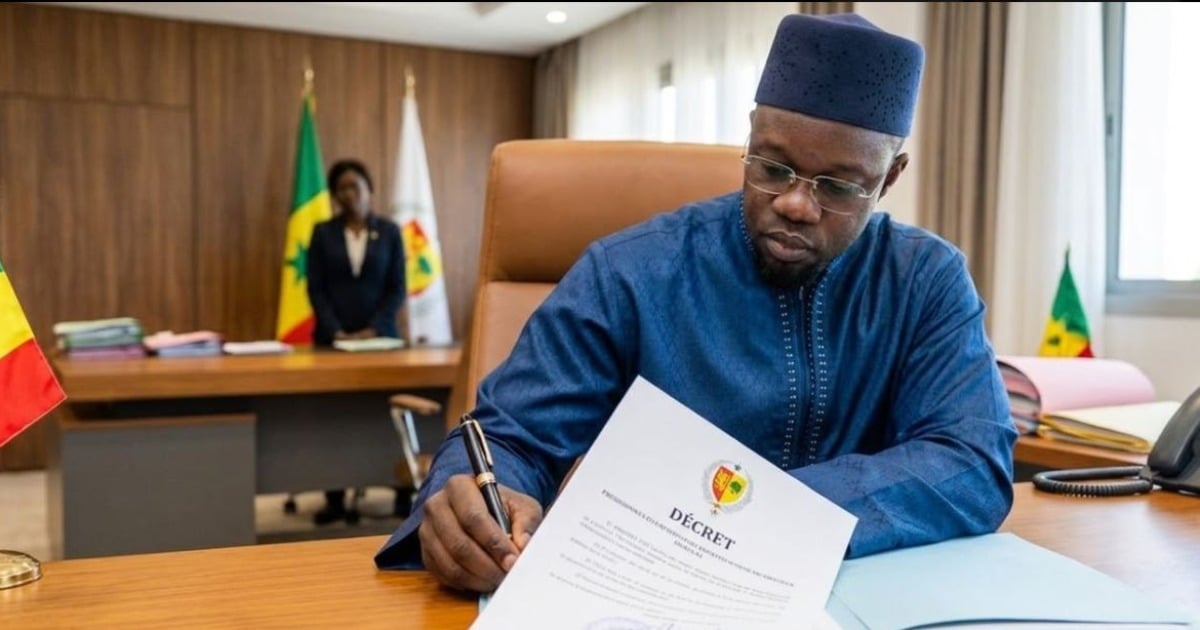
Public criticism of Ousmane Sonko in Senegal has become increasingly rare. The main reason? The fierce reactions from his supporters online, which extend far beyond digital spaces. Civil society leaders and journalists report growing intimidation tactics targeting anyone who openly challenges Sonko’s policies or statements. This climate of fear has led many to self-censor, avoiding direct criticism to prevent online harassment or worse.
Since taking office as Prime Minister in early April 2024, Sonko has made no secret of his disdain for unchecked press freedom. His remarks have been blunt: “We will no longer allow media outlets to publish whatever they want about individuals under the guise of press freedom, especially when sources are unreliable.”
undermining judicial independence
Sonko has also repeatedly questioned the integrity of Senegal’s judicial system. In November 2025, during a public meeting, he accused certain magistrates of obstructing financial investigations—a direct reference to the entrenched “system” he has long opposed. These statements sparked outrage among legal professionals, who view them as an attack on judicial autonomy.
setbacks for women’s rights
Beyond political tensions, women’s rights advocates highlight concerning regressions. Ossama Monique Sagna, a prominent Senegalese feminist activist, points to the stagnation of key reforms. Despite the Law on Parity being in place since 2010, its implementation remains weak. Recent government reshuffles have only deepened concerns:
- Macky Sall’s final cabinet included seven women ministers.
- Ousmane Sonko’s short-lived administration reduced this number to four—just 13% of the cabinet.
Sagna emphasizes that structural progress has stalled: “We’re still demanding reforms to the Family Code, which continues to uphold discriminatory provisions. The Maputo Protocol’s promises on reproductive rights and protections against gender-based violence remain unfulfilled. Feminicides and gender-based attacks are surging—18 cases were reported in 2025 alone—yet government responses have been inadequate.”
For many, the combination of political repression, judicial pressure, and stalled social reforms paints a worrying picture of Senegal’s democratic trajectory under Sonko’s influence.

 Boureima Amadou