Boureima Amadou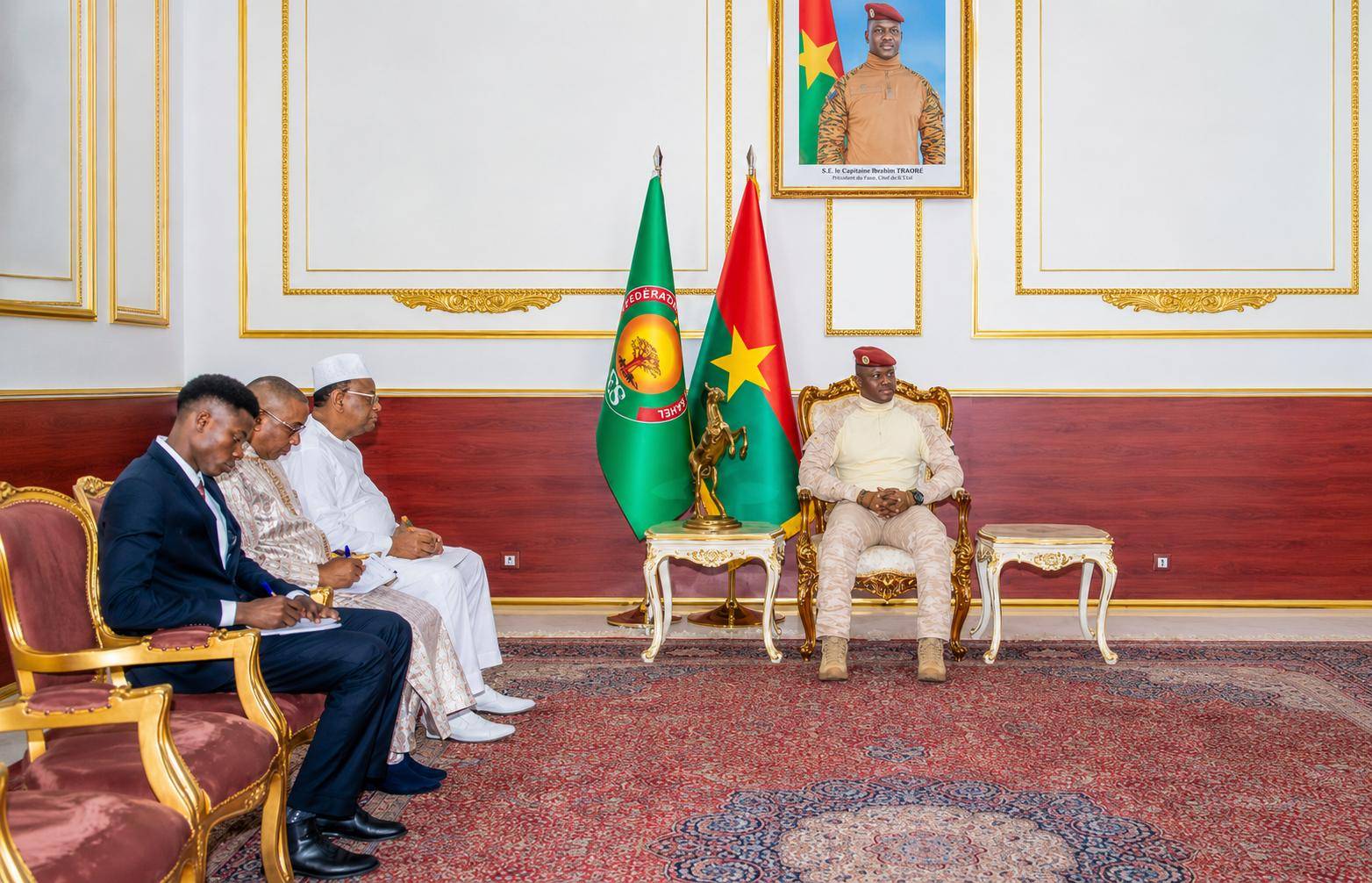
When Lansana Kouyaté, the Economic Community of West African States (ECOWAS) mediator for the Alliance of Sahel States (AES), arrived in Ouagadougou recently, he reignited the spotlight on regional diplomacy. Standing before Captain Ibrahim Traoré, the envoy championed a “necessary cooperation,” emphasizing an undeniable truth: geography and human ties cannot be severed by political decrees. While the regional body’s pragmatic approach shines through, it collides with deep-seated skepticism—fueled by a history of regimes that have repeatedly disregarded their commitments.
Why dialogue remains essential despite skepticism
The ECOWAS’s decision to pursue dialogue over confrontation reflects a commendable political maturity. Cutting ties abruptly would only deepen the crisis, especially for landlocked Sahel nations like Burkina Faso, Mali, and Niger, where over 70% of trade flows through coastal ECOWAS ports. Starving these populations—already battered by terrorism and poverty—would be a humanitarian misstep. The bloc’s refusal to penalize civilians for the actions of their leaders is both principled and necessary.
Another critical flaw in a hardline stance? It ignores the cross-border nature of the threat. Militant groups operating in the Sahel disregard national borders and treaties alike. A unilateral crackdown would leave these nations more vulnerable, not safer. The ECOWAS’s push for coordinated security efforts is a pragmatic attempt to salvage what little regional cooperation remains.
The shadow of broken promises: a systemic issue
Yet the ECOWAS’s optimism faces a harsh reality: a fundamental asymmetry in good faith. The military-led governments of the AES share a troubling pattern of unfulfilled pledges—both to the international community and their own people. What began as short transitions to restore democracy has stretched indefinitely under the guise of security imperatives.
International commitments: a fleeting commitment
ECOWAS has firsthand experience with agreements signed in Bamako or Ouagadougou, only to be discarded months later in the name of “reclaimed sovereignty.” Decades of painstaking regional integration efforts have been dismantled within weeks to appease populist rhetoric. Negotiating with partners who treat international law as optional is like building on quicksand—no foundation can endure.
The broken social contract: a betrayal of citizens
The gravest concern, however, is the betrayal of the Sahel’s own people. Once hailed as saviors restoring security and rebuilding states, the AES juntas now:
- Suspend political parties and suffocate civil society, silencing dissent under the pretext of national unity.
- Crack down on independent media and persecute critics, framing opposition as treason.
- Fail to curb the spread of violence, despite shifting geopolitical alliances.
In essence, the most basic duty of any state—to protect its citizens and uphold their freedoms—has been systematically violated.
Demanding more than empty words
The ECOWAS’s role in preserving dialogue and economic ties is undeniably vital. Abrupt isolation would only exacerbate suffering across the region. But the bloc must tread carefully. It cannot afford to legitimize de facto regimes that use negotiations solely to entrench their power.
Dialogue is essential—but only if it demands tangible, enforceable guarantees. Without such safeguards, this latest mediation effort risks repeating a familiar cycle: one of hollow promises followed by inevitable betrayal.


 Mariama Hamani