
 Boureima Amadou
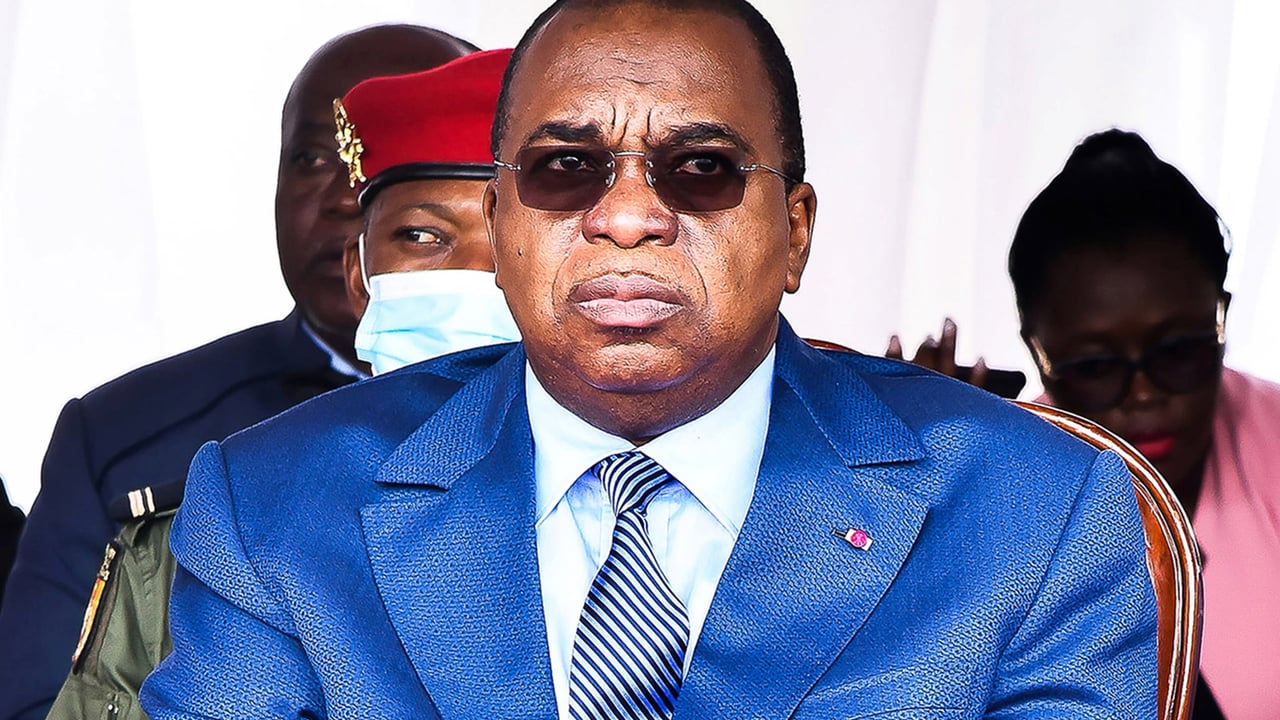

With Cameroon’s 2027 budget hanging in the balance, Finance Minister Louis-Paul Motaze is executing a high-stakes financial maneuver to avert a fiscal crisis. The government’s latest proposals—unveiled under intense scrutiny—represent a decisive turning point in the country’s economic trajectory, aiming to stabilize public finances while protecting household purchasing power.
From fiscal uncertainty to strategic overhaul
For months, Cameroon has grappled with a widening budget deficit, rising debt levels, and dwindling revenue streams. The 2027 budget proposal marks a deliberate shift from reactive measures to proactive financial restructuring. Motaze’s team is prioritizing three core pillars: debt sustainability, domestic resource mobilization, and targeted public spending.
The plan hinges on securing additional financing without over-relying on external borrowing—a move that could ease pressure on future generations. By leveraging domestic bond issuances and optimizing tax collection, the government aims to reduce its dependence on volatile commodity markets and unpredictable aid flows.
Domestic financing: the game-changer for 2027
The most striking element of Motaze’s strategy is the push for local funding solutions. The Finance Ministry is accelerating plans to issue CFA franc-denominated bonds on regional markets, targeting both institutional and retail investors. This approach not only diversifies funding sources but also strengthens Cameroon’s financial sovereignty.
Key initiatives include:
- Expanding the domestic bond market: Introducing longer-term instruments to attract pension funds and insurance companies.
- Tax policy reforms: Closing loopholes in corporate taxation while introducing incentives for SMEs to boost compliance.
- Public-private partnerships (PPPs): Fast-tracking infrastructure projects to stimulate private investment and job creation.
Balancing austerity with social protection
Critics warn that aggressive fiscal tightening could stifle economic growth and hurt vulnerable populations. Motaze’s response? A phased adjustment strategy that shields essential social services while gradually reducing non-essential expenditures.
The budget proposal includes measures to:
- Protect social spending: Ring-fencing allocations for healthcare, education, and social welfare programs.
- Targeted subsidies: Reforming fuel and utility subsidies to curb waste while supporting low-income households.
- Debt restructuring: Negotiating with creditors to extend maturities and lower interest burdens on existing debt.
Regional and international reactions
Cameroon’s financial overhaul has drawn attention from regional blocs like CEMAC and multilateral lenders such as the IMF. While some analysts praise the government’s boldness, others question the feasibility of such sweeping changes in a challenging global economic climate.
The IMF has signaled cautious optimism, emphasizing the need for transparency and accountability in implementing the reforms. Meanwhile, regional partners are closely monitoring Cameroon’s ability to meet its fiscal targets without triggering social unrest.
What’s next for Cameroon’s economy?
The coming months will be pivotal. Parliament must approve the budget by year-end, and Motaze’s team will need to demonstrate quick wins to build public and investor confidence. Success hinges on three critical factors:
- Execution speed: Avoiding bureaucratic delays that could derail the plan.
- Stakeholder buy-in: Ensuring cooperation from the private sector, labor unions, and civil society.
- Monitoring mechanisms: Establishing clear benchmarks to track progress and adjust strategies as needed.
If executed effectively, Cameroon’s 2027 budget could serve as a blueprint for fiscal resilience in Central Africa. But failure to deliver could plunge the country deeper into debt and economic stagnation.
Potential risks on the horizon
Even with a well-crafted plan, risks remain. Global economic headwinds—such as fluctuating oil prices and tightening monetary policies—could undermine Cameroon’s revenue projections. Additionally, political instability in neighboring countries may disrupt trade flows and investment flows.
The Finance Ministry is acutely aware of these challenges and has built contingency measures into the plan. However, the ultimate test will be Cameroon’s ability to adapt swiftly in an unpredictable global landscape.


 Mariama Hamani




