
 Mariama Hamani
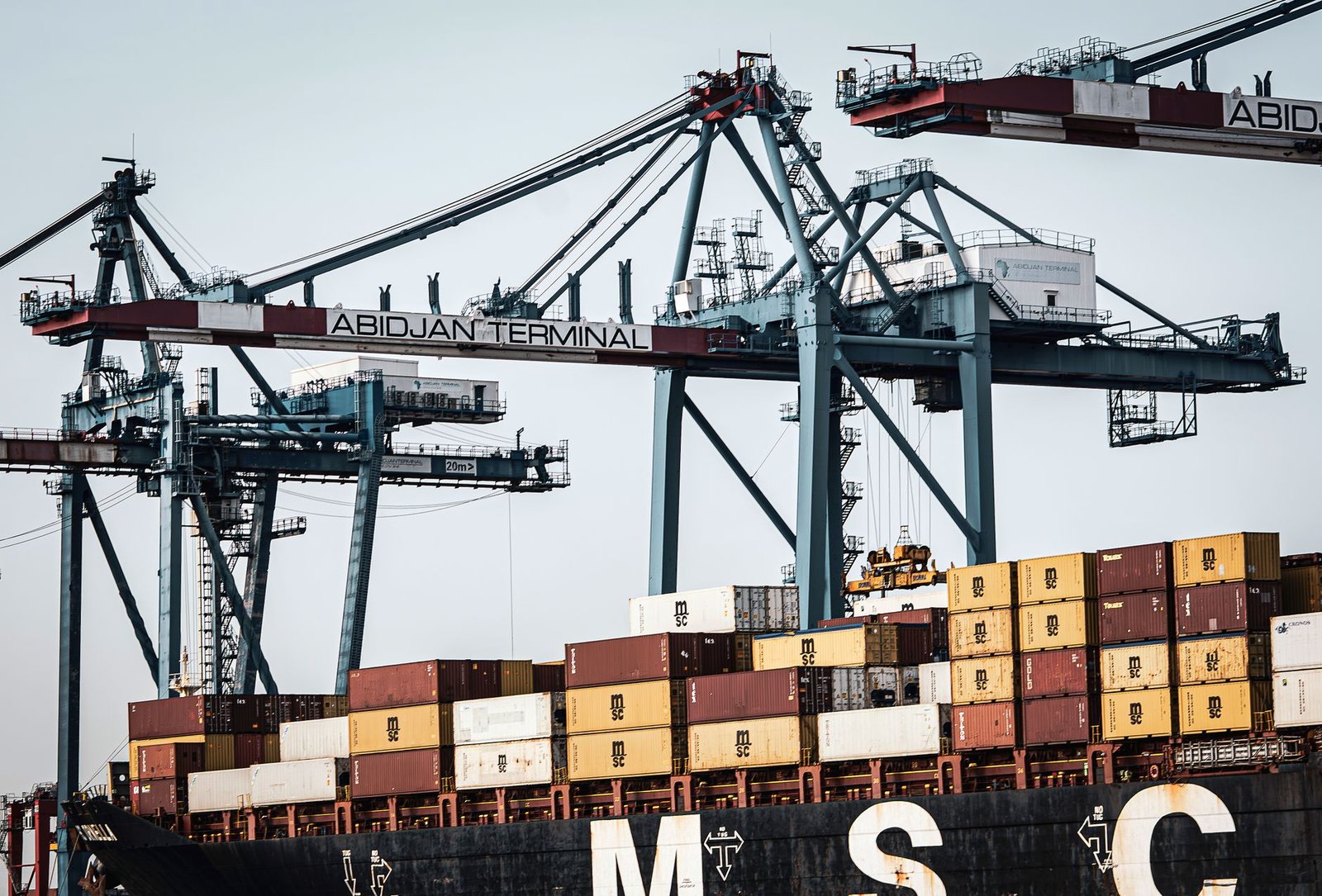
The Senegalese government has made a decisive break with the past by terminating the concession agreement for the Bargny mineral port, a critical infrastructure project located just 40 kilometers east of Dakar. The termination comes with a 4.752 billion West African CFA franc ($7.2 million) penalty against Leduc Sénégal, a subsidiary of a diversified industrial group operating across West Africa. This decision marks a strategic turning point in Senegal’s infrastructure management and signals a new era for regional logistics and mining trade.
Bargny port: the backbone of Senegal’s expanding port infrastructure
Since its inception in the early 2010s, the Bargny-Sendou port project has been envisioned as the solution to Dakar’s overburdened and landlocked port facilities. Launched in 2012 with an estimated investment of hundreds of billions of CFA francs, the port was designed to handle bulk solid cargo, hydrocarbons, and mineral exports—including zircon and phosphate—thus reducing pressure on the historic Dakar port. With the Port Autonome de Dakar processing around 20 million tons of goods annually, the need to redistribute bulk cargo to Bargny has long been recognized as a strategic imperative.
West Africa’s port landscape is evolving rapidly, with competitors like Abidjan and Nouakchott expanding their capacities. Senegal’s bet on Bargny is part of a broader strategy to secure a larger share of regional trade flows, ensuring economic resilience and reducing reliance on single infrastructure nodes.
President Faye’s administration drives contract overhaul
The termination of the Leduc Sénégal concession is not an isolated event but part of a sweeping initiative under President Bassirou Diomaye Faye to reassess legacy contracts across key sectors such as hydrocarbons, mining, and public concessions. Since assuming office in April 2024, the administration has emphasized the recovery of what it describes as state revenues that were previously diverted or underutilized. This policy shift mirrors actions taken elsewhere in the region, including Niger and Mali, where transitional governments have also sought to renegotiate or terminate mining and infrastructure contracts to reclaim national sovereignty over resource rents.
Sending a clear message to foreign investors
The $7.2 million penalty imposed on Leduc Sénégal is more than a financial sanction—it is a statement. The amount, which exceeds the annual turnover of many medium-sized regional port enterprises, reflects a firm stance against non-compliance with contractual obligations. These can include unpaid royalties, failure to invest in infrastructure upgrades, or deviation from established operational guidelines. The message is clear: Senegal is reasserting control over its critical assets and setting a precedent for all concessionaires operating within its borders.
Regional implications in a competitive port landscape
The decision arrives at a pivotal moment for West Africa’s Atlantic port sector. In 2024, DP World expanded its presence in Senegal through the future Ndayane port, inaugurated in January 2022 with an announced investment of over 1,100 billion CFA francs. While this project strengthens Senegal’s long-term capacity, the role of Bargny, Ndayane, and the original Dakar port must now be redefined within a unified national strategy. Clarity in this tripartite infrastructure framework is essential to avoid duplication and ensure efficient resource allocation.
For Leduc Sénégal, legal recourse remains available. The company may pursue commercial arbitration or initiate administrative litigation in Senegalese courts. The outcome will be closely watched by other regional operators, who will assess the government’s resolve in enforcing contractual compliance, as well as by international financiers backing new port infrastructure across West Africa.






