
 Mariama Hamani
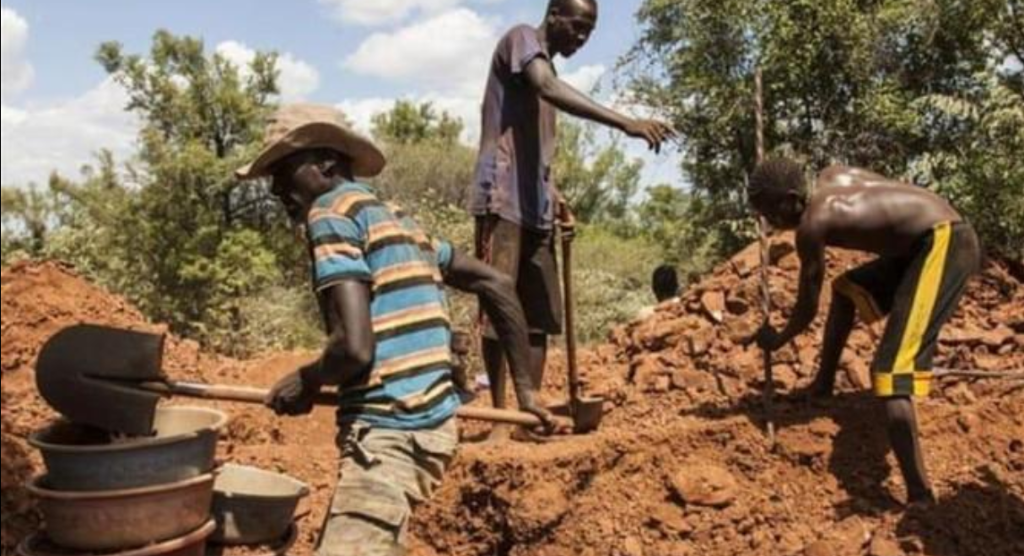
Escaping terrorism, violence, and economic despair, thousands of Burkinabe gold miners sought refuge in Guinea’s artisanal mining sectors. But their fragile hope was shattered when Guinean authorities launched sweeping expulsions of foreign miners, leaving them stranded without income or prospects. Now, as these miners are forcibly returned to Burkina Faso, they confront a stark reality: a home country still grappling with insecurity, economic collapse, and limited reintegration opportunities.
From exile to expulsion: the harsh turn of fate for Burkinabe miners
For many Burkinabe miners, the journey to Guinea wasn’t about chasing wealth but survival. With Burkina Faso mired in a security crisis marked by terrorist attacks, looting, and state-led abuses, entire communities faced starvation and displacement. Artisanal mining in Guinea’s gold-rich regions—particularly around Siguiri—offered a lifeline, allowing miners to send remittances home and sustain their families despite grueling conditions.
Yet this fragile stability was abruptly erased when Guinean authorities cracked down on irregular foreign miners. While Conakry has the sovereign right to regulate its mining sector, the expulsions—allegedly accompanied by human rights violations—have left thousands of Burkinabe miners with no safety net. The immediate fallout? The loss of their primary income source, plunging families into deeper financial distress.
The impossible homecoming: what awaits returning miners in Burkina Faso?
Returning to Burkina Faso isn’t the end of their struggles—it’s the beginning of a new set of challenges. Many miners originate from villages still under siege by armed groups, where fields lie fallow and homes stand abandoned. Others may seek refuge in overcrowded displacement camps, where access to food, shelter, and healthcare is already scarce. The arrival of destitute returnees risks overwhelming already strained resources, fueling resentment among host communities.
Key questions loom large: How will these miners rebuild their lives with dwindling savings? Can they reintegrate into shattered local economies? And for those barred from returning to their villages, what alternative paths exist?
From poverty to peril: the recruitment risk in a fractured nation
Poverty alone doesn’t breed terrorism, but in a climate of prolonged conflict and despair, it creates fertile ground for recruitment. Armed groups frequently exploit economic vulnerability, offering money, protection, or a twisted sense of purpose to disillusioned youth. For a miner uprooted from his livelihood and severed from his community, the temptation to join such groups—or even petty crime—becomes harder to resist.
The danger isn’t hypothetical. Burkina Faso’s security crisis has already shown how desperation can push marginalized individuals toward extremist factions. Without urgent intervention, these returnees could become collateral damage in a cycle of violence they once fled.
Turning crisis into opportunity: pathways for reintegration and recovery
For Burkina Faso’s government, the return of these miners presents a pivotal moment—not just a crisis to manage, but an opportunity to address systemic gaps. A robust reintegration strategy could mitigate long-term risks and restore hope. This would require:
- Targeted support: Identifying returnees by origin, assessing their security risks, and prioritizing those unable to return home due to ongoing threats.
- Emergency relief: Providing temporary cash assistance, food aid, and medical support to prevent destitution.
- Skill development: Offering vocational training or seed funding for alternative income-generating activities, such as agriculture or small trade.
- Community collaboration: Partnering with local leaders and humanitarian groups to integrate returnees without exacerbating tensions.
Diplomatically, Burkina Faso must also engage Guinea to ensure future expulsions—if they occur—adhere to human rights standards. Collective bargaining with Conakry could prevent further humanitarian fallout while upholding the dignity of Burkinabe migrants.
The path forward: rebuilding lives or deepening despair?
The true test for Burkina Faso lies not in repatriating its citizens, but in giving them a future worth staying for. These miners didn’t choose exile lightly; they sought safety and sustenance. Now, their return must not mark the beginning of another descent into hardship. Instead, it should signal a commitment to inclusive recovery—one that leaves no one behind.
The alternative—a failure to act—would be catastrophic. Abandoned returnees could swell the ranks of displaced populations, feed the insurgency’s recruitment pool, and further destabilize an already fragile nation. Burkina Faso’s leaders must act decisively, or risk turning this turning point into an irreversible tragedy.



 Boureima Amadou





