Mariama Hamani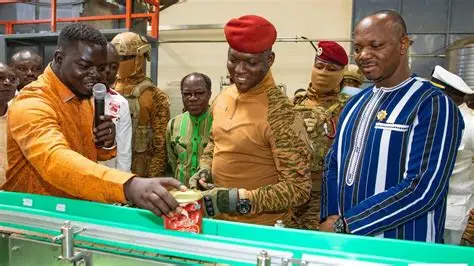
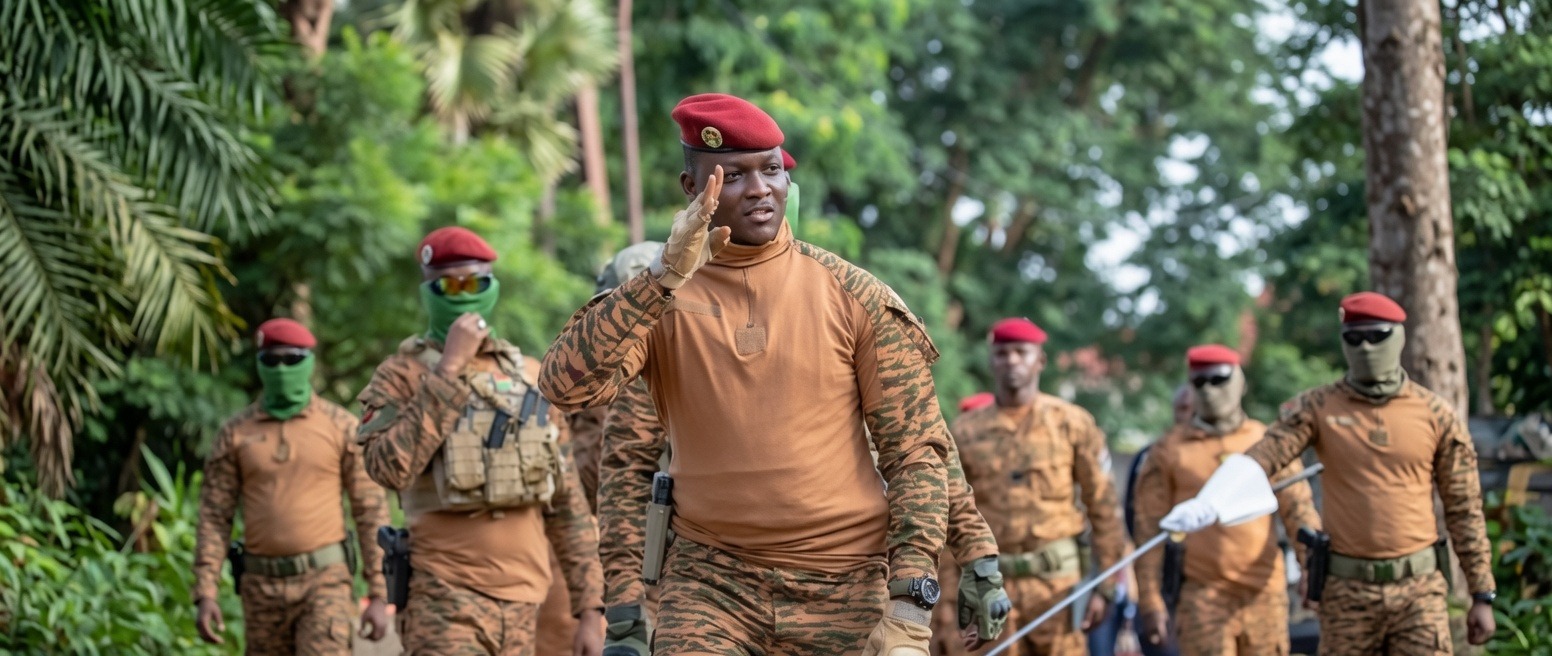
The captain Ibrahim Traoré has spent recent months unveiling new industrial sites across Burkina Faso, from tomato processing plants to gold refineries. While state media amplifies each inauguration as a milestone toward national emergence, the underlying reality tells a starkly different story. Beneath the polished broadcasts of the RTB, the nation grapples with deepening security and economic crises that no amount of political messaging can conceal.
The Illusion of Progress Through Construction
The regime’s strategy hinges on a well-trodden narrative: the politics of grand projects. In Ouagadougou and Bobo-Dioulasso alike, the captain presents himself as the architect of economic revival, asserting that despite regional blockades and the withdrawal of Western partners, Burkina Faso is achieving self-reliance. The emphasis on local job creation and economic sovereignty is framed as a defiant stand against external interference. Yet, for independent analysts, these highly publicized groundbreakings resemble desperate theatrics rather than a coherent development blueprint.
The Fragility Behind Industrial Showcases
A closer examination of these so-called industrial triumphs reveals troubling ambiguities. While ribbon-cutting ceremonies draw global attention, critical details remain obscured—including the true sources of funding, the long-term operational viability of these facilities, and their actual production capacity. Worse still, allegations of financial impropriety swirl around the management of patriotic funds. Questions persist: Where does the money designated for both the war effort and industrial expansion truly go? Meanwhile, traditional private enterprises suffocate under crippling taxation and escalating insecurity, raising doubts about the fairness and transparency of state contract allocations.
A Nation Divided: Prosperity in Propaganda, Hardship in Reality
As official channels celebrate industrial progress, the lived experience of Burkinabè citizens grows increasingly dire. The cost of essential goods—rice, oil, millet—has skyrocketed, pushing basic survival beyond the reach of vulnerable households. The humanitarian toll is equally severe: over two million internally displaced persons languish under terrorist sieges, relying on sporadic and unreliable aid convoys. The informal economy, long the backbone of national commerce, lies in ruins, choked by erratic electricity supply and perilous road networks that paralyze trade.
Publicity Over Policy: The Limits of State Narrative
The disconnect is glaring: meticulously produced videos depict gleaming machinery and a resolute leader, while families struggle to afford education and soldiers operate under brutal conditions with minimal resources. The image of a ‘thriving Burkina Faso’ is, at best, a carefully constructed media illusion—a desperate attempt to sustain hope and silence dissent. Yet, propaganda has its limits, and reality is unforgiving. A nation cannot be fed on the rhetoric of self-sufficiency if its fields are inaccessible and its newly inaugurated factories exist only in television frames.
The captain’s gamble rests on perception. By insisting—against all evidence—that progress is underway, he risks severing the last ties of trust between government and people. Industrialization remains a noble aspiration, but it cannot be erected on shifting sands. Without verifiable financial transparency and tangible territorial security, every presidential announcement will remain what it is: a fleeting mirage in the harsh Sahelian landscape.