Mariama Hamani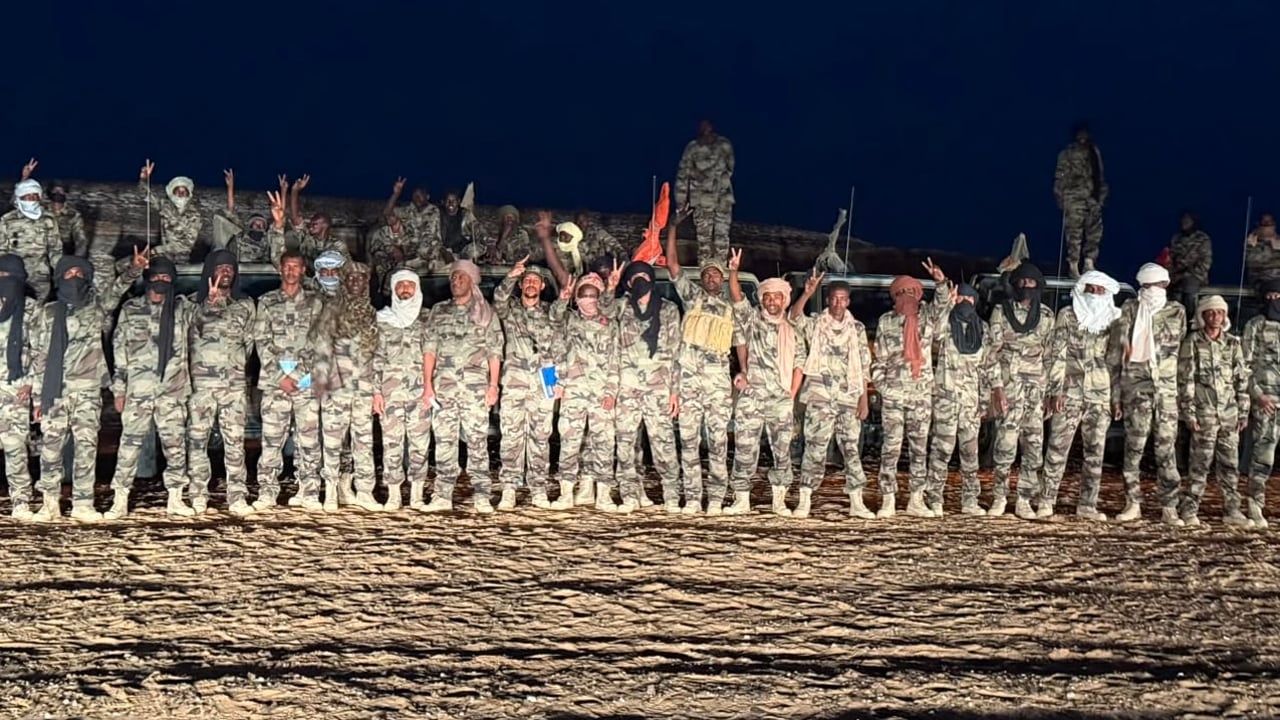
The recent release of influential Nigerien opposition figure Mahmoud Salah has reignited tensions in the country, as his armed faction, the Front pour la Libération du Peuple (FPL), has vowed to challenge the authority of General Abdourahamane Tiani.
The announcement comes after weeks of intensified diplomatic pressure and internal debates over the legitimacy of Niger’s transitional leadership. Salah, a prominent voice in the resistance movement, was detained for over a year before his unexpected liberation sparked immediate reactions across the political and military spectrum.
From detention to defiance: Mahmoud Salah’s return
The liberation of Mahmoud Salah has sent ripples through Niamey’s corridors of power. Once a vocal critic of the military junta, his freedom signals a potential shift in the balance of power. Observers note that his release could either ease tensions or further destabilize the fragile governance structure.
Within hours of his release, Salah made clear his intentions. In a statement delivered to his supporters in Ahahi, he declared, “The fight for true democracy in Niger does not end with my freedom. It begins anew.” His words were met with both jubilation and caution, as the public grapples with the implications of his return.
FPL’s renewed vow to challenge Tiani’s regime
The FPL, a group long associated with armed resistance against what they term the “illegitimate” rule of General Tiani, has wasted no time in reasserting its position. In a communiqué released earlier this week, the faction outlined its plans to escalate actions against the transitional government, citing widespread discontent among civilians and military factions alike.
Local reports indicate that FPL cells have already begun mobilizing in key regions, including areas bordering Burkina Faso and Mali, where similar anti-junta sentiments run high. Military analysts warn that this development could escalate into a broader conflict, particularly if foreign interventions or regional alliances become involved.
Regional implications of the crisis
The unfolding events in Niger are being closely monitored across West Africa, where the Sahel remains a hotspot for instability. Neighboring countries, already grappling with their own security challenges, are assessing how this power struggle might impact regional stability. The Economic Community of West African States (ECOWAS) has reiterated calls for dialogue, though no concrete mediation efforts have been announced.
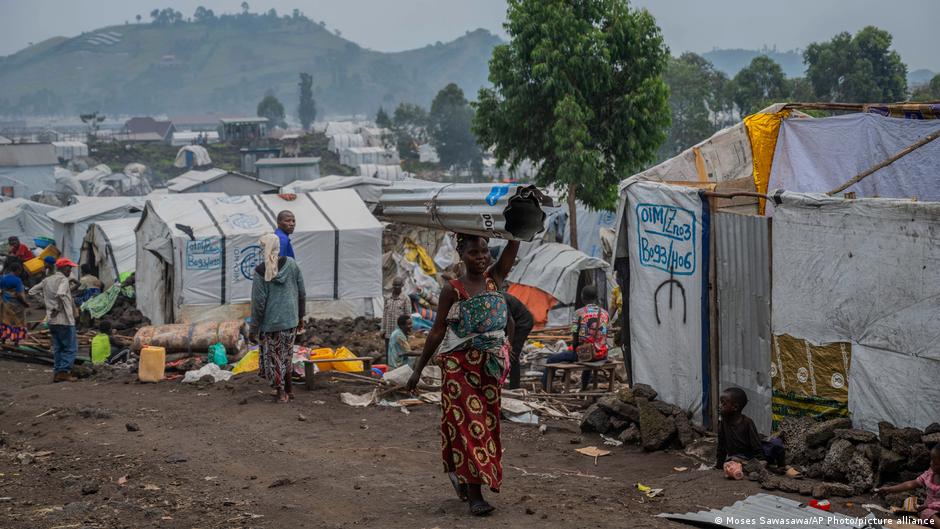
Meanwhile, international observers express concerns over the humanitarian fallout. With thousands displaced by recent violence, the potential for a larger-scale crisis looms large. Aid organizations are bracing for an influx of refugees, particularly from conflict zones where FPL operations are gaining traction.
What’s next for Niger’s political landscape?
As Mahmoud Salah reemerges as a central figure in the opposition, the coming weeks will be critical in determining the trajectory of Niger’s political future. Will his release pave the way for constructive dialogue, or will it embolden factions to take more drastic measures? The answers lie in the actions of both the military leadership and the resistance groups.
The international community, including former colonial power France, has called for restraint, urging all parties to prioritize a peaceful resolution. However, the path forward remains uncertain, with Salah and the FPL signaling that they are prepared to escalate their campaign against General Tiani’s transitional government.

 Boureima Amadou