theafricantribune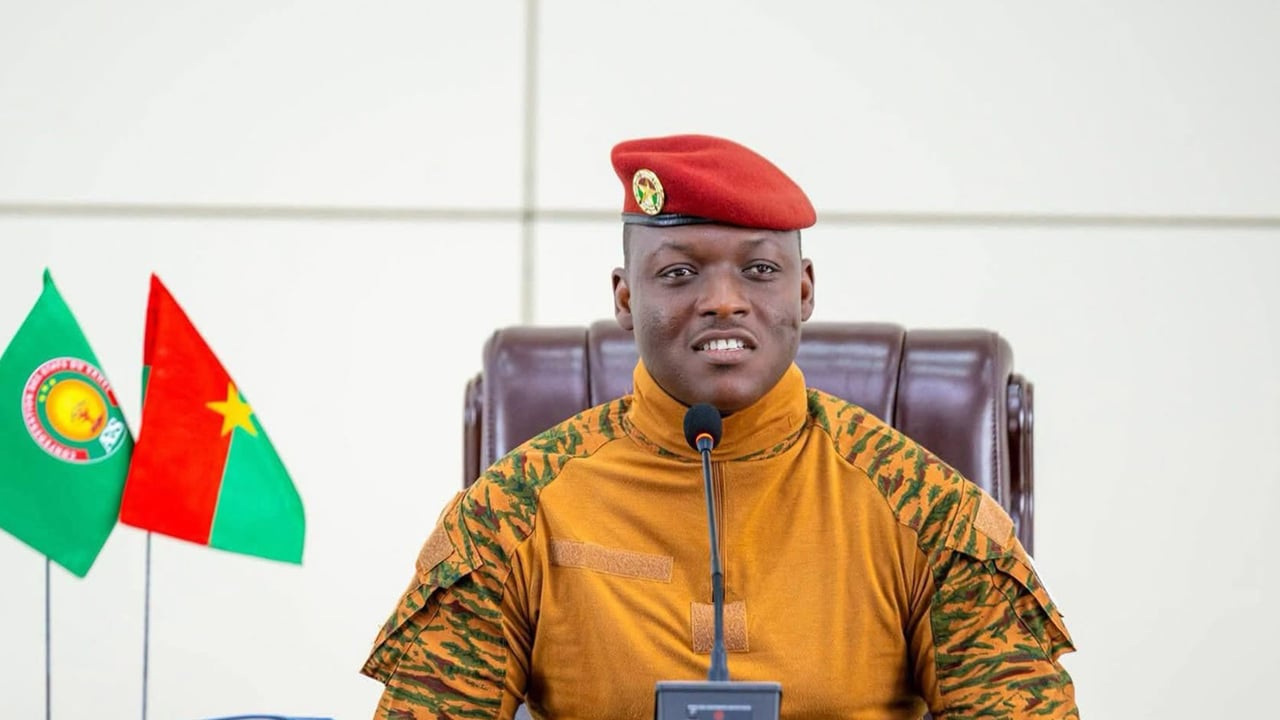
A sovereignty echo that reaches beyond the podium
When Burkina Faso’s Captain Ibrahim Traoré and France’s Marine Le Pen both talk about sovereignty, the words often sound alike — but the impact on daily life in the Sahel is where the story truly unfolds. For farmers in Bobo-Dioulasso, traders in Ouagadougou, and small businesses across the region, this convergence is not an abstract geopolitical debate. It translates into real consequences: shifting trade routes, changing security dynamics, and a redefinition of who gets to decide the rules.
How citizens feel the shift
The most immediate effect is psychological. Traoré’s repeated emphasis on national self-determination has struck a chord with a population weary of foreign military presence and external interference. Le Pen’s parallel rhetoric in France — focused on reclaiming national borders and rejecting supranational constraints — creates an unexpected mirror. For ordinary Burkinabè, seeing a French political figure echo similar themes can feel like validation, even if the motivations behind each discourse are worlds apart.
But there is also a practical dimension. When sovereignty becomes the organising principle, policies follow. Burkina Faso has already pivoted toward new partnerships, diversified its security alliances, and renegotiated terms of engagement with foreign forces. Each of these moves affects jobs, prices, and access to basic services. A farmer in the Sahel may not follow diplomatic statements, but he notices when fuel costs rise or when a road project stalls because international funding has been redirected.
The economic ripple effects
Businesses across West Africa are watching closely. The Alliance of Sahel States — bringing together Burkina Faso, Mali, and Niger — has begun to reshape regional trade and monetary discussions. For entrepreneurs, this means both risk and opportunity. On one hand, uncertainty around currency arrangements and cross-border regulations can freeze investment. On the other, a push for local production and regional value chains could open doors that were previously closed by external dependency.
In Burkina Faso specifically, the government’s sovereignist turn has been accompanied by calls for local consumption and support for domestic enterprises. If these policies are implemented consistently, they could gradually reduce reliance on imported goods and create a more resilient economy. But the transition is not painless. Short-term shortages, price volatility, and administrative friction are part of the package.
Security: the hardest test of sovereignty
No discussion of impact can ignore security. The Sahel remains a theatre of armed violence, and the decision to distance from traditional partners has consequences on the ground. Communities in northern Burkina Faso live with the daily reality of insurgent attacks and military operations. A sovereignty-first approach means taking full responsibility for defence — a heavy burden that requires resources, training, and intelligence capabilities that are not built overnight.
Citizens may support the principle of self-reliance, but they also expect protection. If the state cannot deliver security, the legitimacy of the sovereignist project erodes. This is the tension that will define the coming years: between the aspiration for independence and the urgent need for safety.
What it means for the wider region
The Traoré-Le Pen convergence is not an alliance in any formal sense. It is a discursive echo that reflects a broader global trend: the rise of sovereignty as a central political currency. Across Africa, leaders are increasingly rejecting external prescriptions and asserting their own path. In Europe, nationalist movements are doing the same, albeit from a different historical starting point.
For the Sahel, the stakes are particularly high. The region is young, growing, and rich in resources, but also fragile. How its leaders navigate the sovereignty question will determine whether it becomes a story of empowerment or isolation. Citizens and businesses alike are not passive observers — they are the ones who will live with the outcomes, for better or worse.
The bottom line for ordinary people
Sovereignty is not just a slogan. It shapes budgets, trade deals, security arrangements, and the price of bread. The convergence between Ibrahim Traoré and Marine Le Pen may be rhetorical, but its consequences are concrete. For the people of Burkina Faso and the broader Sahel, the coming years will reveal whether this turn delivers on its promises — or whether the gap between discourse and reality grows too wide to ignore.


 Boureima Amadou