Mariama Hamani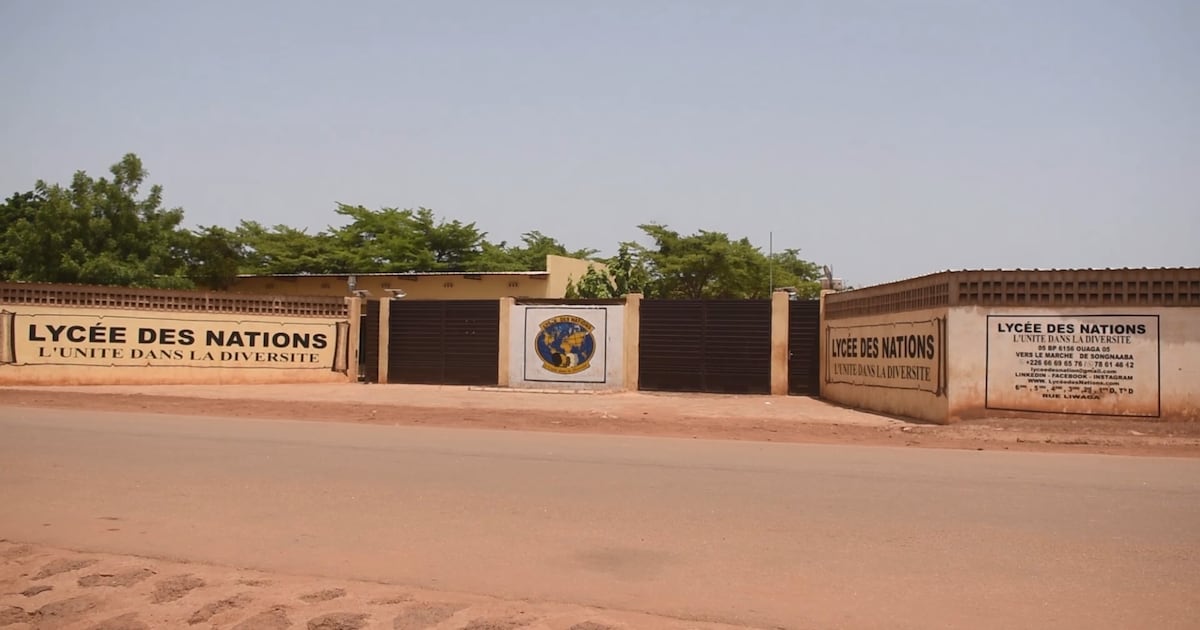
Burkina Faso is currently grappling with a proposed measure to regulate tuition fees in private educational institutions. This initiative has sparked varied reactions across the country, with many parents and students expressing hope for financial relief amidst rising living costs.
Alain Damiba, an artist and slameur, voiced strong support for fee caps, emphasizing the potential for significant relief for parents struggling to afford quality education for their children. He highlighted the urgent need for such oversight in the current economic climate.
However, opinions remain divided on the true impact of this regulation. While some believe it will directly alleviate financial pressure on households, others argue for a more fundamental approach, advocating for increased investment in public education infrastructure.
Giles Sawadogo, a father, underscored the financial strain on families. He explained that even a modest reduction, such as 10,000 FCFA, would be highly beneficial, given the unchanged salaries against a backdrop of widespread price increases for essential goods.
When queried about ideal fee structures, several individuals suggested an annual cap between 50,000 and 100,000 FCFA per child, varying by educational level and services provided. A more radical proposal championed completely free access to all educational establishments.
Bassirou Gnaboné, a Master I Taxation student, articulated a vision where free public schooling, particularly at the university level, should be the norm. He stressed the necessity for the nation to invest in more public schools and universities, especially technical ones. This, he argued, would create a more balanced educational landscape, compelling private institutions to re-evaluate their own tuition rates due to robust public competition.
Ultimately, many observers note that fee regulation alone will not fully address the systemic issues. They advocate for substantial state investment in constructing new public schools, recruiting more qualified teachers, and upgrading existing infrastructure. Such comprehensive measures could, in the long term, reduce families’ heavy reliance on the private sector.

 Boureima Amadou