Mariama Hamani
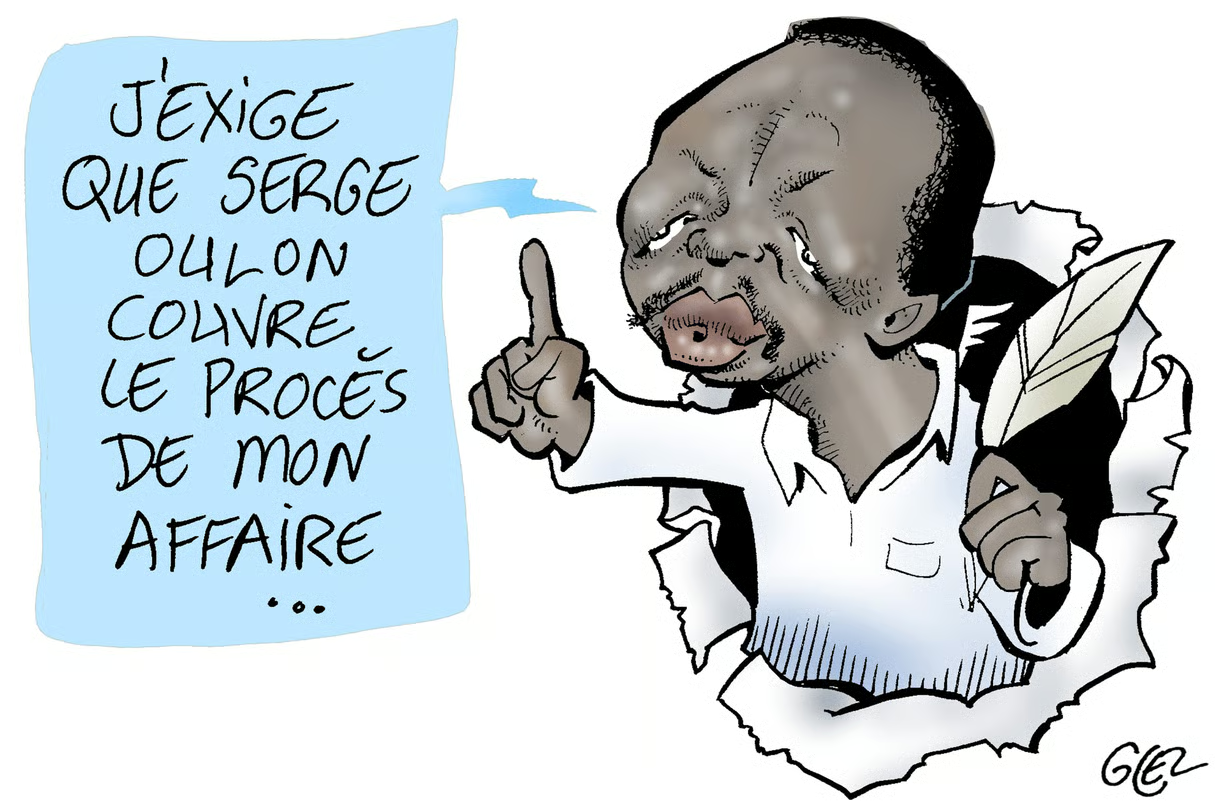
The Burkina Faso justice system has taken a decisive step toward bringing the long-awaited trial for the 1998 murder of investigative journalist Norbert Zongo to court. Years after the crime shocked the nation, authorities appear to be nearing the final procedural hurdles before opening formal proceedings.
What the latest developments mean for justice
Recent legal maneuvers indicate that the file has moved beyond preliminary stages. Investigators have finalized key evidence, while judges have approved charges against the accused. This progress follows years of public pressure and advocacy by press freedom groups, who have insisted that the case remain unresolved no longer.
Legal experts note that this phase is critical—it signals the transition from investigation to prosecution. The charges, once formally filed, will set the stage for a public trial that could reshape Burkina Faso’s judicial landscape, particularly in cases involving crimes against journalists.
Why this case remains a symbol of press freedom
Norbert Zongo, a fearless reporter known for exposing government corruption, was killed in an attack that many believe was retaliation for his work. His murder became a turning point in Burkina Faso’s history, sparking nationwide protests and international condemnation. The case has since stood as a benchmark for whether the country can hold powerful figures accountable under law.
For press freedom advocates, this trial represents more than justice for one man—it is a test of Burkina Faso’s commitment to protecting journalists and upholding democratic values. The outcome will send a clear message about the rule of law in a nation still grappling with its past.
Next steps in the judicial process
With the procedural groundwork nearly complete, the judiciary is expected to issue a formal indictment in the coming weeks. Defense teams for the accused are preparing their responses, while victim support groups continue to push for transparency throughout the trial. Observers warn that delays remain possible, but the momentum toward accountability appears irreversible.
As Burkina Faso stands on the brink of this landmark legal confrontation, the world will be watching to see whether justice can finally prevail in a case that has waited too long for resolution.

 Boureima Amadou