
 Mariama Hamani
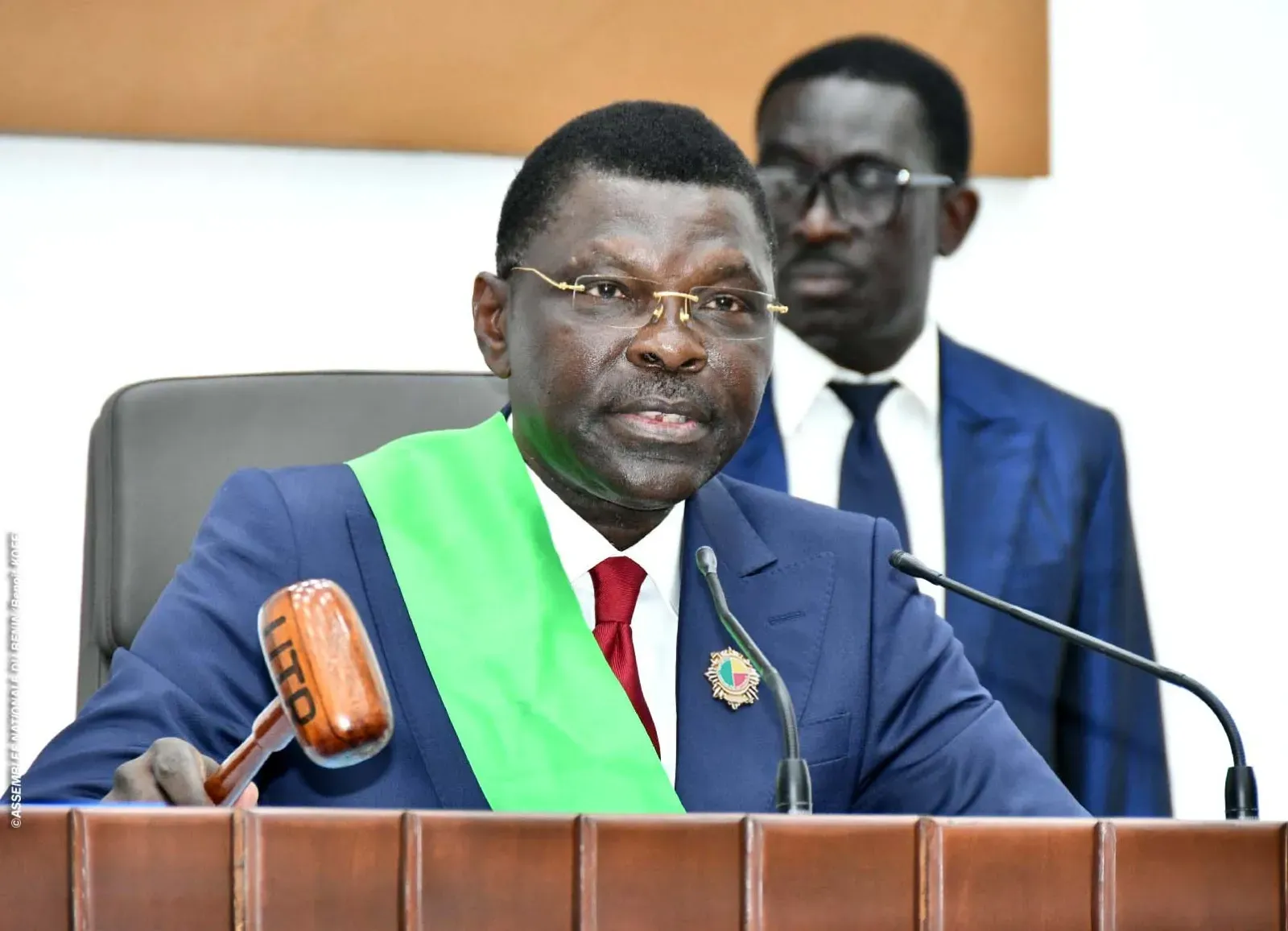
Amid escalating tensions across the Sahel, Joseph Fifamè Djogbénou, President of Benin’s National Assembly, has delivered a bold call for reconciliation at a pivotal moment for West African diplomacy. Speaking at the 86th Executive Committee session and 48th Presidents’ Conference of the African Parliamentary Union (APU) in Lomé, he urged Niger and Burkina Faso to turn the page on recent discord and embrace a shared future rooted in regional solidarity.
From discord to dawn: Djogbénou’s urgent appeal for Sahelian unity
With border closures and diplomatic rifts straining relations between Benin, Niger, and Burkina Faso, Djogbénou’s intervention signals a decisive shift in tone. His impassioned plea—“As long as the night of discord lasts, I trust dawn will break”— reflects a deep conviction that peace is not just desirable, but achievable through persistent dialogue.
Despite the closure of the Benin-Niger border since 2023, Djogbénou’s message cuts through political noise: “I am courting Niger and Burkina Faso because I intend to go there.” His words carry weight, especially as Burkina Faso assumes the APU Secretary-General role, offering a strategic platform for renewed engagement.
Diplomatic continuity: Benin’s unyielding pursuit of stability
In a region marked by institutional shifts and leadership changes, Benin’s foreign policy has remained unwavering in its commitment to peace. From the executive to the legislative branch, the nation’s leadership has consistently prioritized dialogue over division, proving that outreach to neighbors is not a tactical move but a national ethos.
This steadfast approach underscores a critical truth: Benin’s prosperity is inseparable from the stability of the Sahel. By maintaining open channels of communication, Cotonou is not just preserving its interests—it is reinforcing the foundations of a collective security framework that benefits all.
Regional collaboration as the only path forward
For Djogbénou, isolation is a false solution in a continent where challenges transcend borders. He framed the crisis not as a Beninese-Nigerien or Beninese-Burkinabe issue, but as a shared African predicament: “When Europe rejects African migrants, it doesn’t reject Beninese, Malian, Senegalese, or Nigerien individuals—it rejects Africans.”
This perspective highlights the urgency of regional cooperation. To break the deadlock, he has urged parliamentary delegations from Benin, Niger, and Burkina Faso to align their efforts with national governments, pooling resources, intelligence, and political will to confront common threats—security, migration, and economic resilience—side by side.
Key takeaways for a fractured Sahel
- Diplomatic momentum: Djogbénou’s Lomé address marks a turning point in Sahelian relations, shifting from confrontation to conciliation.
- Institutional leverage: The APU presidency offers Burkina Faso a unique opportunity to mediate and reopen channels of trust.
- Shared destiny: Benin’s outreach is a reminder that no nation can thrive in isolation—regional cohesion is the only viable path.
Building bridges in stormy times
As Sahelian nations grapple with instability, Djogbénou’s diplomacy offers a blueprint for resilience: turning adversity into opportunity, and division into unity. His message is clear—peace is not a distant dream, but a collective responsibility, one that begins with a single, determined step toward reconciliation.



 Boureima Amadou





