Boureima Amadou
The West African nation has reached a pivotal moment in its digital transformation journey. Benin has been officially named the first pilot country for an international artificial intelligence initiative, marking a significant breakthrough in the nation’s technological ambitions.
This landmark recognition was announced during the 2026 China-Africa Education Innovation and Development Forum in Wuhan, China, placing Benin at the center of a global movement to equip African youth with cutting-edge AI skills. The designation underscores the country’s commitment to positioning itself as a hub for technological advancement and digital education on the continent.
From recognition to action: unlocking Benin’s AI potential
This achievement is not merely symbolic—it signals a decisive shift in how Benin plans to integrate artificial intelligence into its educational, economic, and social development strategies. With strong backing from UNESCO, the initiative aims to strengthen digital competencies among young Beningo citizens, preparing them to thrive in an increasingly AI-driven world.
AI is reshaping industries from healthcare to agriculture, education to public administration. For Benin, mastering these technologies is essential to closing skill gaps, fostering innovation, and ensuring that its youth are not left behind in the global tech revolution. This pilot status positions the country to lead by example, showing how African nations can harness AI for inclusive growth.
International recognition at a global forum
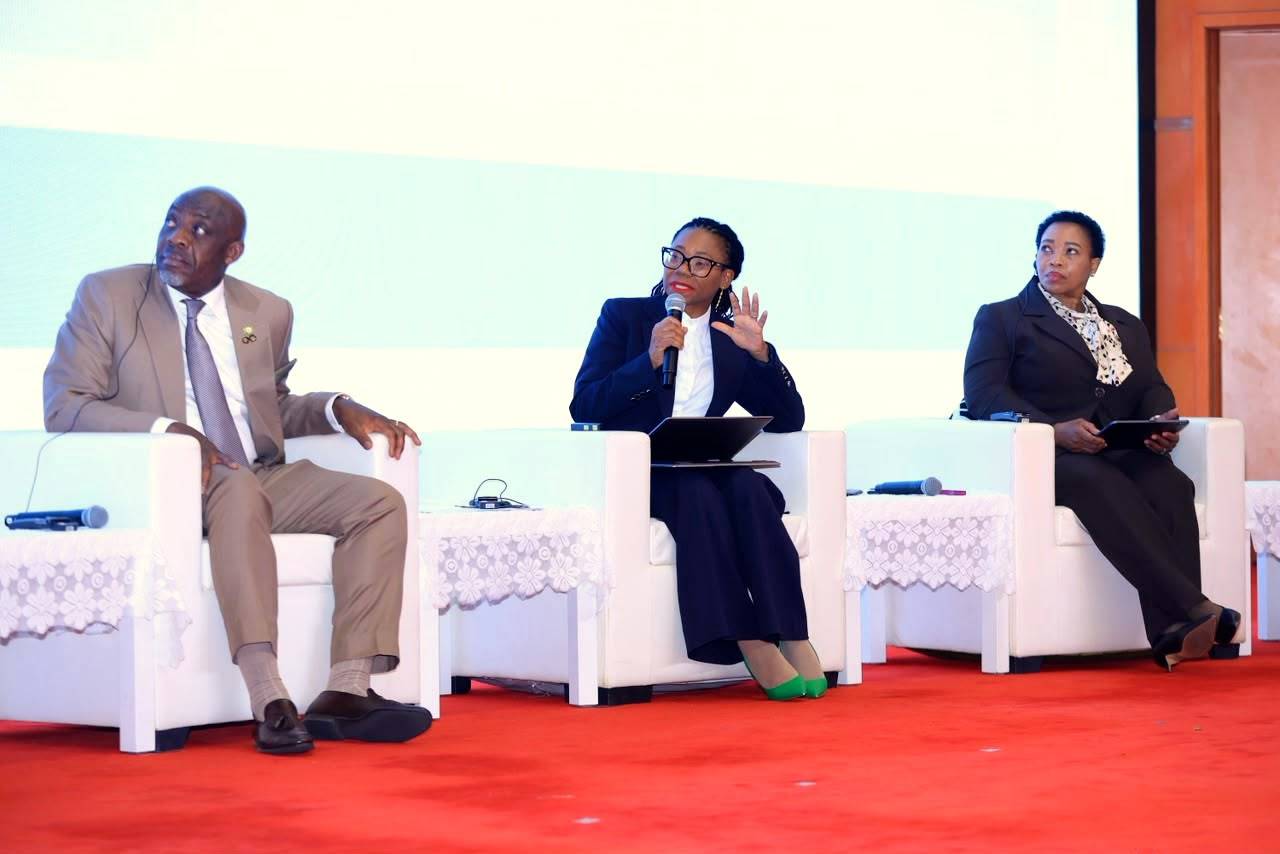
The announcement was made during a high-profile international gathering that brought together ministers, scientists, and educators from across Africa and China. Among the key participants was Dr. Sèdami Mèdegàn Fagla, Benin’s Minister of Higher Education and Scientific Research, who played a central role in securing this opportunity.
The forum highlighted the growing collaboration between China and African nations in education, scientific research, and technology. For Benin, this is more than a diplomatic milestone—it’s a strategic gateway to new partnerships that will accelerate its digital transformation agenda.
Building bridges: a new China-Benin partnership in education and AI
Beyond the AI pilot designation, Benin took a major step toward strengthening its technological ecosystem through a new memorandum of understanding with the Sino-North Africa Education Innovation Association (SNAEIA). This network of Chinese universities, vocational schools, and tech firms presents a unique opportunity to deepen academic exchanges, collaborative research, and hands-on training in emerging technologies.
Through this partnership, Benin aims to:
- Enhance workforce readiness by aligning higher education with real-world AI applications
- Promote knowledge transfer between Beninese institutions and Chinese counterparts
- Foster innovation ecosystems that connect students, researchers, and entrepreneurs
- Expand access to advanced training programs in machine learning, data science, and AI ethics
This agreement reflects a shared vision: leveraging technology not just as a tool, but as a catalyst for sustainable development.
Transforming youth through AI: education meets opportunity
At the heart of this initiative lies a bold promise: to empower the next generation with the skills they need to shape the future. Artificial intelligence is anticipated to revolutionize job markets, create new career pathways, and drive social progress across Africa. For Benin’s youth, this represents a chance to become active participants in the digital economy.
The focus is not only on technical training but also on fostering responsible AI usage—ensuring that young people understand both the potential and the ethical considerations of these powerful technologies. By integrating AI into school curricula and vocational training, the country is taking proactive steps to prepare students for the jobs of tomorrow.
Why this moment matters for Africa
Benin’s AI pilot status is more than a national achievement—it sends a powerful message across the continent. It demonstrates that African nations can lead in innovation, not just adopt it. By investing in AI education and talent development today, Benin is building the foundation for a future where African voices and solutions drive the global tech narrative.
This initiative sets a new standard for what’s possible when governments, international organizations, and academic institutions work together. It’s a call to action: for other African countries to embrace AI as a strategic priority, and for global partners to support equitable access to technological progress.
A foundation for the future: turning vision into impact
The road ahead will require more than recognition—it will demand action. Benin must now focus on transforming this opportunity into tangible outcomes: developing high-quality AI training programs, expanding digital infrastructure, and fostering a culture of innovation from classrooms to startups.
Success will be measured not just in headlines, but in the success stories of students who become AI developers, educators who integrate AI into teaching, and businesses that use AI to solve local challenges. This is where the true value of the pilot program will be realized.
As Benin writes its next chapter in technological advancement, one thing is clear: the age of AI leadership in Africa has begun. And this small West African nation is leading the way.


 Mariama Hamani