
 Boureima Amadou
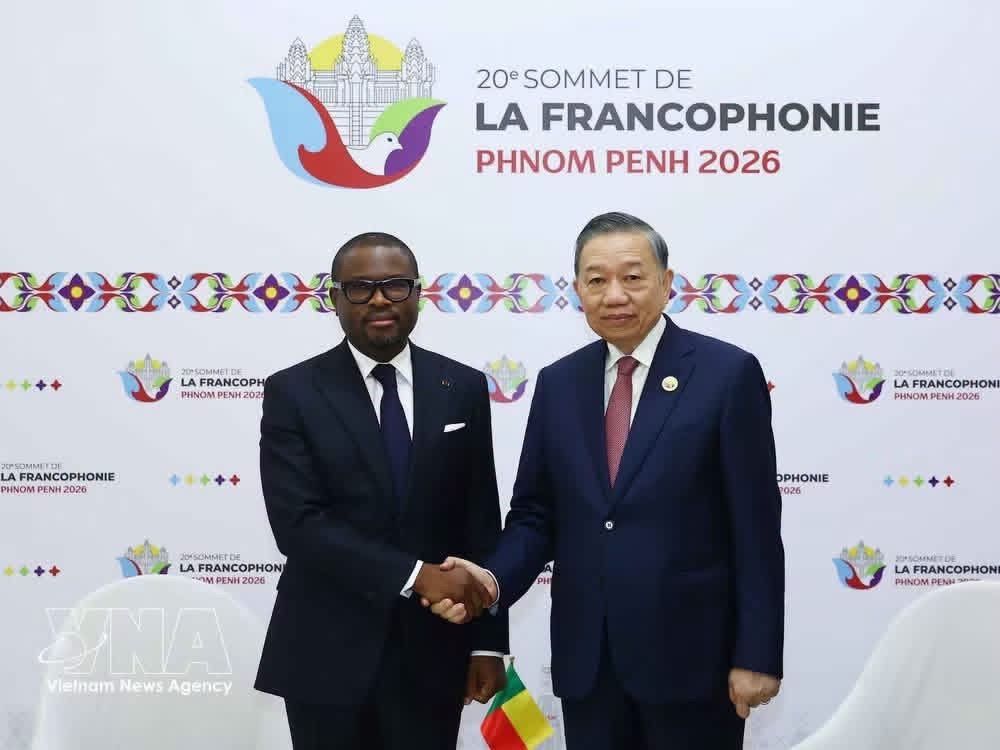
The future of Benin’s economy took a decisive turn on November 15 during a landmark meeting in Phnom Penh. As world leaders gathered for the Francophonie Summit, Beninese Finance Minister Romuald Wadagni sat down with Vietnam’s Minister of Public Security Tô Lâm to redefine trade relations between the two nations. At the heart of discussions: rice, cashews, cotton, aquaculture, and port infrastructure sectors critical to Benin’s economic ambitions.
But this diplomatic engagement is more than just a routine affair. It represents a pivotal moment for Benin to decide whether to perpetuate its role as a mere supplier of raw materials or to seize this partnership as a catalyst for industrial growth. The stakes could not be higher.
Cashew nuts: a test case for economic transformation
Vietnam stands as a global leader in cashew processing, with a robust industry that transforms raw nuts into finished products. Benin, a major cashew producer, holds immense potential to supply these factories. This complementarity could be an economic boon or a missed opportunity.
Currently, Benin exports most of its crop in raw form, missing out on the higher profits and job creation generated by processing. The real value of the cashew industry lies not only in farming and export but in every step of the supply chain: hulling, packaging, processing, and marketing. Each of these stages, when developed domestically, creates jobs, builds skills, and enhances national wealth.
Wadagni’s message is clear: Benin must move beyond simply attracting buyers. It must attract investors willing to establish processing plants on Beninese soil. Purchasing raw materials is a commercial transaction; building an industrial plant is a structural economic commitment that anchors value within the country.
From signed agreements to real impact: the challenge of implementation
An agricultural cooperation agreement between Benin and Vietnam was signed in 2024, yet tangible progress has been slow to materialize. Today’s discussions come at a crucial juncture not to draft new intentions, but to assess why past commitments have stalled and how to finally turn words into action.
This urgency applies across sectors. In rice, cotton, and aquaculture, Benin’s goal should not be limited to exporting raw outputs. The true win lies in securing partnerships that enhance productivity, adopt modern techniques, and develop local food processing capacity. These are the levers of economic resilience.
Ports and logistics: the invisible backbone of industrial ambition
Trade expansion depends on more than goodwill. It requires efficient ports, modern storage facilities, and streamlined trade routes. Without these, even the most promising partnerships will struggle to deliver results.
Infrastructure is not just a facilitator it is a prerequisite for transformation. Benin’s ability to process, store, and export value-added goods hinges on its logistical capabilities. Upgraded ports and transit systems can turn potential into prosperity.
The danger of diplomatic rhetoric without results
History shows that in African economic diplomacy, signing agreements is easier than realizing them. Partnerships are not measured by the number of meetings or the length of communiqués, but by the investments made, jobs created, technologies transferred, and wealth retained within the national economy.
Wadagni’s meeting with Tô Lâm signals a shift in approach. It is not merely ceremonial. It frames a relationship where Benin must negotiate with greater economic ambition and firmness, ensuring that every collaboration contributes to national development.
The ultimate goal is clear: Benin must reject the role of a passive supplier. It must become a hub where raw materials are transformed, skills are nurtured, and investments generate direct benefits for citizens. Vietnam can be a key ally in this vision but only if the partnership accelerates Benin’s transition from raw exporter to industrial player, capturing far greater value from its own resources.
Next steps: turning potential into progress
Accelerate the operationalization of the 2024 agricultural agreement through concrete investment projects.
Attract Vietnamese processors to establish facilities in Benin, not just purchase raw materials.
Upgrade port infrastructure and logistics networks to support higher-value exports.
Focus on technology transfer and skills development in rice, cotton, and aquaculture sectors.
Ensure all future agreements include measurable deliverables and timelines.
By Boureima Amadou — Journalist



 Mariama Hamani



