
 Boureima Amadou
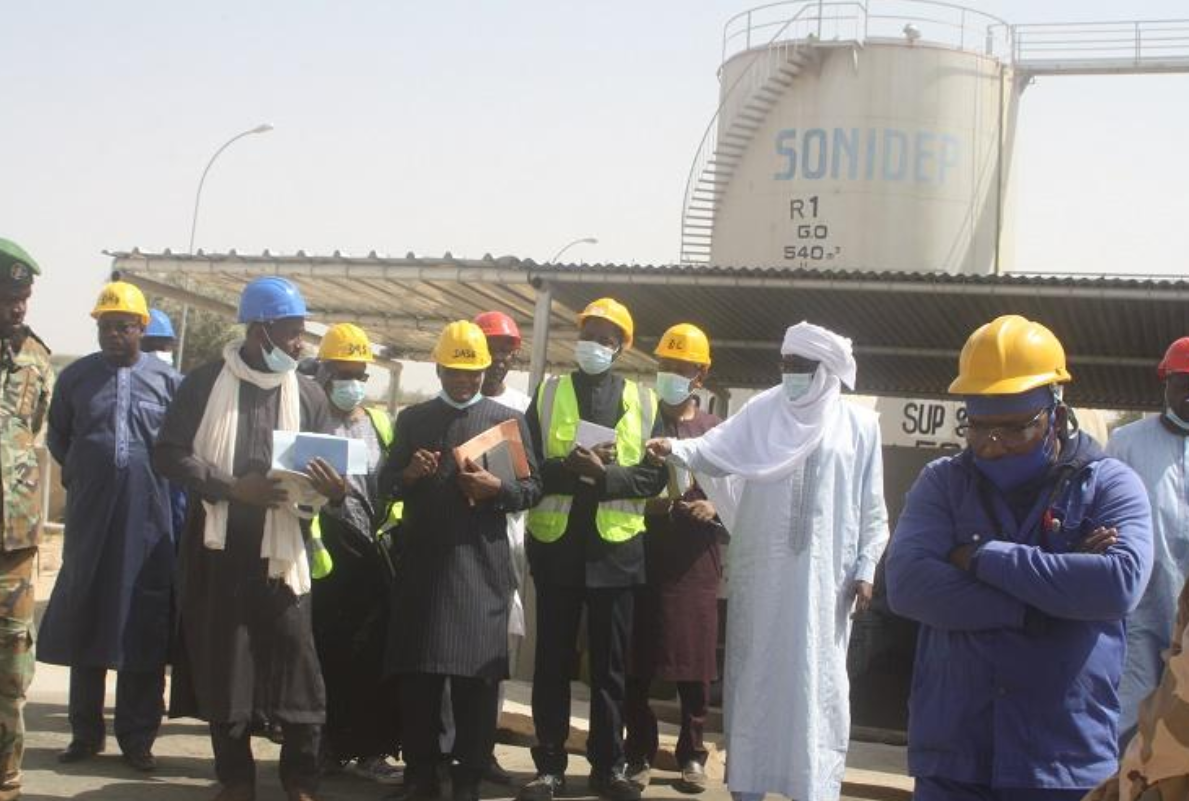
The Sonidep oil scandal in Niger has reached a critical turning point, with 7 billion FCFA in irregularities uncovered just days into an inspection—yet the investigation now faces abrupt suspension. As auditors closed in on politically connected figures, the operation was halted, raising urgent questions about who benefits from this abrupt halt to transparency efforts.
7 Billion FCFA in irregularities: the first cracks in the system
The inspection of Sonidep—Niger’s state petroleum company—has exposed financial discrepancies totaling 7 billion FCFA from just two files. With nearly 100 additional cases still under review, the potential scale of mismanagement could be catastrophic for the nation’s already fragile economy. Yet instead of accelerating scrutiny, the audit has hit a wall.
The early findings are staggering: two initial dossiers revealed irregularities large enough to destabilize public trust in governance. Analysts warn that if these amounts are already surfacing from minimal review, full-scale auditing could reveal a far deeper crisis.
Power networks flex as investigations approach sensitive interests
As the audit neared individuals closely tied to the current regime, the operation was abruptly suspended. Behind the decision lies a silent but fierce battle over control of Niger’s oil sector—a resource that fuels both the economy and political patronage networks.
The suspension was allegedly ordered by high-level officials seeking to shield allies implicated in the financial irregularities. This raises a troubling question: does anti-corruption policy apply only to opposition figures, or does the principle of accountability stop at the regime’s inner circle?
The fallout from Sonidep’s SORAZ connection
Former Sonidep and SORAZ officials are now at the center of the storm. One key figure, Issaka Gado—brother of a former prime minister and former chairman of SORAZ—has been reassigned to a diplomatic posting in Djibouti. Critics question whether this move is administrative or a strategic maneuver to sideline a potential witness in the unfolding audit.
Gado’s deep knowledge of the oil sector’s inner workings makes his sudden diplomatic transfer all the more suspicious. His previous attempt to audit SORAZ-Sonidep relations ended in legal consequences for key actors, including a year-long detention for a former minister and months for Gado himself.
Failed audits and vanished accountability: a pattern emerges
This is not the first time oil sector audits have been initiated—and then abruptly derailed. Dr Sahabi Oumarou launched a review of SORAZ and Sonidep, but was removed from office before the process could conclude. Similar initiatives by other officials have also stalled, fuelling suspicions of systemic resistance to transparency.
Each failed audit deepens public distrust. When officials publicly commit to reforms but fail to deliver, the message is clear: accountability is negotiable, and only certain players are subject to scrutiny.
An international audit promised, but never delivered
The petroleum minister, Tini, proposed outsourcing the audit to Mazars—a globally recognized firm—to restore credibility. A joint workshop in April 2026 formally endorsed the plan, yet eight months later, no contract has been signed, no team mobilized. The initiative remains stalled, raising concerns about political interference in what was meant to be an independent probe.
Why would a government endorse independent oversight, only to delay its implementation indefinitely? The answers may lie not in procedure, but in protection.
Diplomatic relocations and shadow networks in UN corridors
The saga has now spilled into international diplomacy. Allegations of influence peddling within UN agencies—made by a government minister—point to a disturbing trend: powerful figures may be using diplomatic postings to escape domestic accountability.
Issaka Gado’s transfer to Djibouti as permanent representative to the UN coincides with the audit’s crisis. While no direct link has been established, the timing fuels speculation about whether such moves serve as political shelters for those caught in financial and legal crosshairs.
Beyond the 7 billion FCFA: a governance crisis at stake
The Sonidep scandal is no longer just about missing funds. It has become a litmus test for Niger’s commitment to governance, transparency, and the rule of law. With 7 billion FCFA already exposed from minimal review, the full extent of mismanagement could dwarf current estimates.
The regime now faces a defining choice: allow full, independent audits to proceed and restore public trust—or continue suppressing investigations to protect entrenched networks. The latter path risks eroding credibility not only in the oil sector, but across all spheres of governance.
Niger’s oil wealth should be a source of national prosperity, not a vehicle for elite enrichment. The real scandal may not be the missing billions—but the refusal to find them.
As questions mount and silence deepens, one thing is clear: the Sonidep affair is far from over. It has only just begun to expose the true cost of political protectionism in Niger’s oil economy.


 Mariama Hamani




