Mariama Hamani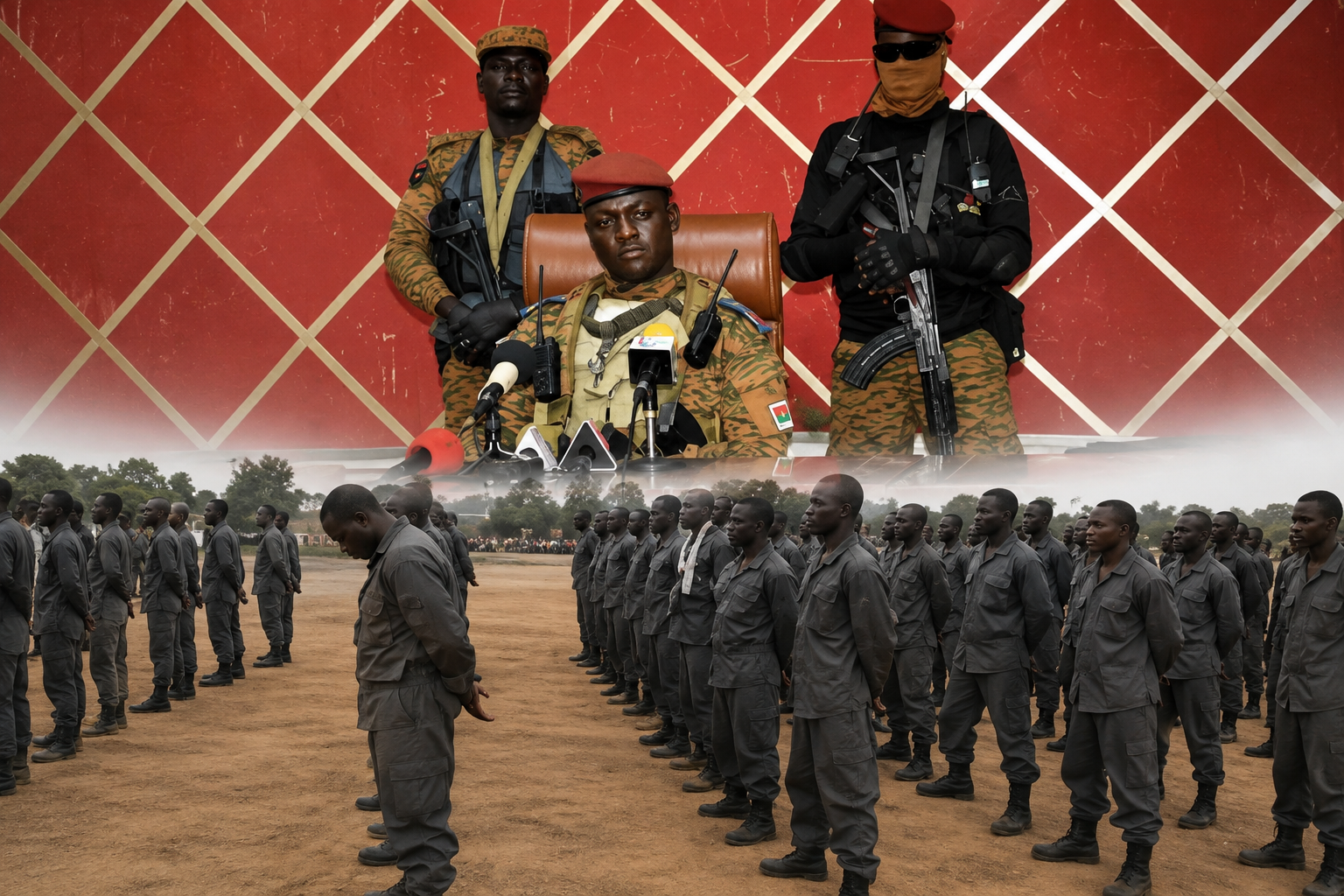
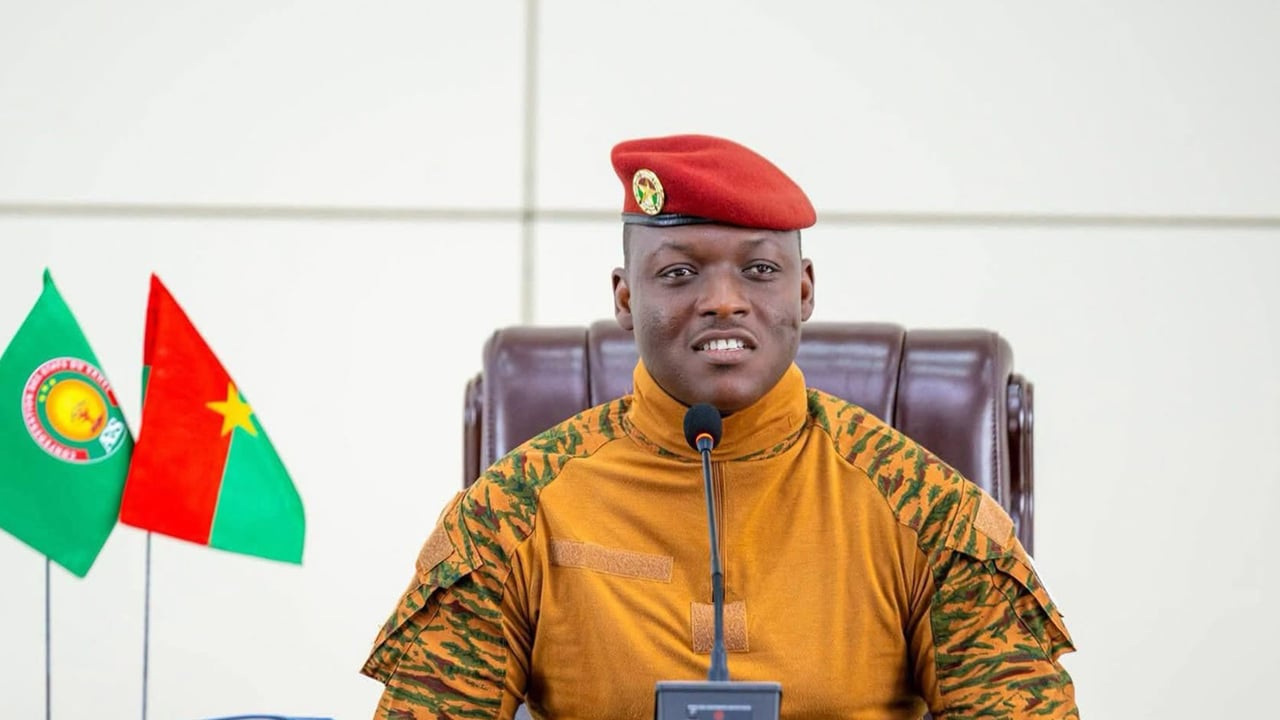
History is replete with regimes that, in their pursuit of absolute control, end up turning their own instruments of repression against those who once enabled them. Burkina Faso’s current transition under Captain Ibrahim Traoré provides a stark example of this paradox. What began as a crackdown on traditional critics—opposition figures, dissident voices, and independent media—has expanded to ensnare former allies: Muslim community leaders, civil society activists, commentators, influencers, and public figures who once championed the transition. Today, even those who once stood firmly behind the regime find themselves facing arbitrary arrests, enforced disappearances, smear campaigns, and intimidating summons—all justified under the guise of national security.
From loyal supporters to targets of suspicion
This shift is not a series of isolated incidents but a deliberate transformation in how power operates. As authority becomes increasingly centralized and dissent is equated with treason, the line between ally and adversary blurs. In such a climate, loyalty is no longer a shield but a provisional status, subject to constant re-evaluation. The regime’s demand for unquestioning obedience means that past allegiances offer no lasting protection.
The illusion of guaranteed loyalty
Captain Traoré’s legitimacy has been built on a narrative of sovereignty, patriotism, and security. This rhetoric, amplified across social media by a chorus of supporters, framed every critique as a foreign-backed plot or an act of treason. What began as a defense of state actions—justifying closures of media outlets, silencing dissenting voices, or endorsing repressive measures—has evolved into a self-reinforcing cycle. Criticism is no longer debated; it is criminalized. The binary logic is clear: full, uncritical support for the regime or immediate labeling as an enemy of the state.
Yet this strategy carries a fatal flaw. A power that demands total allegiance will inevitably interpret even minor reservations as defiance. Yesterday’s allies become today’s suspects, their past loyalty rendered meaningless in the face of the regime’s insatiable need for control.
The personalization of power and the spread of fear
The concentration of authority around Captain Traoré has shifted the national discourse from policy debates to the defense of his personal leadership. Questioning a government decision is increasingly framed as an attack on his authority. This personalization fosters a climate of perpetual suspicion, where every setback—whether military, economic, or social—is attributed not to policy failures but to hidden conspiracies.
As the circle of perceived threats expands, the regime’s repression targets not only political opponents but also journalists, human rights defenders, judges, academics, religious leaders, and even former allies whose influence is deemed too independent. The message is clear: in a system where loyalty must be constantly proven, no one is safe from scrutiny.
Fear as a governing tool
The regime’s tactics—high-profile arrests, public summons, coordinated smear campaigns, coercive requisitions, and administrative sanctions—are not merely aimed at silencing individuals. They serve as a broader warning to society. Each arrest sends a signal. Every unexplained disappearance deepens uncertainty. Every summons reminds citizens that no one is beyond the reach of state power. The cumulative effect is a culture of self-censorship, where intellectuals hesitate to publish, journalists avoid sensitive investigations, and citizens refrain from public debate. A society governed by fear loses its capacity for innovation, self-correction, and collective problem-solving.
The erosion of institutional checks
This trend is especially alarming given the weakening of Burkina Faso’s institutional safeguards. The judiciary’s independence is frequently questioned when legal proceedings appear politically motivated. Independent media face restrictions or suspensions, curtailing pluralism. Civil society organizations operate in an increasingly constrained environment. Political parties operate under severe limitations. When no institution can effectively hold the executive accountable, the rights of citizens become precarious. The state is no longer bound by law but by the whims of those in power.
A pattern repeated across history
Burkina Faso is not alone in this trajectory. Authoritarian systems—whether revolutionary, military, or ideological—often follow a predictable arc. Revolutionaries purge their former comrades. Military leaders turn on their own officers. Political movements exclude their founders. Ideologues are accused of betrayal. The root cause is simple: when loyalty to a leader becomes the sole criterion for political survival, no degree of fidelity is ever sufficient. The search for absolute purity inevitably leads to purges, expulsions, and accusations.
The fragility of rights as conditional privileges
This evolution underscores a fundamental truth: public freedoms are not rewards granted to the faithful. They are universal protections against state abuse. The right to a fair trial, freedom of expression, press freedom, the presumption of innocence, and protection from arbitrary detention or disappearance are not privileges bestowed upon loyal citizens. They are fundamental rights that must apply equally to all. Supporting the unjust arrest of an opponent is to endorse the principle of arbitrariness itself. Once such logic takes hold, it can be applied to anyone, regardless of their past loyalty.
Many supporters of Captain Traoré made a critical error in assuming that proximity to power would guarantee their safety. In authoritarian systems, loyalty is not a contract; it is a fragile bond, constantly reassessed based on shifting interests. Today’s ally can become tomorrow’s target.
Security cannot justify the erosion of rights
Burkina Faso faces a real and urgent threat from terrorism. This reality is undeniable. However, the effectiveness of counterterrorism cannot be measured solely by the number of coercive measures implemented. It depends on the trust between citizens and their institutions. When people fear arbitrary state action more than they trust state protection, that trust erodes. History demonstrates that insurgencies cannot be defeated sustainably if institutions lose credibility with the very people they are meant to protect. Security and the rule of law are not opposing goals; they are interdependent. A state that fights terrorism while upholding legal norms strengthens its legitimacy. One that makes exceptions permanent risks transforming its struggle against enemies into a justification for total control.
When the system consumes its own allies
The predicament faced by former regime supporters today reflects a broader political reality. In a system where institutions are weakened and power relies on fear, no one enjoys lasting protection. Today’s allies can become tomorrow’s suspects. The most vocal defenders may be accused of insufficient loyalty. Media allies can be sidelined or replaced. Religious leaders can be censured if their messages diverge from the official line. The regime, in its relentless pursuit of control, ultimately devours its own.
Yet the consequences extend beyond individual fates. When a regime turns its repression inward, targeting even its former allies, it reveals a systemic flaw. The problem is not the individuals but the structure of power itself. The true protection of a nation rests not on proximity to the leader or ideological alignment, but on strong institutions, an independent judiciary, a free press, and laws applied equally to all. Only within this framework can the fight against insecurity preserve both state authority and citizen freedoms.

 theafricantribune
 Boureima Amadou