Mariama Hamani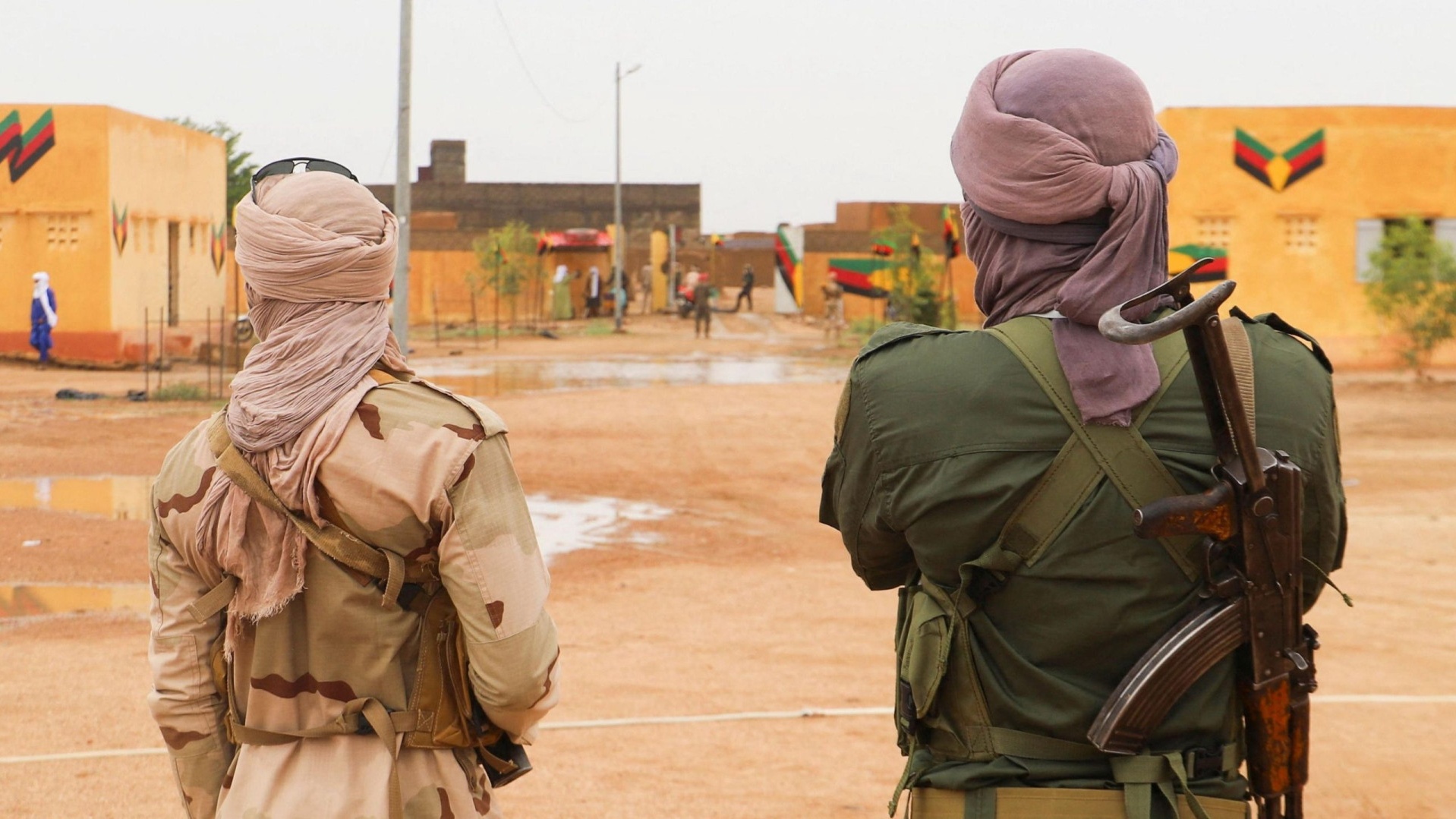
The latest offensive launched by the Jama’at Nusrat al-Islam wal Muslimin (JNIM) alongside the Front de Libération de l’Aïr et du Ténéré (FLA) has exposed Algeria’s covert role in Mali’s deepening crisis. Far from acting as an impartial mediator, the Algerian regime has emerged as a de facto participant in the conflict, fostering a state of calculated instability across its southern neighbor.
Algeria’s shadow strategy in Mali
Algiers’ approach to Mali is anything but neutral. Through a network of proxies and clandestine support, the Algerian government has systematically undermined Mali’s sovereignty, exploiting the country’s fragility to project influence. Recent military operations in the Sahel, particularly in Kidal and Gao, have underscored this strategy, with Algerian-backed factions gaining ground while central authority in Bamako weakens.
Observers note that Algeria’s maneuvers are not merely opportunistic—they represent a long-term bid to reshape regional power dynamics. By keeping Mali in a perpetual state of unrest, Algiers ensures its own dominance in the Maghreb-Sahel nexus, countering Moroccan influence and limiting the reach of other African stakeholders.
Morocco’s counter-moves and regional stakes
Morocco, already a key player in the African Union and a vocal advocate for Sahel security, has been quick to respond. Through strategic partnerships with Malian transitional authorities and increased security cooperation, Rabat is positioning itself as a stabilizing force in the region. The Moroccan approach contrasts sharply with Algeria’s destabilizing tactics, offering an alternative vision for Mali’s future.
Diplomatic sources reveal that Morocco’s engagement in Mali is part of a broader economic and military outreach across West Africa. By investing in infrastructure, renewable energy, and counterterrorism initiatives, Rabat is building alliances that could reshape the balance of power in the Sahel.
What’s at stake for Mali and the Sahel
For Mali, the stakes could not be higher. The country remains trapped between competing foreign agendas, with its own institutions struggling to regain control. The recent resurgence of armed groups, fueled by external support, threatens to plunge the nation deeper into chaos. Meanwhile, neighboring states watch nervously as the conflict spills across borders, raising fears of a wider regional conflagration.
Experts warn that without urgent diplomatic intervention, Mali could become a permanent battleground for proxy wars, with devastating consequences for its civilian population. The international community’s failure to address the root causes of instability—corruption, weak governance, and foreign interference—only exacerbates the crisis.
Key takeaways
- Algeria’s covert role: Algiers is actively fueling instability in Mali to maintain regional influence.
- Morocco’s strategic response: Rabat is positioning itself as a stabilizer through economic and security partnerships.
- Mali’s precarious position: The country risks becoming a battleground for competing foreign agendas.
- Regional spillover: Instability in Mali threatens to destabilize the entire Sahel.


 Boureima Amadou