Mariama Hamani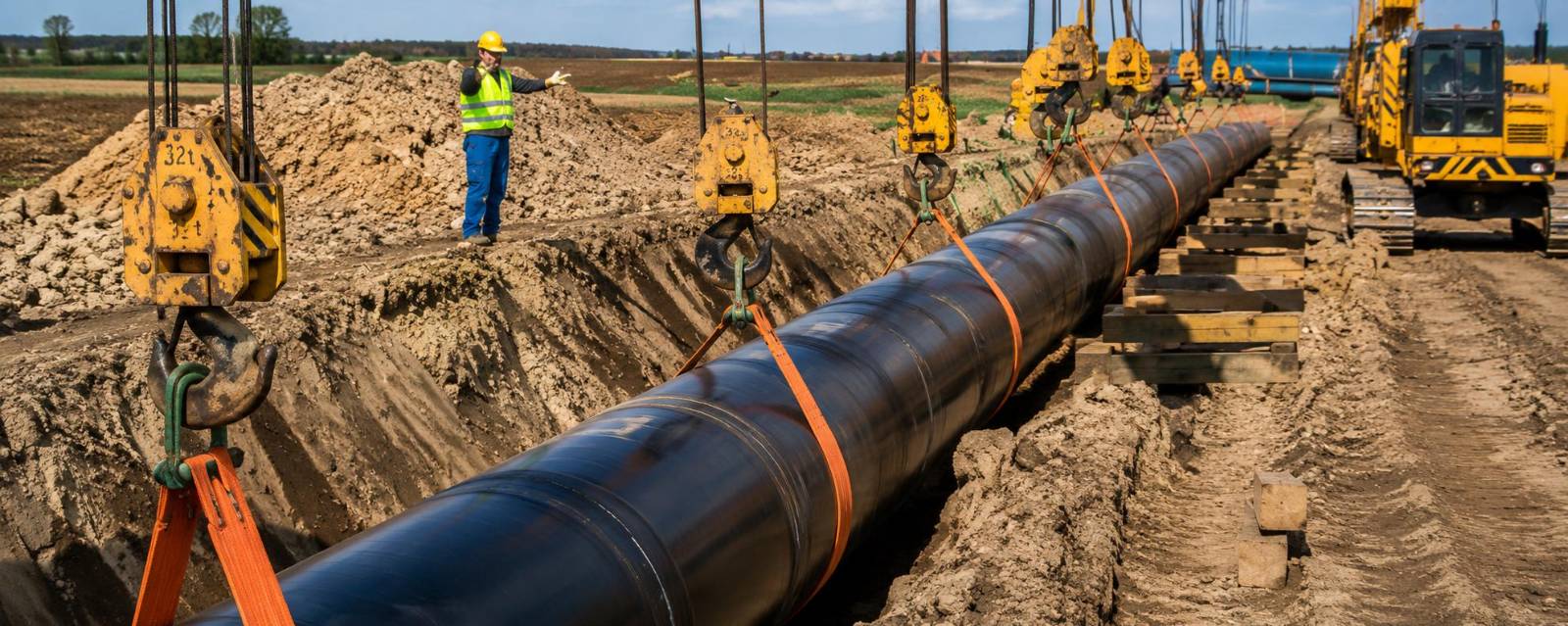
From bold declarations to reluctant concessions: Niger’s economic turnaround
After months of fiery rhetoric about reclaiming economic sovereignty and severing ties with former partners, Niamey’s leaders have been forced into a stark reality check. Facing suffocating financial isolation, the military government has just inked a series of oil deals with China National Petroleum Corporation (CNPC), a move that reeks of economic submission aimed at shoring up the country’s depleted coffers.
The initial stance was one of defiance. For weeks, officials in Niamey had insisted on renegotiating the terms governing oil extraction and the operations of the West African Pipeline Company (WAPCO) with the Chinese giant. Yet this uncompromising posture quickly collided with the harsh realities of running a state on the brink of collapse. With major regional and international financial backers turning their backs, the regime had little choice but to return to the negotiating table—not as an equal, but as a desperate supplicant.
A lifeline disguised as a victory
Officially, the agreement is being touted as a triumph of ‘Nigerianization’ of jobs and a hard-won increase in the state’s stake—now set at 45% in WAPCO. But scratch beneath the surface, and the true motivation becomes clear: securing an immediate flow of crude to inject much-needed foreign currency into the country’s haemorrhaging treasury.
The criticism is swift and sharp. Opposition figures and independent financial analysts warn that this rush to finalize deals with Chinese firms may be driven by less noble motives than national development. In their view, the newfound liquidity could become a slush fund for the ruling elite, sidestepping international oversight and fuelling corruption while public infrastructure crumbles.
Replacing one dependency with another
By deepening its reliance on Chinese interests in the oil sector, Niger isn’t breaking free from external control—it’s merely swapping one master for another. The concessions touted in local hiring quotas and subcontracting rules amount to little more than cosmetic wins when set against the backdrop of Beijing’s stranglehold over the entire oil value chain, from extraction to maritime export.
Recent history across sub-Saharan Africa paints a sobering picture: without robust institutional checks, strong transparency measures, and independent oversight, oil revenues often end up entrenching central power rather than lifting populations out of poverty. For Niger, the question remains unanswered: will these fresh funds from Beijing flow into the nation’s coffers—or vanish into the opaque machinery of a government desperate to legitimize its rule?


 Boureima Amadou