Boureima Amadou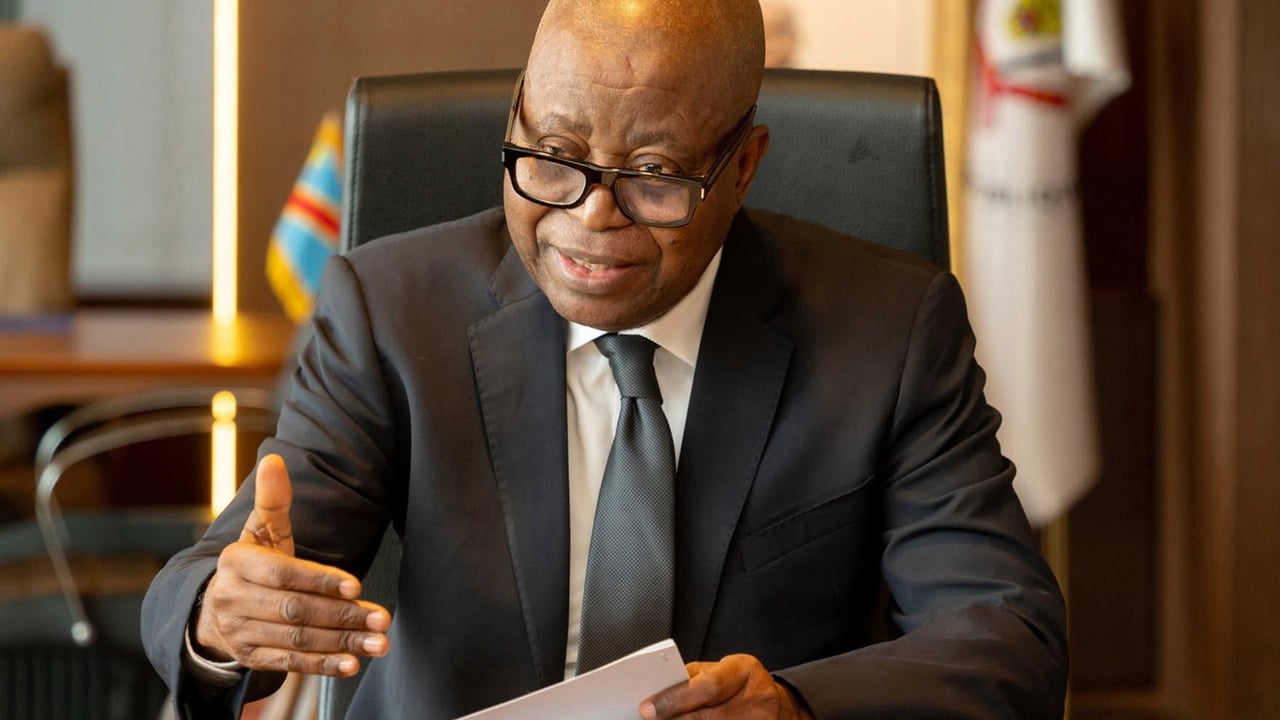
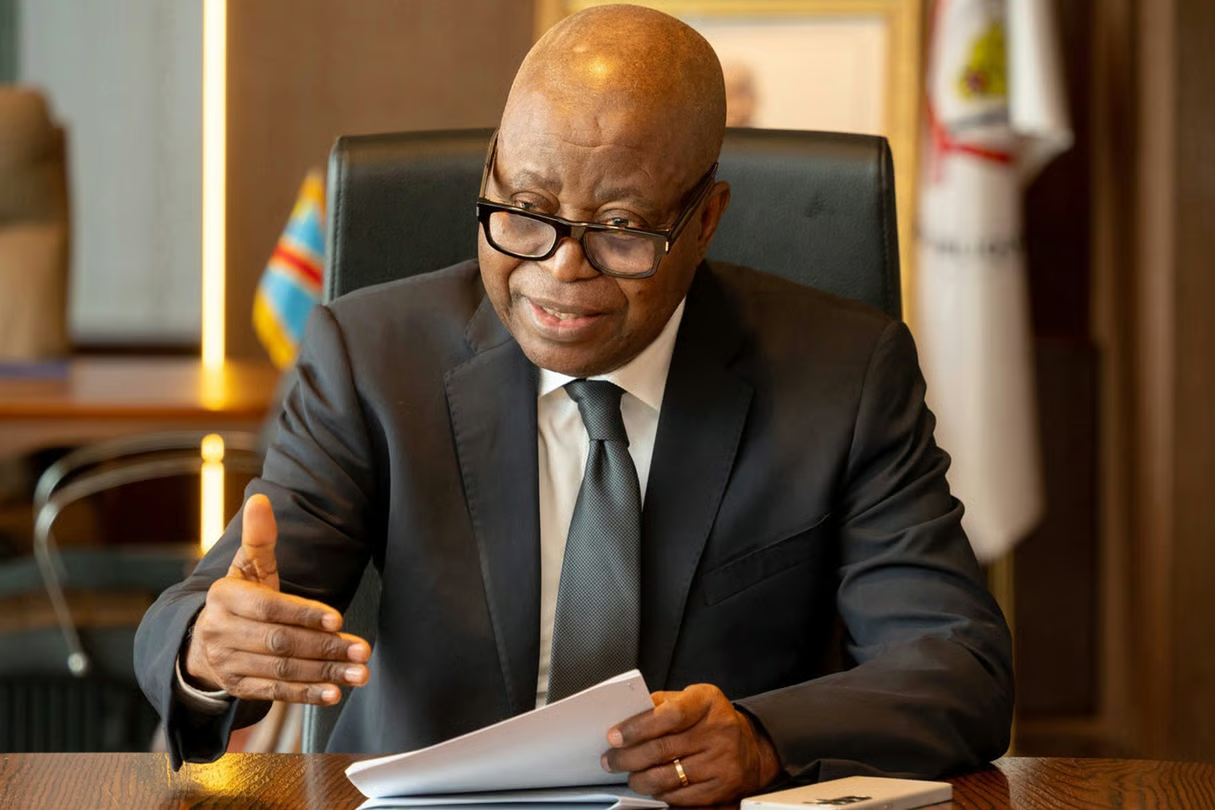
The Democratic Republic of the Congo (DRC) is poised for a remarkable economic transformation under President Félix Tshisekedi’s leadership. This bold vision was recently outlined by Adolphe Muzito, the Deputy Prime Minister and Minister of Budget, who foresees Kinshasa emerging as the third-largest economy in sub-Saharan Africa by 2035.
Muzito’s forecast reflects the government’s strategic commitment to leveraging the DRC’s vast natural resources, including minerals, hydroelectric potential, and arable land. These assets, he argues, position the country to surpass traditional economic powerhouses in the region.
Economic growth drivers in the DRC
The Deputy Prime Minister highlighted several key pillars that will underpin this ambitious growth trajectory:
- Resource diversification: Expanding beyond extractive industries to develop agriculture, manufacturing, and renewable energy sectors.
- Infrastructure expansion: Accelerating investments in transportation networks, energy grids, and digital connectivity to unlock regional trade potential.
- Institutional reforms: Strengthening governance frameworks to attract foreign investment and foster a business-friendly environment.
- Human capital development: Prioritizing education and vocational training to align the workforce with emerging economic demands.
A transformative vision for Kinshasa
Muzito emphasized that Kinshasa’s role as an economic hub will be central to this transformation. The capital’s strategic location, coupled with its growing population and urbanization trends, presents unparalleled opportunities for industrialization and service-sector expansion.
The Deputy Prime Minister acknowledged challenges such as political instability and security concerns in certain regions. However, he underscored the government’s resolve to address these issues through targeted policies and international partnerships.
“By 2035, the DRC will not only meet its economic potential but redefine Africa’s economic landscape,” Muzito stated. “Our goal is to create an inclusive growth model that benefits all Congolese citizens.”
Reactions and skepticism
While Muzito’s projections have sparked optimism, some analysts question whether the DRC’s institutional capacity and infrastructure gaps can support such rapid development. Critics point to past underperformance in resource governance and persistent corruption as hurdles that must be overcome.
Supporters of the plan, however, argue that Tshisekedi’s administration has demonstrated a newfound commitment to reform. Recent policy shifts, including anti-corruption initiatives and public-private partnership frameworks, have begun to restore investor confidence.
The coming years will be decisive. If executed effectively, Muzito’s vision could position the DRC as a beacon of economic progress in sub-Saharan Africa, reshaping the continent’s economic hierarchy.

 Mariama Hamani