Boureima Amadou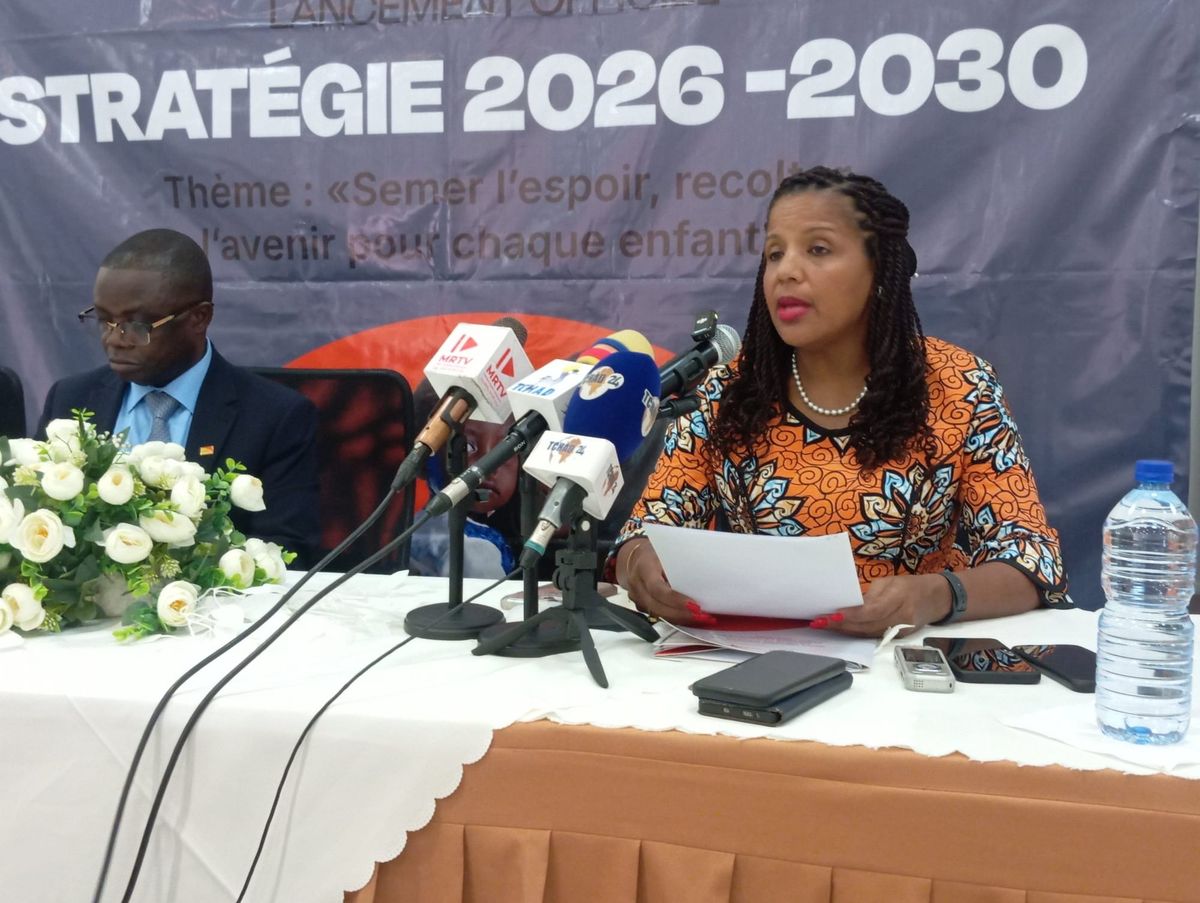
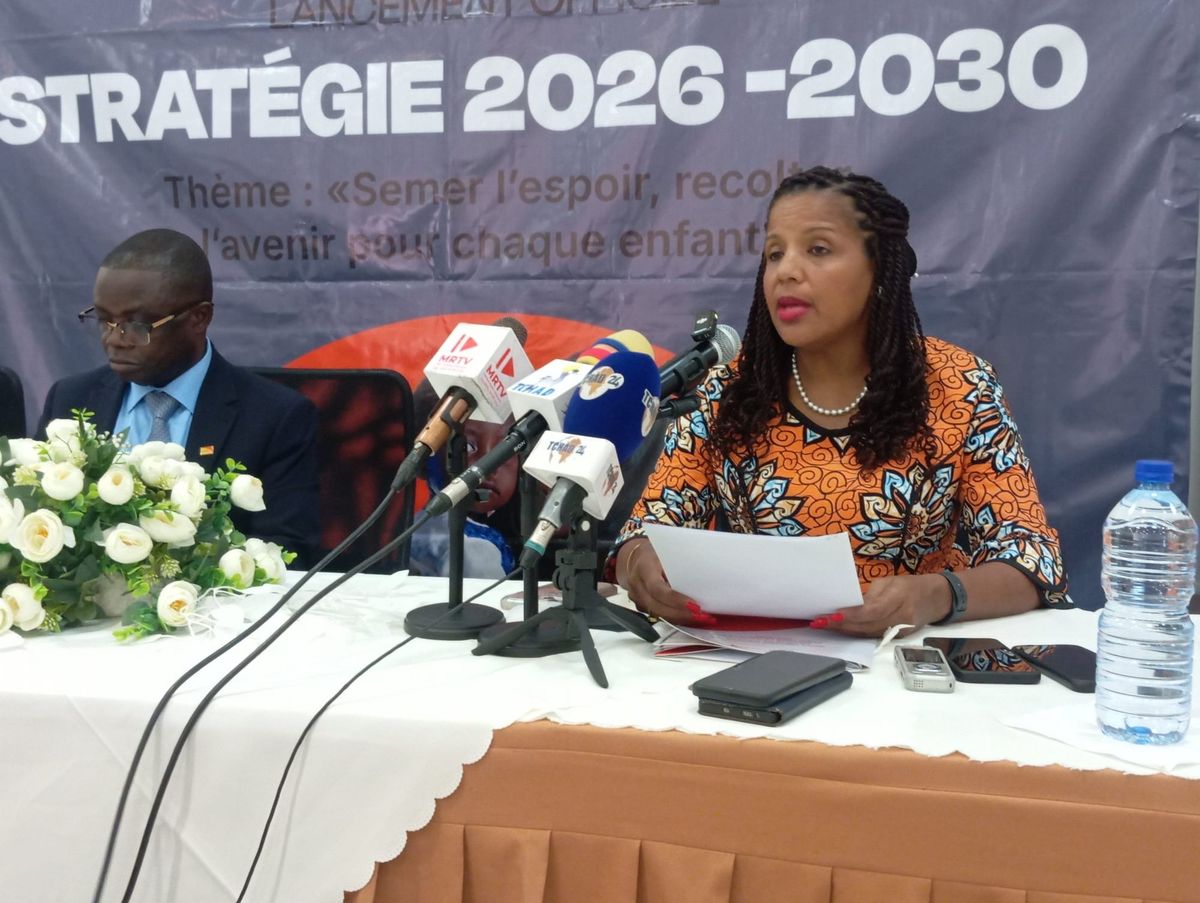
N’Djamena – World Vision Tchad has rolled out its ambitious 2026-2030 national strategy, marking a pivotal moment in the organisation’s commitment to transforming lives across the country. The initiative was unveiled during a high-profile press conference in the capital, bringing together media representatives, development partners, and national leaders to outline a bold vision for the future of Chad’s youngest citizens.
a holistic roadmap for Chad’s most vulnerable children
The strategy aims to directly impact 3.29 million children by 2030, including 3.09 million of the most vulnerable, through integrated interventions spanning health, nutrition, education, child protection, and climate resilience. This represents a 20% increase in scope compared to previous cycles, signalling a renewed determination to address the deep-rooted challenges facing Chad’s youngest generations.
Speaking at the launch, the Regional Director for West Africa at World Vision, Carla Dominique Denizard, described the plan as both audacious and transformative. She highlighted its foundation in the Humanitarian-Development-Peace Nexus, a groundbreaking approach that bridges emergency relief, sustainable development, and peacebuilding efforts. “Every child in Chad deserves the chance to thrive, not just survive,” she emphasised. “This strategy is built on robust partnerships, grassroots engagement, and a deep respect for cultural and spiritual values.”
Denizard underscored that West and Central Africa face severe challenges—rising insecurity, deep poverty, climate shocks, and mass displacement. “Our integrated approach is designed to turn these crises into opportunities for sustainable progress,” she stated. The strategy aligns with key continental and global frameworks, including the African Union’s Agenda 2063 and the United Nations’ Sustainable Development Goals (SDGs 1, 2, 3, 4, 5, 6, 13, and 16).
key priorities for a brighter future
World Vision Tchad’s new roadmap prioritises several critical areas:
- Health and nutrition: Strengthening integrated maternal, newborn, and child health services, with a focus on combating malnutrition—a persistent crisis affecting nearly 42% of Chad’s population living below the poverty line.
- Education: Scaling the Unlock Literacy programme to enhance early-grade reading skills, ensuring children build strong foundations for lifelong learning.
- Child protection: Intensifying efforts to shield children from violence, exploitation, and harmful practices, fostering environments where they can grow safely.
- Climate resilience: Empowering communities to adapt to environmental stressors, from droughts to erratic rainfall, that disproportionately impact vulnerable households.
The strategy’s launch was hailed by Édouard Ngoy Wangoy, National Director of World Vision Tchad, as a “historic milestone.” He stressed that the organisation’s ambition is clear: to ensure no child in Chad is left behind. “We are doubling down on our commitment to build a nation where every child is protected, nourished, educated, and empowered to reach their full potential,” he declared.
call for collective action
Following the strategy unveiling, World Vision Tchad issued a rallying call to all stakeholders. The organisation urged public authorities, technical and financial partners, civil society groups, religious and community leaders, and the media to join forces in implementing this vision. “Transforming Chad’s future requires more than good intentions—it demands coordinated, sustained action,” the leadership noted. “Together, we can turn today’s challenges into tomorrow’s opportunities for every child in the country.”
The 2026-2030 strategy positions World Vision Tchad as a key player in realising the country’s Vision 2030 and the broader global agenda for sustainable development, placing children at the heart of the nation’s progress.