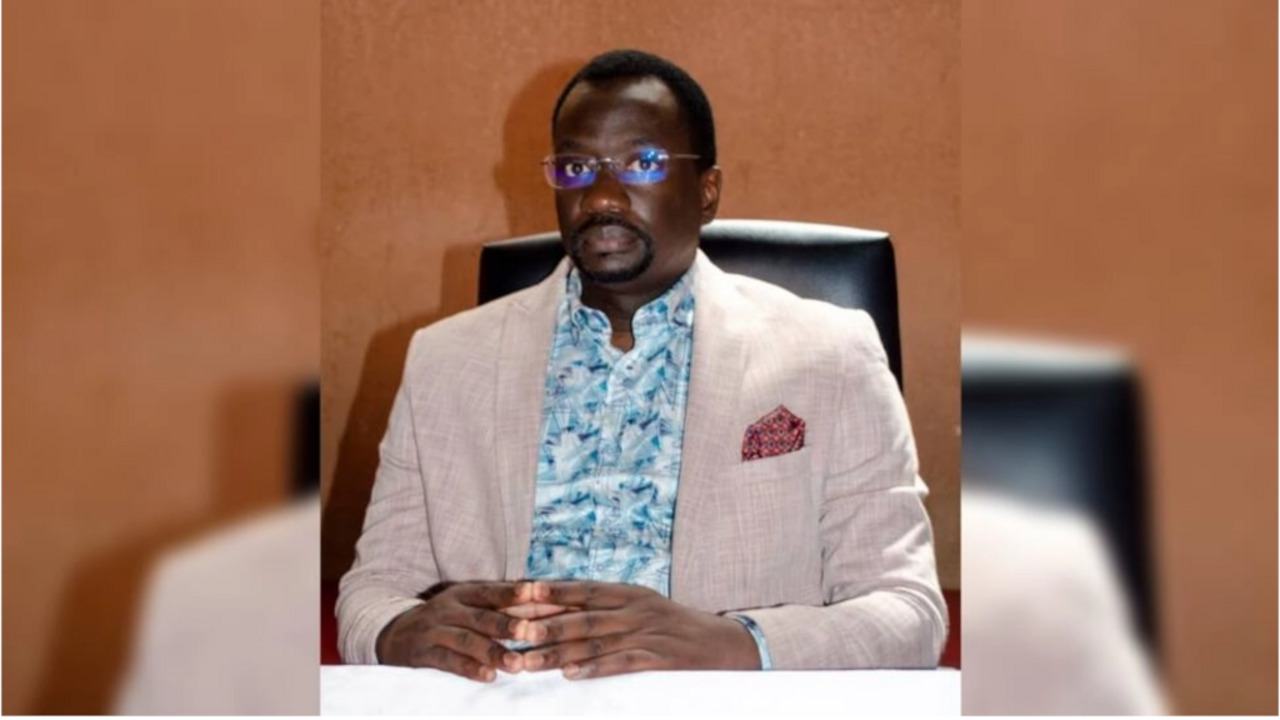
Boureima Amadou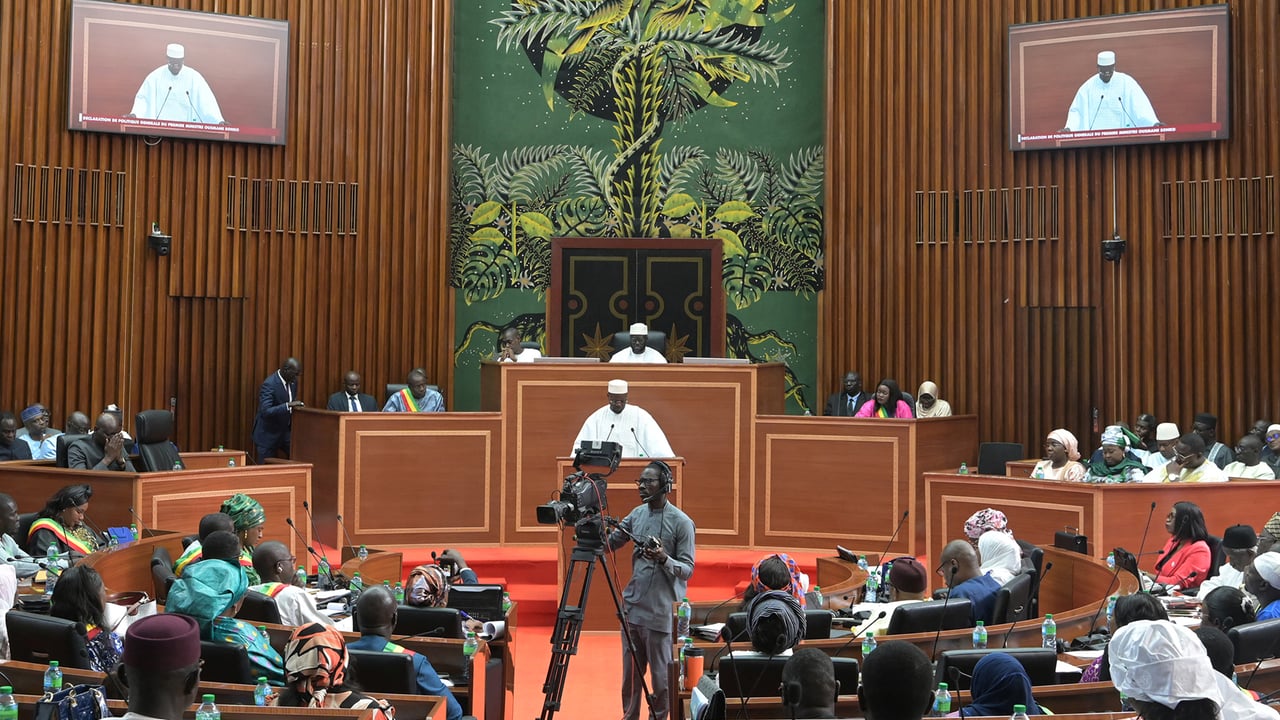

Senegal’s special funds: a shield against transparency?
In a bold legislative move, Senegal’s government, led by Prime Minister Ousmane Sonko, is pushing to abolish a contentious law passed under former President Macky Sall. This law, granting amnesty for political violence, has sparked intense debate about accountability and governance. But beneath this controversy lies a deeper question: why must certain state funds remain shrouded in secrecy?
The legal framework under scrutiny
During his address to the National Assembly in Dakar on December 27, 2024, Prime Minister Sonko outlined plans to repeal the amnesty law, a decision that has reignited discussions on transparency in public finance. While the move aims to address past injustices, it also raises concerns about the opacity surrounding special funds in Senegal.
These funds, often designed for emergencies or sensitive operations, are typically exempt from standard oversight mechanisms. Proponents argue that confidentiality is necessary to protect national security and operational efficiency. Critics, however, see this as a loophole enabling mismanagement and corruption.
Balancing secrecy and accountability
The debate over special funds is not unique to Senegal. Across Africa, governments grapple with the challenge of balancing confidentiality with public accountability. In Senegal, the controversy has intensified under the current administration, which has prioritized governance reforms.
Public opinion remains divided. Some citizens support the need for confidentiality in high-stakes operations, while others demand greater transparency to ensure funds are used responsibly. The government’s stance suggests a preference for controlled disclosure, but the lack of clarity fuels skepticism.
What’s next for Senegal’s special funds?
The proposed legislation to repeal the amnesty law could set a precedent for how Senegal handles its special funds moving forward. If passed, it may introduce stricter oversight while maintaining certain confidentiality measures. The outcome will likely hinge on the government’s ability to reassure the public without compromising operational security.
As Senegal navigates this delicate balance, the world watches closely. The decisions made today will shape the country’s governance landscape for years to come.