Boureima Amadou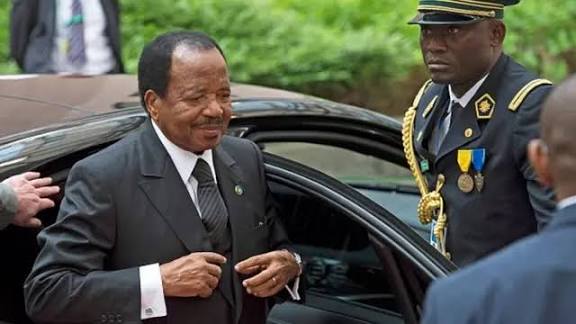
Paul Biya’s Record-Breaking Absence From Cameroon
On June 7, 2026, the President of Cameroon, Paul Biya, departed from Yaoundé on what was initially described as a short private visit to Europe. As of August 10, 2026, however, his absence has stretched to an unprecedented 64 days. This prolonged stay abroad has shifted the narrative from a mere anecdote to a pressing concern.
Why Does This Absence Raise Concerns?
The duration of President Biya’s absence from Cameroon has raised questions about the implications for the country. A leader’s prolonged absence can lead to uncertainties in governance, decision-making processes, and public sentiment. When such an absence extends beyond a typical diplomatic trip or health-related leave, it naturally fuels speculation and debate.
In Cameroon, where leadership plays a pivotal role in shaping policies and maintaining stability, the prolonged absence of the head of state invites discussions about transparency and accountability. Citizens and observers alike are left wondering about the reasons behind such an extended stay abroad.
Public Reaction And Political Implications
The news of President Biya’s extended absence has sparked conversations across Cameroon. While some attribute it to health-related reasons, others question the lack of clear communication regarding his whereabouts and the potential impact on the country’s leadership. The absence of a sitting president for over two months is unprecedented in recent history, making it a topic of national interest.
Political analysts suggest that prolonged absences can undermine public trust, especially if there is no visible mechanism to ensure continuity in governance. The situation in Cameroon underscores the importance of clear communication and institutional preparedness in such scenarios.
What’s Next For Cameroon?
As Cameroon navigates this period of uncertainty, the focus remains on the President’s return and the steps being taken to ensure stability. The extended absence has highlighted the need for robust governance practices that can withstand leadership transitions or prolonged absences without compromising national interests.
While the exact reasons for President Biya’s absence remain unclear, the situation serves as a reminder of the delicate balance between leadership and public expectations in Cameroon.