Boureima Amadou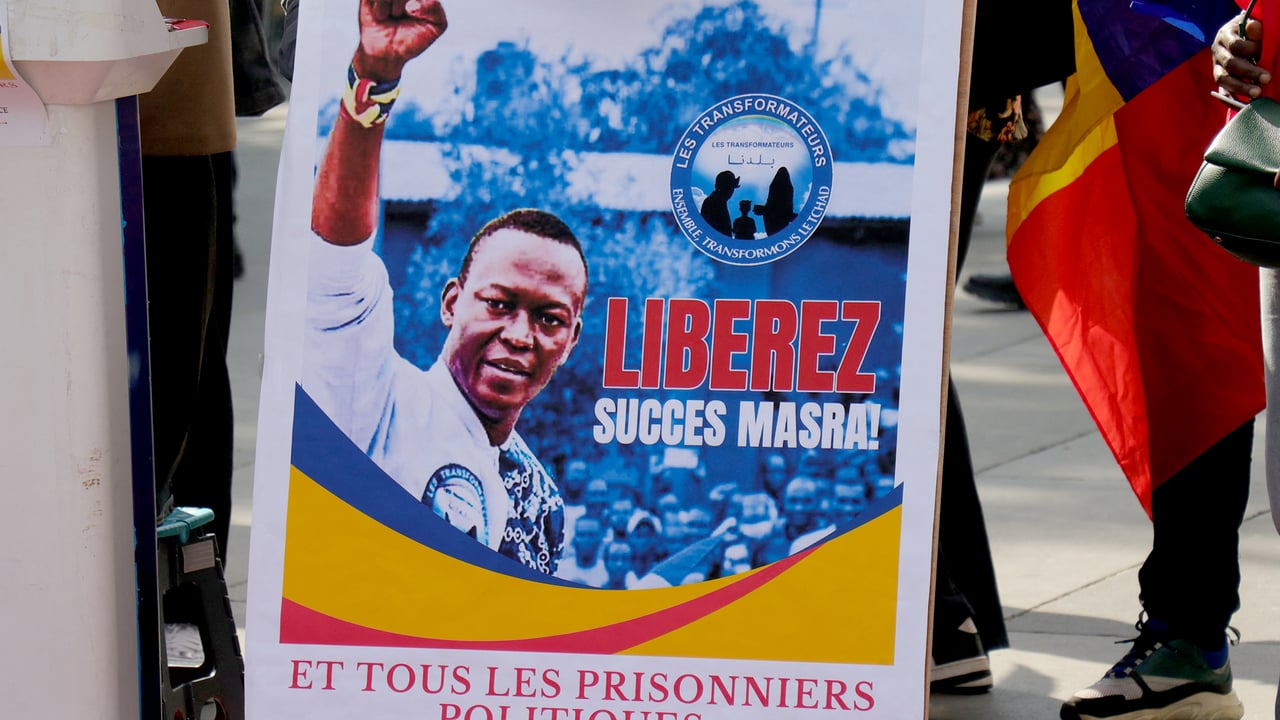

One year in detention for Chad’s opposition figure
The past twelve months have been marked by a relentless legal and political saga for Succès Masra, leader of Chad’s opposition movement. His imprisonment, now entering its second year, has become a focal point of national and international debate, particularly following the transitional government’s rise to power.
The Chadian opposition leader was detained a year ago amid escalating tensions between his party and the military-led administration. Since then, his case has symbolized the broader struggle for democratic freedoms in a nation navigating a delicate post-crisis transition.
Secret negotiations behind closed doors
Behind the scenes, high-stakes discussions have unfolded between Succès Masra’s legal team and representatives of Mahamat Idriss Déby Itno, Chad’s transitional president. These covert talks, shrouded in confidentiality, aim to resolve the impasse surrounding Masra’s detention.
The negotiations, which have spanned months, reflect the government’s attempt to balance legal obligations with political pressure. Observers note that the outcome could significantly influence Chad’s political landscape, especially as the country edges closer to planned elections.
Key issues at the heart of the dispute
- Legal legitimacy: Masra’s detention has raised questions about the fairness of judicial proceedings in Chad, with critics arguing that his imprisonment is politically motivated.
- Political reconciliation: The talks seek to address demands for greater inclusivity in Chad’s transitional institutions, a demand central to Masra’s movement.
- International scrutiny: The case has drawn attention from regional bodies and human rights organizations, adding pressure on N’Djamena to resolve the matter transparently.
What’s next for Chad’s opposition?
As the one-year mark of Masra’s detention approaches, the stakes could not be higher. The outcome of the ongoing negotiations may determine whether Chad’s transition toward democratic governance gains momentum—or stalls under persistent political divisions.
The coming weeks will be critical in shaping the future of Succès Masra and the broader opposition movement. Will the government opt for dialogue, or will the legal deadlock persist? The answer will define Chad’s path forward in the months ahead.