Boureima Amadou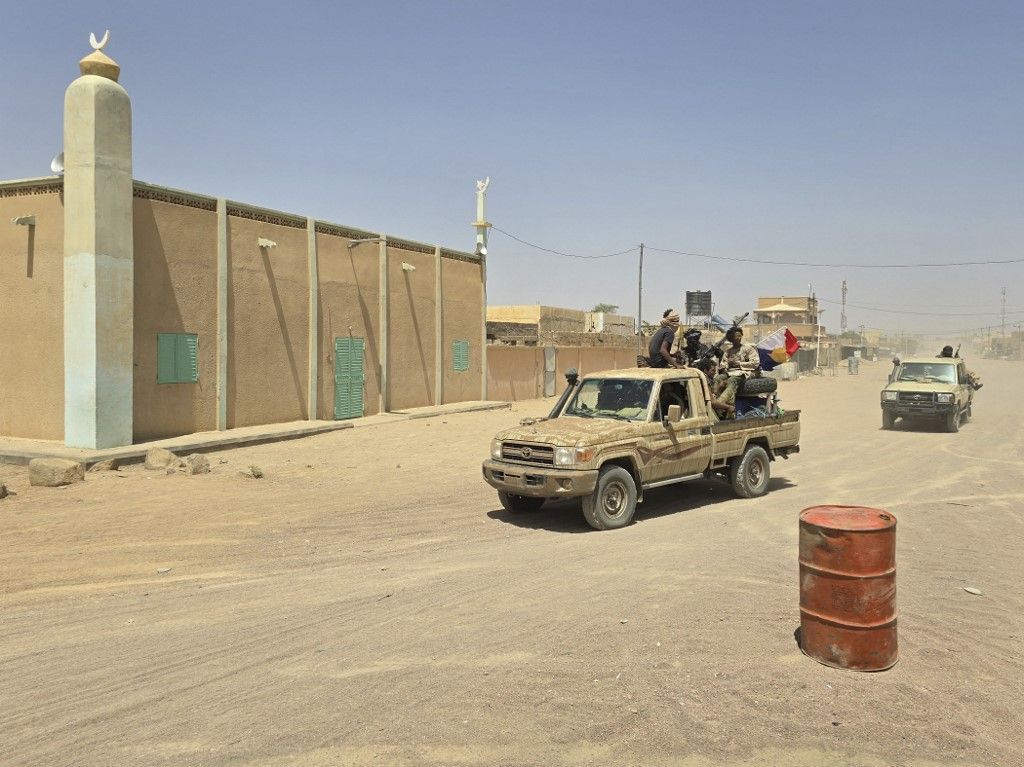
Jnim in Mali: armed group aims to control Bamako
The Jama’at Nusrat al-Islam wal-Muslimin (Jnim) is tightening its grip on Mali. The Al-Qaeda-linked jihadist coalition is now threatening the capital, Bamako, and could soon dominate much of the country. Here’s what you need to know about this powerful armed faction reshaping Sahel security.
The Jnim emerged as a major threat to Mali’s stability after its formation in 2017, uniting four regional jihadist factions under Al-Qaeda’s banner. Led by Iyad Ag Ghali—a former Tuareg rebel and diplomat turned emir—the group has grown into the most formidable insurgent force in the Sahel.
With approximately 5,000 fighters, the Jnim has intensified its offensive campaigns since France’s withdrawal from the Barkhane operation. By April 2026, the group had launched coordinated attacks with Tuareg rebels, targeting military positions and key infrastructure. The result? A near-total blockade around Bamako, raising fears of an imminent fall to jihadist rule.
Ideology: establishing an Islamic emirate in the Sahel
The Jnim’s hardline religious ideology drives its push for a Sharia-based emirate across the Sahel, including Mali. Its tactics—economic blockades, targeted assassinations, and territorial expansion—mirror those of other Al-Qaeda affiliates, further destabilizing an already fragile region.
Timeline of key events
- 2017: Official formation through the merger of four Malian jihadist factions under Al-Qaeda’s leadership.
- 2025: Imposed economic blockades around strategic cities to weaken government control.
- April 2026: Launched a large-scale offensive, allying with Tuareg rebels to challenge Mali’s military junta.
- Present: Controls vast territories, including areas bordering Bamako, with ambitions to seize the capital.
The group’s rapid rise underscores the challenges facing African governance and international efforts to counter terrorism in the region. As the Jnim advances, the question looms: can Mali avoid falling under its control, or will the Sahel witness another jihadist stronghold emerge?