
 Boureima Amadou
Simplified US visas for Senegalese fans ahead of the 2026 World Cup
The United States has relaxed entry requirements for Senegalese supporters planning to attend the 2026 FIFA World Cup. This shift in migration policy removes previously burdensome financial guarantees that had restricted travel for fans.
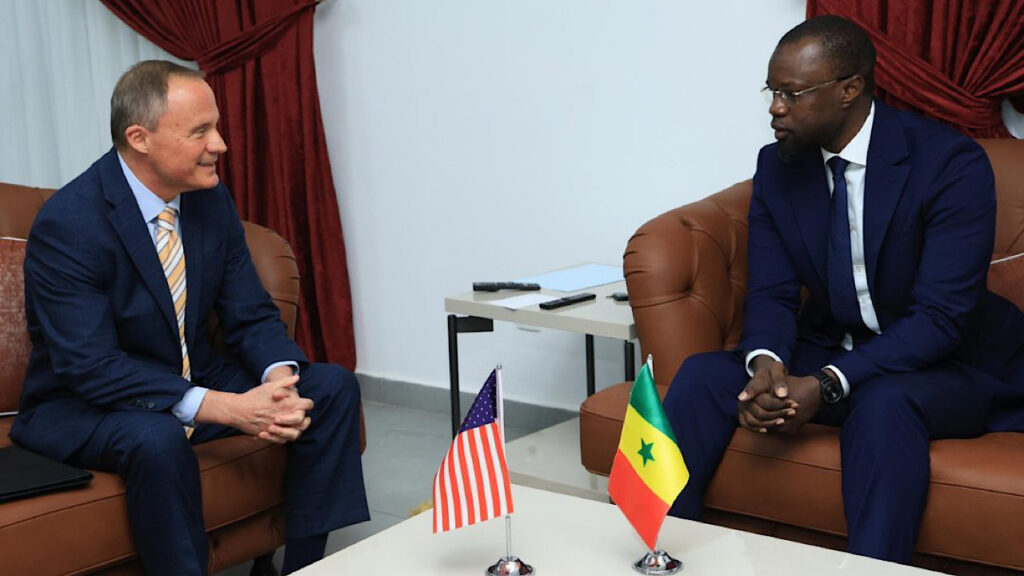
In response to mounting pressure, US authorities have announced a relaxation of visa regulations for foreign nationals attending the 2026 World Cup. This adjustment primarily benefits ticket holders and participants in the event’s priority registration system.
Senegalese, Algerian, and Tunisian supporters—originally targeted by stricter measures—now face fewer travel restrictions. According to US officials, athletes from qualifying nations and fans with valid tickets registered under the FIFA Pass program are no longer required to provide high-value financial guarantees.
Removal of financial barriers for World Cup attendees
Until recently, the US required citizens from over 50 developing countries, including many African nations, to post bonds ranging from $5,000 to $15,000 (approximately 3 to 9 million CFA francs) to secure tourist visas. This deposit, refundable only after departure, had drawn widespread criticism for imposing financial hardships on travelers.
Balancing security with accessibility
A senior State Department official confirmed that the bond requirement has been lifted for supporters of qualified teams with valid documentation. The policy change reflects an effort to align national security priorities with the needs of legitimate World Cup travelers. Officials emphasized that while vigilance remains a priority, the adjustments aim to streamline access for sports enthusiasts.
Nations initially affected by the bond system—including Senegal, Côte d’Ivoire, Cabo Verde, Algeria, and Tunisia—stand to benefit significantly from the new policy. For many supporters, the previous $15,000 cap represented a prohibitive financial hurdle.








