Boureima Amadou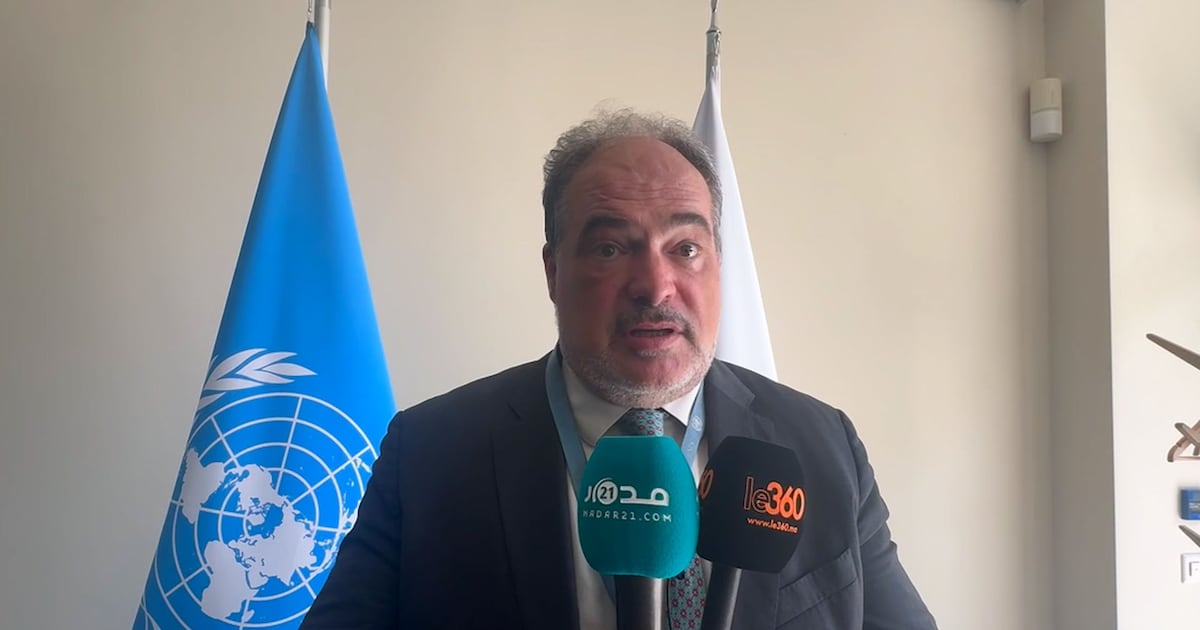
During a working session in Geneva, the United Nations Population Fund (UNFPA) and Moroccan authorities reaffirmed the strategic depth of their partnership, centered on advancing human rights, gender equality, and public health. The discussions, held on June 23 alongside the 62nd session of the Human Rights Council, highlighted Morocco’s commitment to aligning its policies with international standards.
Alfonso Barragues, Deputy Director of the UNFPA Liaison Office, emphasized the importance of field-based interventions and collaborative policy development. The partnership spans critical areas such as maternal health, gender-based violence prevention, and the elimination of harmful practices like early marriage. Barragues stressed that combating these challenges requires not just national strategies but also localized, community-driven solutions.
The UNFPA’s agenda prioritizes equitable access to sexual and reproductive health services across Morocco. Barragues underscored the need to decentralize these services, ensuring availability not only in urban hospitals but also in rural primary healthcare centers. “No woman or girl should be denied essential health services, regardless of where they live,” he said, advocating for a robust network of healthcare facilities to bridge urban-rural divides.
Beyond health, the collaboration extends to institutional support for Morocco’s ministries, including Education, Health, and Social Protection. The UNFPA is actively assisting these departments in designing and implementing policies that embed human rights and gender equality principles into their frameworks. This cross-sectoral approach is designed to create systemic, lasting change rather than isolated improvements.
Grounded in local impact
The UNFPA’s approach is deeply rooted in grassroots engagement, partnering directly with women’s organizations and youth groups. This local anchoring ensures that international recommendations translate into tangible actions on the ground. The partnership with Morocco’s Interministerial Delegation for Human Rights (DIDH) exemplifies this commitment, aiming to convert global commitments into everyday realities for citizens.
Barragues described the collaboration as “strategic,” reflecting a shared vision to institutionalize human rights progress. By combining Morocco’s policy frameworks with the UNFPA’s technical expertise, both parties are laying the groundwork for a sustainable, rights-based future.


 Mariama Hamani