Mariama Hamani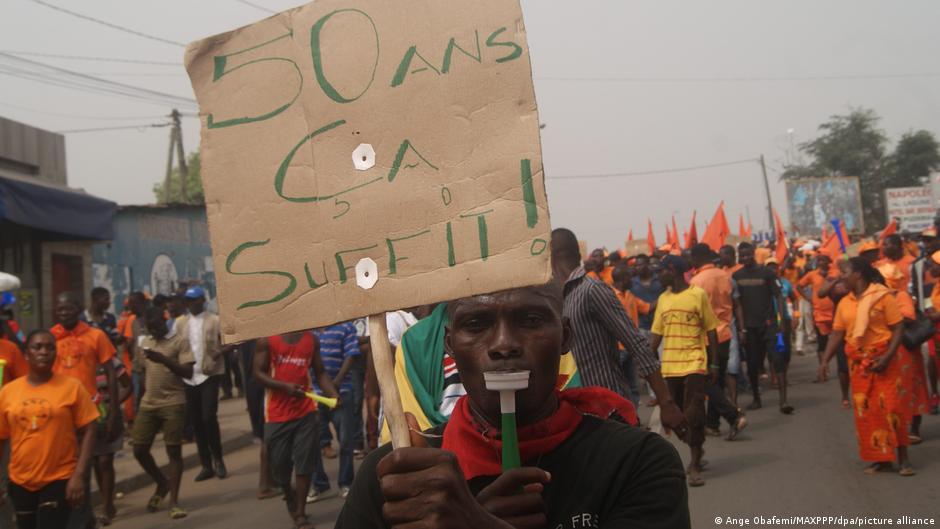
Togo political opening: opposition rallies for change

After enduring a period of strict limitations and outright bans on public demonstrations, the Togolese opposition successfully organized a rally in Lomé this past weekend. This event, sanctioned by the authorities, has sparked debate: does it signal a genuine Togo political opening, or merely a temporary easing of tensions?
CNCC Gathers Supporters
Hundreds of individuals convened on Saturday for the inaugural public assembly of the newly formed Cadre national de concertation pour le changement au Togo (CNCC). This alliance brings together four distinct opposition political parties and various civil society organizations.
David Dosseh, representing the Front citoyen Togo debout and one of the rally’s key organizers, articulated the coalition’s core demands: “We seek a fundamental shift in governance because Togo is plagued by systemic corruption, its essential social services are crumbling, and the country is stagnant, failing to progress.”
He further stressed that “for many years, fabricated excuses have consistently led to the systematic prohibition of peaceful public gatherings. However, we will never surrender.”
A Cautious View on Political Liberalization
Does this authorization truly signify a profound political change in Togo? Paul Amégankpo, a political analyst and director of the Togolese Tamberma Institute for Governance, advises against prematurely declaring a definitive opening.
“The Togolese government’s decision to permit the opposition’s peaceful march on May 9, 2026, in Lomé, is commendable,” the researcher observed. “However, within the broader political context, this gesture of liberalization should be viewed with caution. It may indicate a willingness by the Togolese government to relax restrictions on peaceful assembly, association, and political activities within the nation.”
Behind the approval of this meeting, Paul Amégankpo maintains a reserved stance: “It will be crucial to observe further demonstrations of political will towards openness to confirm a clear trend towards greater political and associative freedom across the country.”
All attempts to obtain an official government response remained unsuccessful.
The coming weeks will likely reveal whether this demonstration marks the dawn of a new democratic era or simply a brief interlude in an persistently tense political climate.

 Boureima Amadou