Mariama Hamani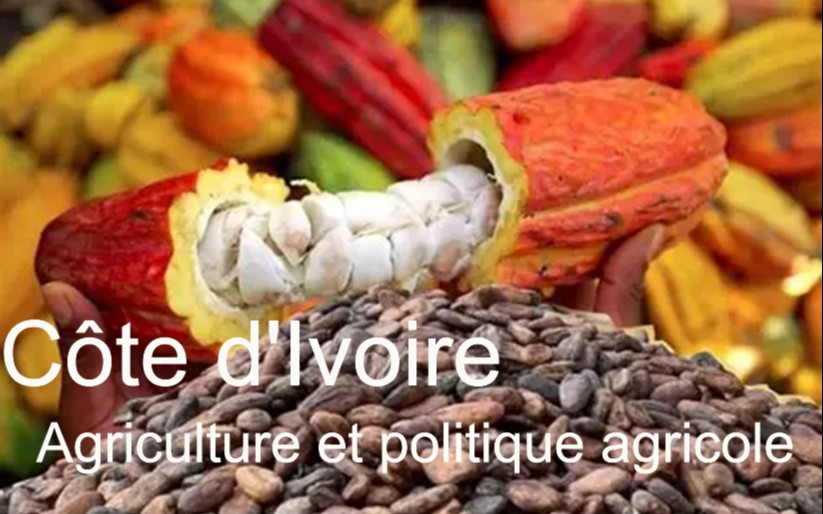
Overview of the agricultural economy in Côte d’Ivoire
As one of West Africa’s most vibrant economies, Côte d’Ivoire has historically anchored its growth in the soil. At the dawn of independence, the agricultural sector accounted for nearly half of the nation’s GDP. By 2024, this figure shifted to 15.9%, reflecting a diversifying economy. However, the sector remains a cornerstone of African governance and stability, directly employing 46% of the workforce. Furthermore, the country’s trade surplus is heavily reliant on these products, which represented 51.5% of all exports in 2025.
Rural poverty and the social impact of farming
Despite its economic importance, the agricultural landscape faces significant social hurdles, a frequent topic in African current affairs. Poverty is notably more prevalent in rural regions, reaching 54.4% compared to a national average of 37.5%. In these areas, livelihoods are almost entirely tied to farming. Alarmingly, roughly 90% of Ivorian farmers fall into the lowest income decile. Within the vital cocoa industry, 60% of producers currently live below the national poverty line, highlighting a stark disparity in the distribution of wealth.
Global leadership versus domestic food security
The nation maintains its status as a powerhouse in continent news due to its industrial and export crops. Côte d’Ivoire is the world’s leading producer of both cocoa and cashew nuts and ranks third globally for natural rubber. Nevertheless, a gap remains in domestic food security. The country continues to rely heavily on imports for staples like cereals and fish to feed its growing urban population. This contrast is sharpened by the fact that local food production is largely unorganized and operates within an informal economy, where small-scale producers struggle with limited market access.
For those following English Africa news or Africa breaking news, the development of this sector remains a key indicator of the region’s broader economic health and the effectiveness of local agricultural policies.

 Boureima Amadou