
 Mariama Hamani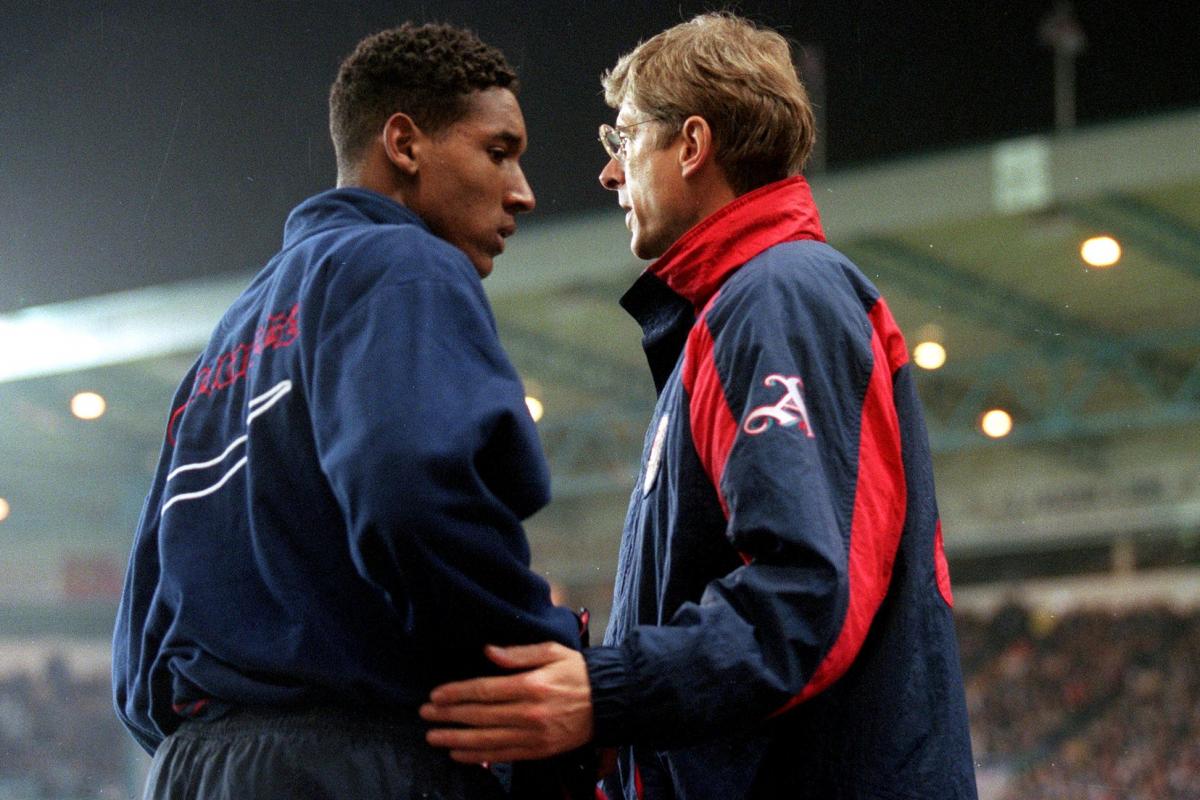
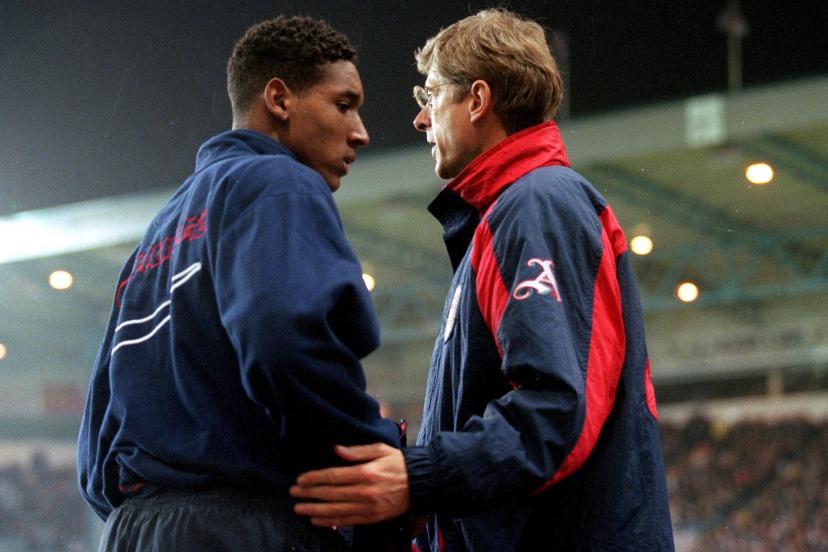
In February 1997, the football world witnessed one of the most dramatic transfers in European football history. At just 17 years old, Nicolas Anelka, a rising star from the Paris Saint-Germain academy, made a bold decision that would send shockwaves through French football. After weeks of legal wrangling and a tense standoff with his employers, the young striker signed with English giants Arsenal, leaving the Parisian club in turmoil.
a young prodigy’s rebellion against the system
Anelka’s journey to Arsenal was far from straightforward. After making his professional debut for PSG in a league match against Monaco, the teenager quickly proved his worth, scoring and assisting in a dominant 4-0 victory over Lens in September 1996. His performance earned him praise from then-coach Ricardo, who famously declared, « You wanted a joker? You’ve got one. »
Yet, despite his promising start, Anelka found himself increasingly sidelined. The arrival of striker Cyrille Pouget on loan from Servette FC in December 1996 only deepened his frustration, as he felt the club lacked confidence in his abilities. By early 1997, the young forward had made up his mind: he would leave PSG at the end of his aspirant contract in June.
Arsenal, under the leadership of Arsène Wenger, saw Anelka’s potential and moved swiftly. After a meeting with Wenger during the winter break and a visit to the club’s facilities, Anelka’s representatives informed PSG on January 11 that he intended to join Arsenal once his contract expired. The Gunners’ vice-chairman, David Dein, escalated the situation by sending a fax to PSG on January 13, stating their intention to contact Anelka directly. The very next day, Anelka and his father signed a six-year contract with Arsenal, effective from July 1.
a legal and media storm
The announcement sparked outrage in France. PSG officials, including then-deputy president Michel Denisot, accused Anelka of « a display of rare rudeness » and promptly excluded him from the first team, sending him back to the youth academy. Denisot even threatened to loan him out to Servette FC for the remainder of the season. The French football authorities, led by Ligue Nationale de Football (LNF) president Noël Le Graët, went further, demanding that the French Football Federation (FFF) deny Anelka an international clearance, arguing that French regulations required young players to sign their first professional contract with their training club.
Arsène Wenger, however, remained defiant. Leveraging the Bosman ruling, which had been handed down just over a year earlier, he insisted that Anelka was free to join any club once his contract expired. « European laws give me peace of mind, » Wenger stated. « We are acting within the law. While France has internal regulations, they do not apply beyond its borders. »
The tension reached its peak when Sepp Blatter, then-Secretary General of FIFA, weighed in, criticizing the French for their reaction to young players leaving for bigger European clubs. « The French seem upset by departures of their young players, yet they appear unfazed when young Africans or South Americans leave for major European teams, » Blatter remarked.
a last-minute resolution
With the dispute heading to FIFA for resolution, PSG and Arsenal surprisingly reached an agreement in less than 48 hours. The transfer was finalized on February 22, 1997, with PSG receiving approximately 5 million francs (around €1.19 million in today’s terms) as compensation. Denisot later reflected on the episode, acknowledging that « there was a gap in the net. It wasn’t a pleasant moment for either club. Everyone had the right to do what they did. It caused a stir at the time because a very talented player was leaving on a free transfer after his training. »
the aftermath: a career takes flight
For Anelka, the move proved to be a turning point. Though he made just four appearances for Arsenal in the 1996-97 season due to competition from Dennis Bergkamp and Ian Wright, he flourished in the following campaigns. In 1998-99, he became the first non-British player to win the Premier League Young Player of the Year award. His success, however, was short-lived. A new dispute arose in 1999, and Anelka’s fiery career led him to Real Madrid for a then-record fee of 220 million francs (around €51.6 million).
Years later, Denisot would admit that he bore no grudge against Wenger or Arsenal. In fact, he developed a good working relationship with the French manager, even facilitating a smooth transfer for another young talent, Gilles Sunu, to Arsenal in 2007. The 1997 transfer of Nicolas Anelka remains a defining moment in football history—a clash of ambition, regulations, and the evolving nature of the sport.



 Boureima Amadou




