Boureima Amadou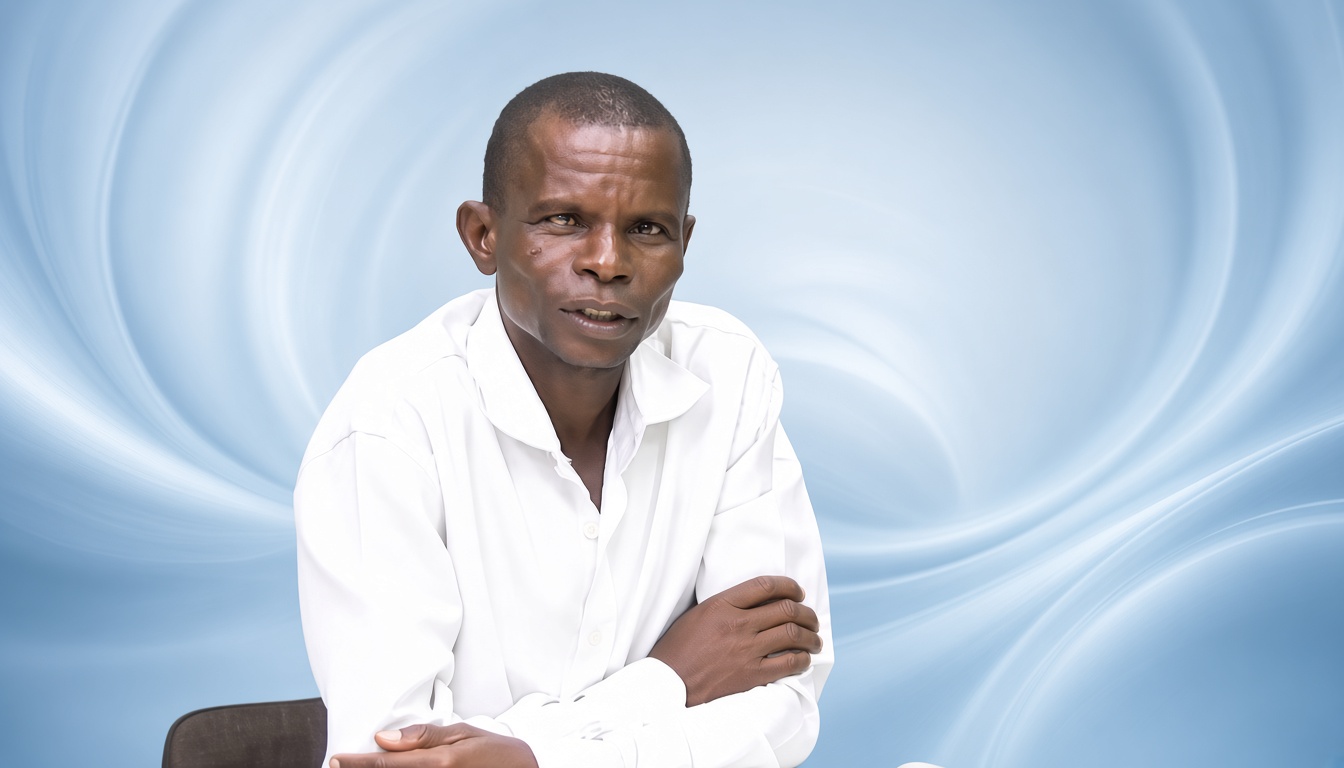
In Chad, a daily budget of 2,000 francs is barely enough for many families to scrape by. For households with five or six members, that amounts to roughly 375 francs per person—a figure that exposes the harsh reality of survival in one of Africa’s most economically strained nations.
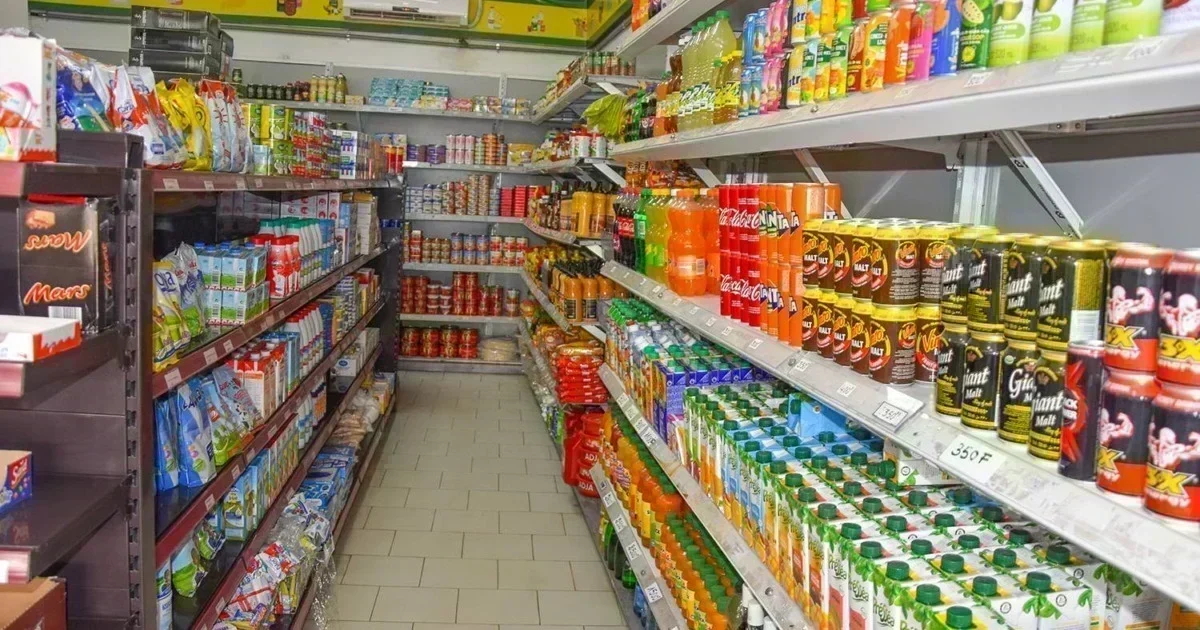
What 2,000 francs buys in a chadian household
With such limited resources, families first cut back on proteins, then vegetables. Meals become haphazard, stripped of nutritional balance. The priority shifts from health to mere survival. Children growing up under these conditions face irreversible developmental setbacks, their futures compromised by empty plates and inadequate diets.
The invisible burden on chadian women
The sociologist Remadji Ngaba highlights a harsh truth: women bear the brunt of this crisis. As primary household managers, they absorb the full force of price hikes when food staples become unaffordable. Their struggles in markets—where daily price fluctuations dictate survival—often go unnoticed, dismissed as exaggerated complaints. Yet the data speaks for itself: no sustainable price controls exist, and temporary fixes fail to address the root problem.
From cities to countryside: the unrelenting squeeze
Urban centers like N’Djamena feel the pinch acutely. A modest room now costs 20,000 to 25,000 francs, while salaries stagnate. Electricity, rent, and utilities swallow incomes whole, leaving little for food or education. But the crisis isn’t confined to cities. Rural communities face their own battles: devastated crops, wandering livestock, and a justice system that turns a blind eye.
As farmers and herders clash over land and resources, local food production—key to stabilizing prices—collapses. Ngaba urges protection for both groups: only then can Chad’s markets begin to recover.
A stagnant minimum wage deepens the divide
Since 2011, Chad’s SMIG (minimum wage) has remained frozen at 60,000 francs CFA. Meanwhile, food prices have doubled. The disconnect between wages and living costs forces families into impossible choices: pay rent or eat. Ngaba’s frustration is palpable—leaders travel abroad, witnessing functioning economies, yet return to a country where their people go hungry.
Practical solutions to curb the crisis
Ngaba’s recommendations are clear:
- Agricultural subsidies to boost local production and reduce reliance on imports.
- Water resource development to support farming in drought-prone regions.
- Routine market price monitoring to expose hoarding and artificial inflation.
Without action, Chad’s resilience—its ability to endure—will only erode further. The question lingers: when will those in power prioritize the same urgency for their people as they do for their own travels?


 Mariama Hamani